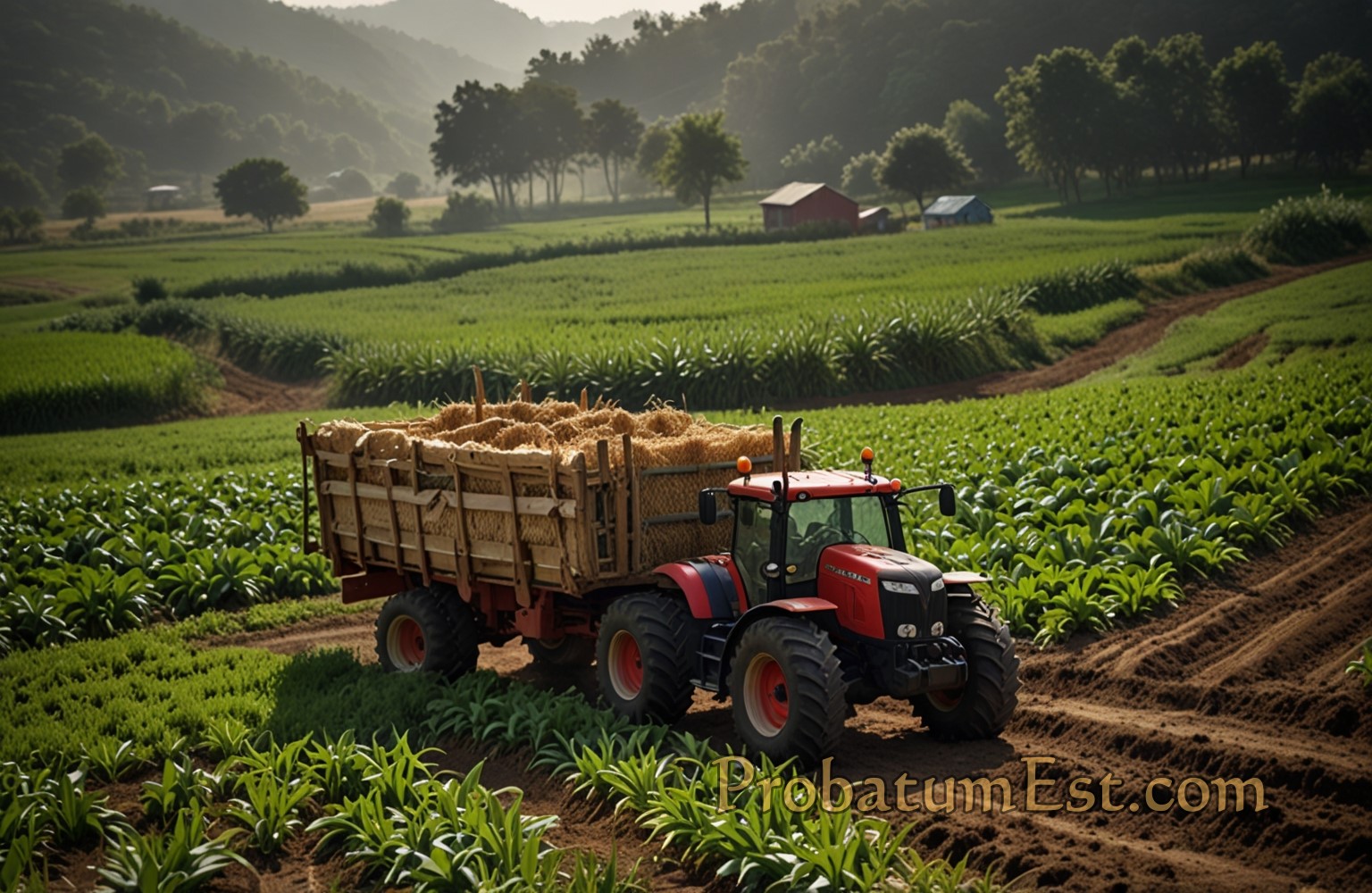
Agriculture, the backbone of human civilization, plays an essential role in providing food, fiber, and fuel. As the population grows, the demand for agricultural products increases, pressing onto ecosystems and their delicate balance. Understanding agriculture through an ecological lens allows us to explore how farming practices impact and interact with natural ecosystems. This approach is crucial for developing sustainable agricultural practices that ensure food security while preserving the environment.
Agricultural Practices and Ecosystems
Agriculture has evolved over millennia, with methods ranging from traditional practices to modern industrial farming. This evolution often reflects the technological advancements and the changing needs of human societies. However, these practices have a significant impact on ecosystems:
- Land Transformation: Agriculture is the largest driver of deforestation and land conversion, impacting biodiversity through habitat destruction. Forests and grasslands are often cleared to make way for crops and pasture, disrupting local ecosystems and reducing species richness.
- Water Usage: Irrigation, essential for growing crops, is the largest consumer of freshwater resources globally. Inefficient water use can lead to depletion of water bodies and aquifers, affecting aquatic ecosystems and communities dependent on these water sources.
- Soil Degradation: Intensive farming methods, such as monoculture and heavy use of chemical fertilizers, degrade soil health. This affects its structure and fertility, leading to erosion, nutrient depletion, and diminished agricultural productivity.
- Pollution: The use of pesticides and fertilizers has increased agricultural yield but often results in chemical runoff, polluting waterways, and impacting aquatic life. Moreover, these chemicals can lead to the development of resistant pests, posing further challenges to agriculture.
- Climate Change: Agriculture contributes significantly to greenhouse gas emissions through activities like rice production, livestock farming, and deforestation. Methane from cattle and nitrous oxide from fertilizers are potent greenhouse gases potentially exacerbating alleged climate change.
Ecologically Sustainable Agriculture
To mitigate the negative impacts of agriculture on ecosystems, ecologically sustainable practices are necessary. These methods strive to balance productivity and ecological health:
- Agroecology: This holistic approach integrates ecological principles into farming practices. It emphasizes diversity, cycling of resources, synergy, and a deep understanding of local ecosystems. For instance, intercropping and agroforestry systems mimic natural ecosystems, enhancing biodiversity and reducing pest outbreaks.
- Organic Farming: By avoiding synthetic fertilizers and pesticides, organic farming supports healthier ecosystems and soil biota. Organic methods often use natural pest management strategies and crop rotations to maintain soil fertility and productivity.
- Regenerative Agriculture: This approach aims to restore soil health through practices such as cover cropping, reduced tillage, and rotational grazing. By improving soil organic matter and biodiversity, regenerative agriculture increases resilience to climate change and enhances carbon sequestration.
- Precision Agriculture: Using technology like satellite imagery and AI, precision farming optimizes inputs to minimize waste and environmental impact. This approach can precisely apply water, seeds, and fertilizers, reducing runoff and resource use.
- Permaculture: Based on sustainable and self-sufficient ecosystems, permaculture designs agricultural landscapes that harmonize with natural systems, promoting biodiversity and resilience.
Case Studies in Ecologically Sustainable Agriculture
Numerous examples worldwide illustrate the successful integration of ecological principles in agriculture:
- Sustainable Rice Intensification (SRI): In regions like Asia and Africa, SRI enhances rice productivity while reducing water usage and chemical dependency, supporting both farmers’ livelihoods and the environment.
- Silvopasture in South America: This agroforestry system integrates trees and livestock grazing, improving biodiversity, carbon sequestration, and productivity.
- Organic Farming in Europe: Countries like Germany and Austria have championed organic farming, fostering ecological balance and reducing chemical use in agriculture.
Policies and Global Initiatives
For sustainable agriculture to become mainstream, supportive policies and global initiatives are crucial:
- Subsidies for Sustainable Practices: Redirecting subsidies towards sustainable farming practices can encourage farmers to adopt ecologically friendly methods.
- Research and Development: Investment in agricultural research supports the development of new technologies and practices that enhance sustainability.
- Education and Training: Educating farmers on sustainable practices helps facilitate a transition towards more ecologically sensitive agriculture.
- Global Agreements: Initiatives such as the United Nations Sustainable Development Goals (SDGs) emphasize sustainable agriculture, promoting international cooperation and commitment to ecological sustainability.
Conclusion
Understanding agriculture through an ecological lens provides insights into how traditional practices can evolve into sustainable systems. By adopting ecologically sustainable methods, we can ensure that agriculture not only meets human needs but also preserves the environment for future generations. The path forward requires collaboration between farmers, scientists, policymakers, and consumers, united in the goal of cultivating a sustainable future.




Leave a Reply