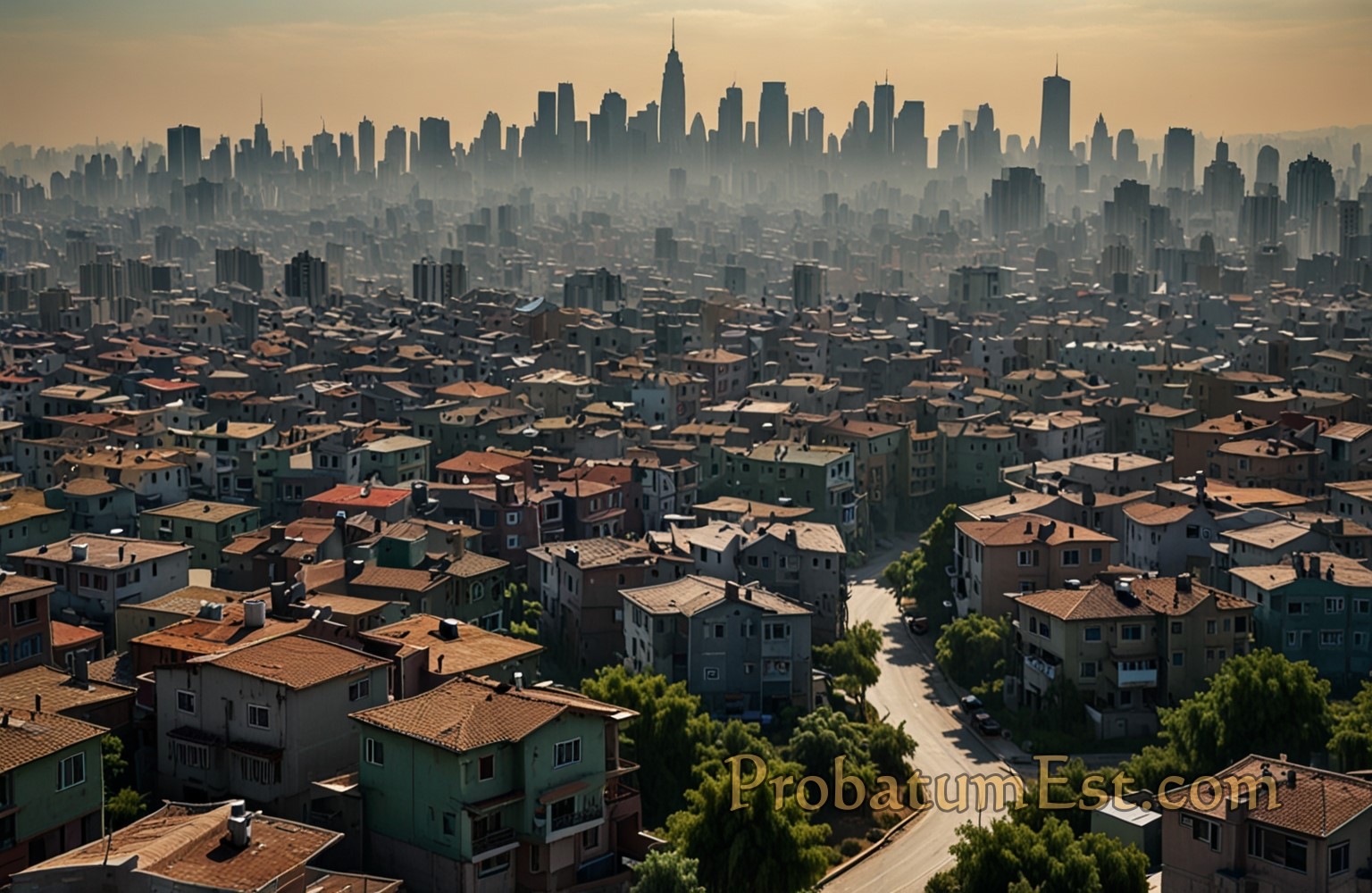
Urbanization is an omnipresent phenomenon reflecting the dynamic growth and expansion of urban areas at the expense of rural landscapes. Born out of the industrial revolutions, urbanization continues to reshape the global landscape, bringing with it an array of socioeconomic, cultural, environmental, and political transformations. As we progress further into the 21st century, urban areas have become hubs of innovation, centers of economic growth, and melting pots of cultures. However, the rapid, and often unplanned, growth associated with urbanization brings significant challenges that necessitate comprehensive planning and sustainable solutions.
1. Historical Context of Urbanization
Historically, the seeds of urbanization were sown during the onset of the first industrial revolution in the 18th century with mechanization of agriculture and the rise of factory-based industries. This shift led to a mass migration from rural areas to cities in search of job opportunities and improved living standards. Over time, subsequent waves of industrialization, technological advancements, and globalization have further accelerated urban growth. The evolution of urban landscapes from medieval trading posts to industrial powerhouses and eventually to global financial centers highlights distinct phases of urban development.
2. The Scale of Urbanization
Today, urbanization is a global phenomenon. According to the United Nations, more than 55% of the world’s population resides in urban areas, a number expected to increase to 68% by 2050. This urban population surge is most pronounced in Asia and Africa, where cities are expanding at unprecedented rates. Mega-cities, characterized by populations exceeding ten million, are becoming more common, with cities like Tokyo, Delhi, and Shanghai leading the way.
3. Drivers of Urbanization
Several key drivers contribute to urbanization:
- Economic Opportunities: Cities offer abundant employment prospects and a diverse job market, attracting people in search of better livelihoods.
- Education and Healthcare: Urban areas typically provide superior access to educational institutions and healthcare facilities.
- Infrastructure and Services: Enhanced infrastructure, such as transportation and housing, along with amenities like electricity and internet connectivity, make urban living attractive.
- Social and Cultural Appeal: Cities offer cultural diversity, lifestyle improvements, and recreational opportunities, drawing people seeking vibrant social experiences.
4. Socioeconomic Impacts
Urbanization drives economic growth by enabling economies of scale and fostering innovation. Cities serve as engines of economic development, contributing significantly to national GDPs. However, rapid urbanization also exacerbates income inequality and often leads to the proliferation of informal settlements. Disparities in access to resources and services between rich and poor city dwellers can manifest in social tensions and unrest.
5. Environmental Consequences
The environmental footprint of urbanization is considerable. The concentration of human activities leads to increased pollution, waste generation, and depletion of resources such as water and land. Urban areas contribute significantly to greenhouse gas emissions, potentially exacerbating alleged climate change. Loss of green spaces and biodiversity further highlights the environmental costs. On the flip side, urbanization presents opportunities for implementing sustainable practices, such as green buildings, efficient public transit, and renewable energy initiatives.
6. Challenges of Urbanization
Cities face numerous challenges due to rapid urbanization:
- Infrastructure Strain: Insufficient infrastructure can lead to traffic congestion, inadequate housing, and overburdened public services.
- Social Inequality: Marginalized communities often experience limited access to essential services, leading to social polarization.
- Health Issues: Urban areas are prone to pollution-related health problems, communicable diseases, and lifestyle-related chronic conditions.
- Governance and Planning: Effective urban planning and governance are crucial to manage growth sustainably and equitably.
7. Urban Planning and Sustainable Development
To address the multifaceted challenges of urbanization, comprehensive urban planning and sustainable development practices are essential. Strategies include:
- Smart Cities: Leveraging technology to enhance urban life through data-driven decisions and innovative solutions.
- Sustainable Transport: Promoting public transit, cycling, and walking to reduce carbon footprints.
- Affordable Housing: Ensuring inclusive housing policies to minimize slums and informal settlements.
- Environmental Resilience: Integrating green spaces and sustainable practices to mitigate climate impacts.
8. The Future of Urbanization
The future trajectory of urbanization is expected to be shaped by advancements in technology, changing demographics, and evolving social dynamics. Concepts like urban resilience, climate adaptation, and the circular economy will take center stage in shaping sustainable urban futures. Moreover, inclusive urban policies will strive to bridge socioeconomic gaps and promote equitable growth.
Conclusion
Urbanization remains a defining feature of contemporary society, embodying both the potential for prosperity and the risk of deepening vulnerabilities. As urban populations continue to swell, the responsibility falls on governments, urban planners, and communities to harness urbanization for sustainable progress. By addressing its inherent challenges and grasping its opportunities, urbanization can drive innovation, economic vitality, and social equity in an increasingly urban world.




Leave a Reply