
Mixed Forests, often referred to as mixed deciduous-coniferous forests, represent a dynamic blend of tree species that combine elements of both deciduous and coniferous ecosystems. These forests are known for their diversity in flora and fauna, multilayered canopies, and complex ecological processes. Whether found in temperate regions of North America, Europe, or portions of Asia, mixed forests provide invaluable resources and habitats. They also hold historical and cultural significance for communities worldwide, offering a window into the interplay between humans and the natural environment.
Defining Mixed Forests
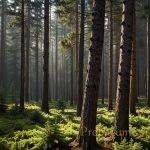
A mixed forest typically features a relatively balanced mix of deciduous hardwoods (such as oaks, maples, birches, and beeches) and coniferous evergreens (including pines, firs, spruces, and hemlocks). This blend of tree communities creates a dynamic canopy structure, with each group of species contributing unique adaptations and ecological services. According to global forestry assessments by reputable organizations like the Food and Agriculture Organization (FAO), mixed forests occupy a considerable share of forested lands, highlighting their global importance.
Key Geographic Regions
- North America: Extensive mixed forests stretch across parts of the northeastern United States and southeastern Canada. One noteworthy area is the Great Lakes–St. Lawrence region, where coniferous species (e.g., red pine, white pine, and spruce) blend seamlessly with deciduous species (e.g., sugar maple, American beech, and yellow birch).
- Europe: In various parts of central and eastern Europe, mixed forests thrive. The Carpathian Mountains are an example where deciduous beeches and oaks intermingle with firs and spruces, creating a vibrant woodland tapestry.
- Asia: The temperate belts of East Asia also support extensive regions of mixed forests. Regions in China, Japan, and Korea, for instance, host both temperate deciduous trees and conifers, distributing resources and habitats for numerous wildlife species.
Climate and Soils
Mixed forests generally occur in zones with moderate climates and distinct seasonal changes. Typical conditions involve warm summers, relatively cold winters, and a well-distributed annual precipitation — a factor that supports both evergreen and deciduous species.
- Precipitation: Mixed forests can thrive in regions with rainfall ranging from about 600 mm to over 1,200 mm (24–47 inches) per year, ensuring soils maintain moisture while also preventing waterlogging.
- Soil Types: Soils under mixed forests are often moderately fertile, well-draining, and rich in organic matter. The interplay of leaf litter from deciduous trees and needles from coniferous trees helps create a diverse nutrient profile within the soil.
Vegetation Layers and Biodiversity
One of the defining characteristics of mixed forests is their stratified vegetation structure:
- Canopy: This upper layer is predominantly composed of mature conifers and tall deciduous trees. The canopy hosts a range of bird species and provides shade that influences the lower layers.
- Understory: Medium-height shrubs, saplings, and smaller trees create an intermediate layer that benefits from gaps in the canopy’s coverage.
- Shrub and Herb Layer: Close to the forest floor, shrubs, ferns, and herbs flourish in dappled sunlight, sustaining smaller mammals and insects.
- Forest Floor: Organic matter (e.g., leaf litter, fallen needles, and decaying wood) nurtures countless decomposers and fungi.
Because of the synergy between deciduous and coniferous species, mixed forests often harbor a wide array of wildlife. For instance, deer, black bears, foxes, small mammals like chipmunks and squirrels, and numerous bird species find suitable habitats in mixed forests across North America and Eurasia. A study published in the journal Forest Ecology and Management highlighted that the diverse structure of mixed forests offers multiple niches, resulting in greater faunal variety compared to predominantly single-species stands.
Ecological Functions and Services
Mixed forests deliver a host of essential ecosystem services, including:
- Habitat and Biodiversity: Their layered structure supports an extensive range of flora and fauna, fostering genetic diversity and ecological resilience.
- Soil Stabilization: The interplay of different root systems — from broad, shallow roots of deciduous trees to the deep-reaching roots of conifers — helps anchor soil and reduce erosion.
- Watershed Protection: Mixed forests can regulate water flow, reduce the effects of flooding, and maintain water quality in surrounding regions.
- Air Purification: Trees help filter airborne particles and replenish oxygen.
- Recreation and Economic Value: Mixed forests are favored locations for hiking, wildlife observation, and sustainable timber harvesting.
Human Interaction and Historical Context
Human communities have been drawn to the resources of mixed forests for centuries. Some indigenous groups in North America established seasonal hunting camps in transitional zones between coniferous and deciduous areas, taking advantage of abundant wildlife. European communities historically relied on mixed forests for building materials, firewood, and foraging.
Anecdotal Example: The North Woods of New England and Eastern Canada
An illustrative case study is the North Woods, spanning parts of New England in the United States and Quebec in Canada. Here, sugar maple and yellow birch coexist with coniferous species like balsam fir and red spruce. Local residents often describe these forests as “natural superstores,” where they gather firewood, collect wild mushrooms, and observe wildlife habitat — underscoring the cultural and economic importance of mixed forests.
Conservation and Management
While mixed forests remain relatively widespread, sustainable forest management is essential to preserve long-term ecological integrity. Foresters and environmental researchers often recommend responsible harvesting techniques:
- Selective Harvesting: Rather than clear-cutting, selective harvesting helps maintain the structural diversity and resilience of mixed forests.
- Reforestation with Native Species: Planting native coniferous and deciduous species ensures the forest retains its mixed character and diversity.
- Monitoring Invasive Species: Regular monitoring and swift action against invasive pests and plants help protect endemic flora and fauna.
Expert Opinions
In a global forestry review, experts from the FAO have pointed out that mixed forests, given their complexity and resilience, can offer greater stability compared to monoculture stands. Studies published in journals such as Biodiversity and Conservation emphasize that diverse forests can better adapt to various environmental conditions, underscoring the need to protect mixed forest ecosystems for the benefit of both nature and society.
Conclusion
Mixed forests stand as remarkable biomes where deciduous hardwoods blend harmoniously with conifers, creating visually striking landscapes and ecologically rich environments. Their layered canopies, diverse species composition, and capacity to provide vital ecosystem services underscore their global relevance. Through careful conservation efforts, sustainable management practices, and ongoing research, these forests can continue to thrive. They will remain refuges for biodiversity and vital resources for the communities that depend on their myriad benefits.



Leave a Reply