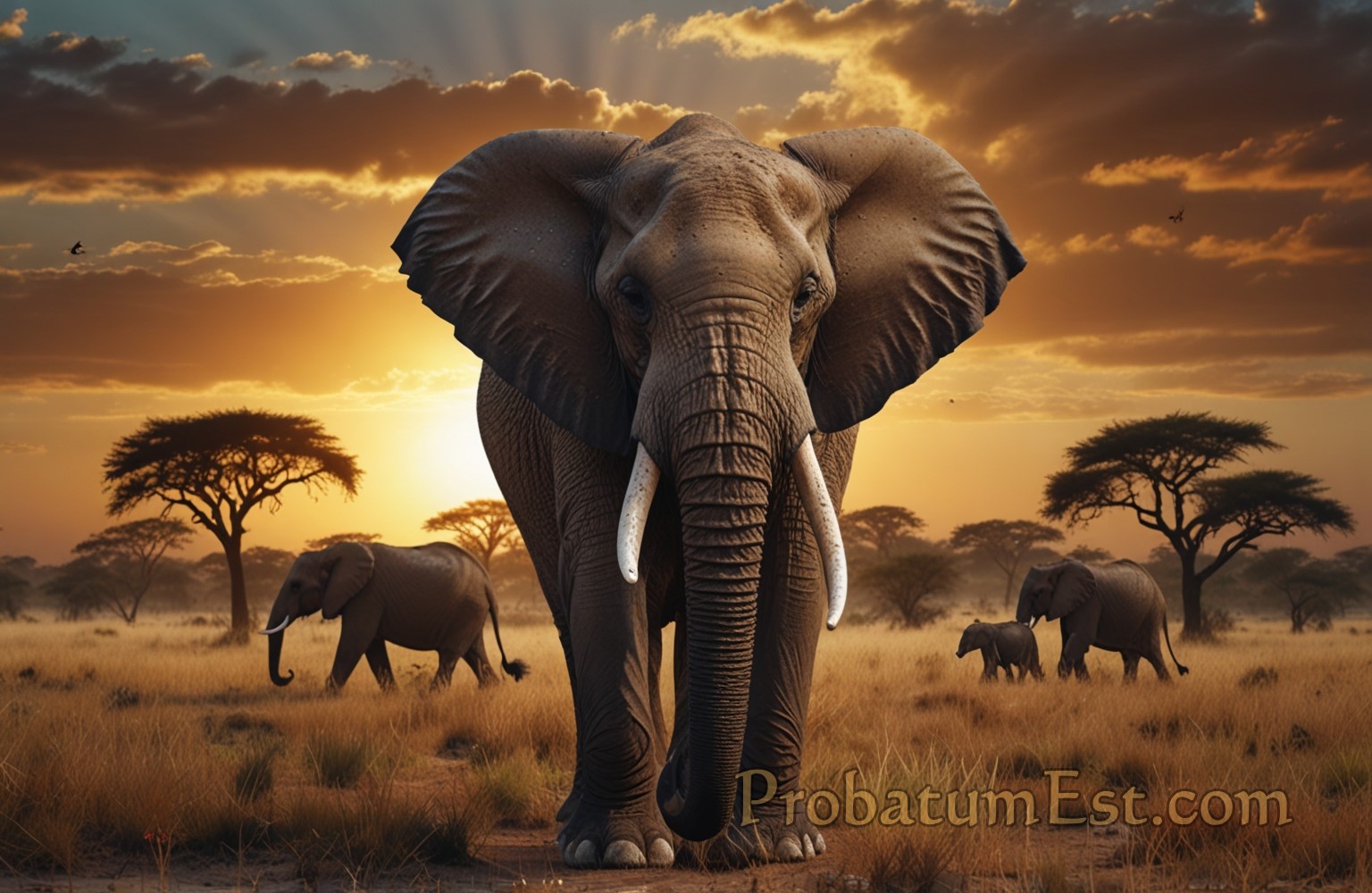
Fauna, a term derived from Roman mythology referring to the goddess who was the protector of the countryside, embodies the diverse array of animal life that inhabits our planet. In the realm of ecology, fauna represents an essential pillar of ecosystems, contributing to the biological wealth and environmental balance across various habitats. This article will explore in depth the concept of fauna, its ecological roles, evolutionary history, interactions with humans, and the pressing challenges it faces in the modern world.
Defining Fauna
Fauna encompasses all animal life forms present in a particular region, habitat, or time. Unlike the term ‘wildlife,’ which often excludes domesticated species, fauna includes all animals, from the tiniest insects to the largest mammals. Ecologically, it is divided into categories based on habitats such as terrestrial, avian, aquatic, and more specifically, by taxonomy or the type of environment they occupy.
Ecological Significance
1. Biodiversity and Ecosystem Services:
Fauna forms a critical component of biodiversity, contributing to ecosystem services that are indispensable to human survival and well-being. These services include pollination of crops by insects, pest control by predators, nutrient cycling, and maintenance of soil fertility through decomposer organisms.
2. Food Chains and Trophic Levels:
Animals occupy various trophic levels within food webs, ranging from primary consumers like herbivores to apex predators. This structure regulates population dynamics and energy flow within ecosystems, maintaining a balance that is crucial for ecological stability.
3. Indicator Species:
Certain species act as indicators of environmental health and can provide vital information about the state of their ecosystems. For example, amphibians, due to their permeable skin and aquatic requirements, are often used to indicate the presence of pollutants or changes in ecosystems.
Evolutionary History and Diversity
1. Evolutionary Origins:
The evolutionary story of fauna is a tale of adaptation and survival. Animals have evolved from simple, single-celled ancestors into the vast and complex array of species we see today. This evolutionary process is marked by major events such as the Cambrian Explosion and mass extinction events, which have shaped the current diversity.
2. Speciation and Adaptation:
Fauna exhibits an incredible variety of forms and behaviors, resulting from speciation and adaptation. Natural selection, genetic drift, and gene flow are among the mechanisms driving these processes, leading to the development of unique traits such as camouflage in chameleons or the migratory patterns of birds.
3. Taxonomic Diversity:
Fauna is classified into multiple taxonomic groups, with significant diversity observed among invertebrates and vertebrates. Insects alone account for more than half of all known animal species, showcasing the vast spectrum of evolutionary solutions to survival.
Human Interactions and Cultural Significance
1. Human Dependence:
Humans have long depended on faunal species for food, clothing, medicine, and companionship. Traditional and modern societies alike have harnessed the benefits of animal-derived products, demonstrating the interdependence between humans and fauna.
2. Cultural and Spiritual Roles:
Animals hold deep cultural and spiritual significance in numerous societies. They feature prominently in art, mythology, and religious rituals, symbolizing power, wisdom, and other virtues.
3. Conservation Efforts:
Recognizing the ecological and cultural importance of fauna has spurred global conservation efforts. Initiatives like protected areas, wildlife corridors, and breeding programs aim to preserve biodiversity and restore endangered and vulnerable species populations.
Threats and Conservation Challenges
1. Anthropogenic Threats:
Habitat destruction, climate change, pollution, and overexploitation are among the main threats to fauna. These factors, driven by human activities, have led to a drastic decline in biodiversity and prompted urgent calls for conservation action.
2. Invasive Species:
The introduction of non-native species disrupts existing ecosystems, posing significant threats to local fauna. These invasive species can outcompete, prey on, or bring diseases to indigenous species, further exacerbating the challenges faced by native populations.
3. Legal and Ethical Considerations:
Efforts to protect fauna face legal and ethical challenges, including the balancing of conservation priorities with economic development and addressing human-wildlife conflict.
Conclusion
Fauna represents the rich tapestry of animal life that contributes immeasurably to the health and vitality of our planet. Its diverse species are integral to ecological processes, underscore human cultural narratives, and present formidable challenges for conservation in the face of modern threats. As stewards of the Earth, it is imperative to understand and protect these invaluable resources for future generations. By fostering sustainable practices and fostering a global commitment to conservation, we can hope to preserve the intricate web of life that fauna embodies.



Leave a Reply