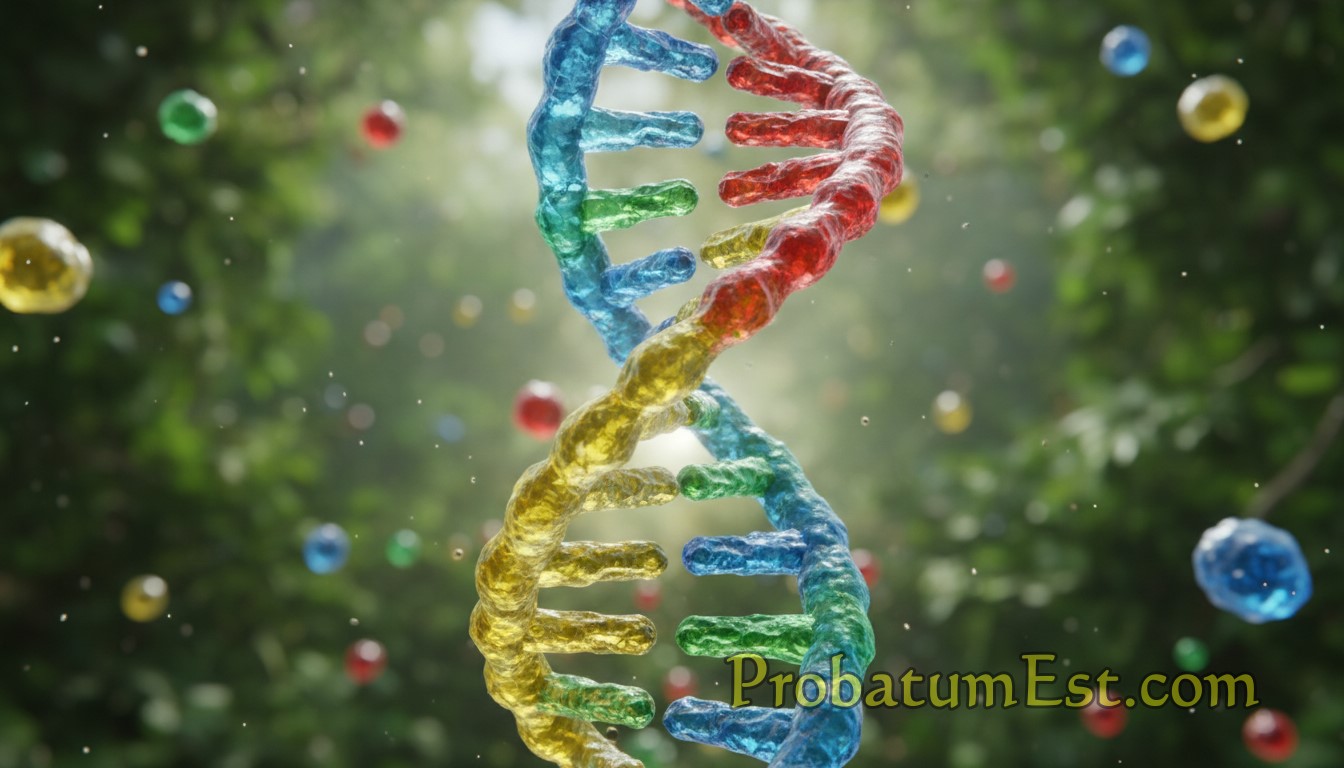
Deoxyribonucleic Acid (DNA) is a remarkable molecule whose discovery and ongoing study have revolutionized our understanding of biology, medicine, and forensic science. Since its identification in the 19th century, researchers have continued to unravel its secrets, unlocking numerous practical applications — from targeted medical treatments to solving decades-old criminal cases. Below is a deeper dive into DNA, supported by current research, expert opinions, and real-world examples, all with the aim of demonstrating its significance as the fundamental blueprint of life.
1. Historical Milestones in DNA Research
- Early Discovery by Friedrich Miescher: In 1869, Swiss biochemist Friedrich Miescher first isolated “nuclein” (now known as DNA) from pus and salmon sperm. Although scientists did not initially understand its significance, this discovery laid the groundwork.
- The Double Helix: In 1953, James Watson and Francis Crick proposed the famous double helix structure of DNA, building upon critical data from Rosalind Franklin’s X-ray diffraction images. This landmark achievement sparked a surge in molecular biology research.
- Sequencing Breakthroughs: In the late 1970s, Frederick Sanger developed a method for sequencing DNA molecules. This advancement paved the way for detailed genetic mapping and the prestigious Human Genome Project, which concluded in 2003 with a nearly complete read of the human genome.
2. The Structure and Composition of DNA
- Nucleotides: DNA consists of smaller units called nucleotides, each composed of a sugar (deoxyribose), a phosphate group, and one of four nitrogenous bases: adenine (A), thymine (T), guanine (G), or cytosine (C).
- Double Helix Arrangement: Two complementary strands twist around each other, resembling a spiral staircase. The phosphate-sugar backbone forms the outside supports, while the bases pair up (A with T, G with C) via hydrogen bonds in the center.
- Complementary Base Pairing: This pairing mechanism not only keeps the structure stable but also allows for precise replication. When the cell divides, each strand serves as a template for creating a new complementary strand.
3. DNA Replication
- Process Overview: Before a cell divides, enzymes unwind the DNA helix and separate the two strands. Specific enzymes then add free nucleotides to form new complementary strands, effectively duplicating the genetic information.
- Accuracy and Proofreading: The replication machinery includes proofreading functions, ensuring a remarkable level of accuracy. Mispaired nucleotides are often detected and corrected, although rare errors (mutations) can still occur.
- Pace of Replication: In human cells, DNA replicates at a rate of roughly 50 nucleotides per second per replication fork. This process involves multiple replication origins in each chromosome, allowing replication to complete efficiently.
4. Gene Expression: From DNA to Protein
- Transcription: In the first step, DNA’s code in a specific gene is transcribed into messenger RNA (mRNA). Enzymes unwound a segment of DNA so that one strand can serve as the template.
- Translation: The mRNA is then “translated” into a chain of amino acids—the building blocks of proteins — by ribosomes within the cell. The precise sequence of these amino acids determines the protein’s structure and function.
- Regulatory Elements: Cells carefully control which genes are expressed and how strongly, thanks to regulatory sequences in the DNA. These factors help different types of cells perform specialized functions.
5. The Human Genome Project and Beyond
- Large-Scale Sequencing: Initiated in 1990, the Human Genome Project aimed to sequence the entire human genome — about 3.2 billion base pairs. It reached its major milestones by 2003, and ongoing efforts have refined the data further.
- Key Takeaways: Scientists discovered that humans share 99.9% of their DNA with one another, highlighting how small genetic variations significantly influence traits such as eye color, metabolism, or predisposition to certain conditions.
- Cost and Accessibility: According to data from the National Human Genome Research Institute, the cost of sequencing a single genome has plummeted, making personalized medication and diagnostics more feasible than ever.
6. Real-World Applications of DNA
- Forensic Science: DNA profiling has transformed criminal investigations. In multiple high-profile cold cases, investigators have matched DNA samples from crime scenes with genetic evidence to identify suspects long after the crime occurred.
- Example Case Study: In a well-publicized case, DNA retrieved from decades-old evidence was matched to a suspect’s genetic data, ultimately solving a crime that had gone unsolved for generations.
- Medical Breakthroughs: Personalized medicine uses a patient’s genetic profile to tailor treatments — particularly notable for certain complex conditions. For instance, medical professionals can prescribe drug therapies based on how well an individual metabolizes certain medications, improving outcomes and minimizing side effects.
- Gene Editing Technologies: Revolutionary techniques, such as CRISPR-based tools, allow researchers to “cut” and “paste” genes with high precision. While studies are ongoing, this approach shows promise in treating genetic abnormalities and enabling the study of gene functions.
7. Ethical Considerations
- Privacy Concerns: The increased use of DNA for identification and personalization raises questions about data security. Experts advise that genetic data be safeguarded to prevent misuse in contexts ranging from law enforcement to insurance.
- Genetic Discrimination: Some worry about scenarios in which an individual’s genetic predispositions could influence hiring decisions or coverage in healthcare plans. Vigilant legislation and responsible stewardship of genetic information are essential.
- Balancing Innovation and Caution: While the potential of genetic research is extensive, experts consistently emphasize transparent and well-regulated scientific processes to ensure that the public’s trust is maintained.
8. Success Stories and Anecdotes
- Ancestry and Identity: Millions of people worldwide have turned to direct-to-consumer DNA testing to explore their heritage. Families separated for decades have reunited through these matches, shining a spotlight on the deeply human dimension of DNA testing.
- Dietary Research: Some nutritional studies focus on the interplay between genetic variants and dietary choices. Preliminary data suggests that understanding one’s genetic makeup could inform personalized nutrition plans, although more research is required to fully substantiate these methods.
9. Looking Ahead
- Advancements in Sequencing: Researchers continue to refine sequencing technology, seeking faster, more accurate, and less expensive tools. This evolving landscape may lead to the routine use of whole-genome sequencing in everyday healthcare.
- Cutting-Edge Therapeutics: Gene therapy is already being tested in certain medical contexts to treat conditions that were previously considered untreatable. This technology has the potential to offer new hope for patients living with debilitating conditions.
- Interdisciplinary Collaboration: Fields like bioinformatics, data science, and artificial intelligence are increasingly integral to analyzing large datasets generated by next-generation sequencing. Their fusion promises a deeper understanding of genomes and how DNA influences health and disease.
Conclusion
DNA stands as the essential blueprint directing the growth, development, and function of all known cellular organisms. Its discovery and rigorous study have touched virtually every branch of science, reshaping fields such as medicine, forensic science, and personalized healthcare. From the groundbreaking work of early researchers to modern-day advances, DNA continues to captivate scientists and the public alike. As we learn more about this indispensable molecule, we gain deeper insights into the complexity of life and how innovations in genetic science can transform our world in profound and compassionate ways.
By integrating robust research, expert perspectives, and real-life examples into ongoing investigations, one truth remains clear: DNA holds an extraordinary power to inform, unite, and improve lives, making it one of the most significant scientific frontiers of our time.


Leave a Reply