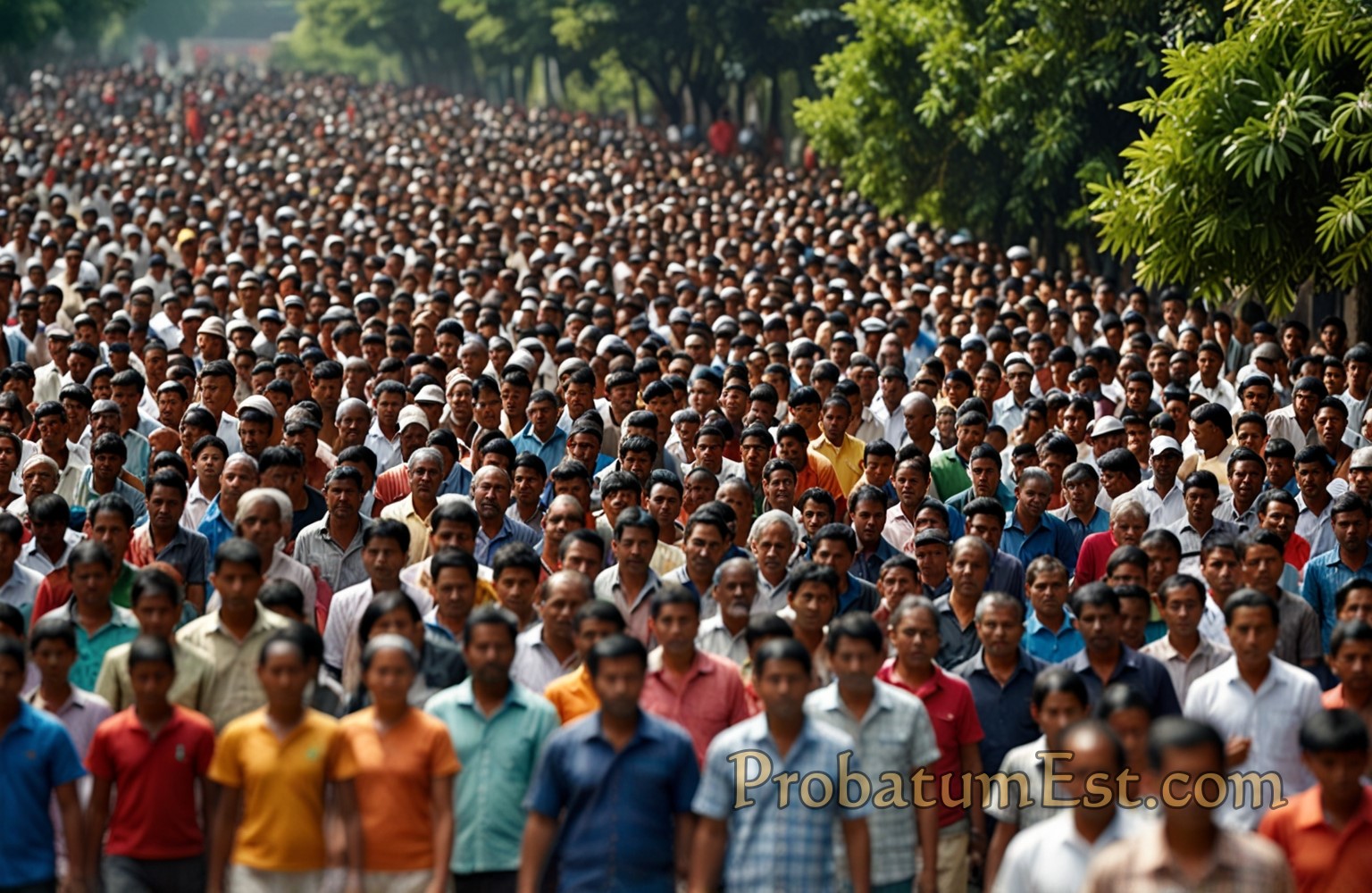
Population Growth has been a subject of intense study and discussion among demographers, economists, environmentalists, and policymakers for centuries. It refers to the increase in the number of individuals in a population, and it is a concept that encapsulates a wide range of social, economic, and environmental issues. Understanding population growth involves examining its history, causes, effects, and the policies that can influence it. This article delves deeply into these aspects to provide a comprehensive view of population growth.
Historical Perspective
For most of human history, population growth was slow. Early human populations were limited by high mortality rates and a nomadic lifestyle which constrained their ability to significantly increase in numbers. However, the advent of agriculture around 10,000 years ago marked a turning point, allowing for more stable food supplies and the first population surges.
The most dramatic phase of population growth commenced with the Industrial Revolution in the 18th and 19th centuries. Advances in medicine, improved agricultural practices, and innovations in technology reduced mortality rates significantly, leading to a population explosion. The global population, which was about 1 billion in 1800, doubled by 1930, and has since grown to over 7.9 billion today.
Causes of Population Growth
Population growth is driven by a variety of factors, primarily birth rates, death rates, and migration:
- Fertility Rates: Birth rates are a primary driver of population growth. While global fertility rates have declined in recent decades, they remain high in many parts of Sub-Saharan Africa, parts of Asia, and Latin America.
- Mortality Rates: Improvements in healthcare, sanitation, and nutrition have led to lower death rates. This reduction in infant and child mortality is a significant contributor to population growth.
- Migration: Migration can significantly affect population growth in specific regions. Countries experiencing a high influx of immigrants can see population increases, while those with high emigration rates might experience slowed growth or decline.
- Cultural Factors: Cultural norms and values around family size can heavily influence population growth. In many regions where larger families are culturally favored, birth rates remain high.
- Economic Factors: Economic conditions can both stimulate and curb population growth. Prosperity often leads to lower birth rates as child-rearing becomes costlier, while poverty can lead to higher birth rates due to lack of access to family planning resources.
Effects of Population Growth
Population growth has profound effects on social, economic, and environmental domains:
- Economic Impact: A rapidly growing population can provide a larger labor force, potentially leading to economic growth. However, without corresponding economic opportunities, it can result in unemployment, poverty, and strained public services.
- Social Implications: High population growth can impact social structures, leading to challenges in education, healthcare, and housing.
- Environmental Concerns: One of the most pressing issues of population growth is its impact on the environment. More people mean greater demand for resources like water, food, and energy, and increased waste and pollution.
- Urbanization: Population growth often leads to urbanization. While cities can be centers of innovation and economic growth, rapid urbanization can result in overcrowded living conditions and inadequate infrastructure.
Policy Responses to Population Growth
Policymakers worldwide have implemented various strategies to manage population growth. These can be broadly categorized into efforts to slow population growth and initiatives to accommodate it:
- Family Planning: Access to contraception, reproductive health services, and education can help manage birth rates.
- Education and Empowerment: Educating women and girls and empowering them to make informed reproductive choices is a powerful tool in reducing fertility rates.
- Economic Incentives: Some countries offer economic incentives to families to encourage or discourage childbirth, depending on their demographic goals.
- Sustainable Development: Investing in sustainable development can help accommodate growing populations while reducing environmental impact. This includes the development of renewable energy sources, sustainable agriculture, and green infrastructure.
- Migration Policies: Regulations around immigration and emigration also play a role in shaping population growth patterns.
The Future of Population Growth
The future trajectory of population growth remains uncertain and is subject to various influences. The United Nations projects that the global population will reach around 9.7 billion by 2050, with most growth occurring in less developed regions. This expected increase will pose significant challenges while also offering opportunities if managed effectively.
Conclusion
Population growth is a complex phenomenon with deep historical roots and wide-ranging implications. It is influenced by numerous factors and can have profound effects on economies, societies, and the environment. Addressing the challenges and opportunities presented by population growth requires comprehensive and nuanced policies that are adaptive to the unique conditions of each region. By understanding the intricacies of population growth, we can better prepare for a future that balances human needs with the health of our planet.




Leave a Reply