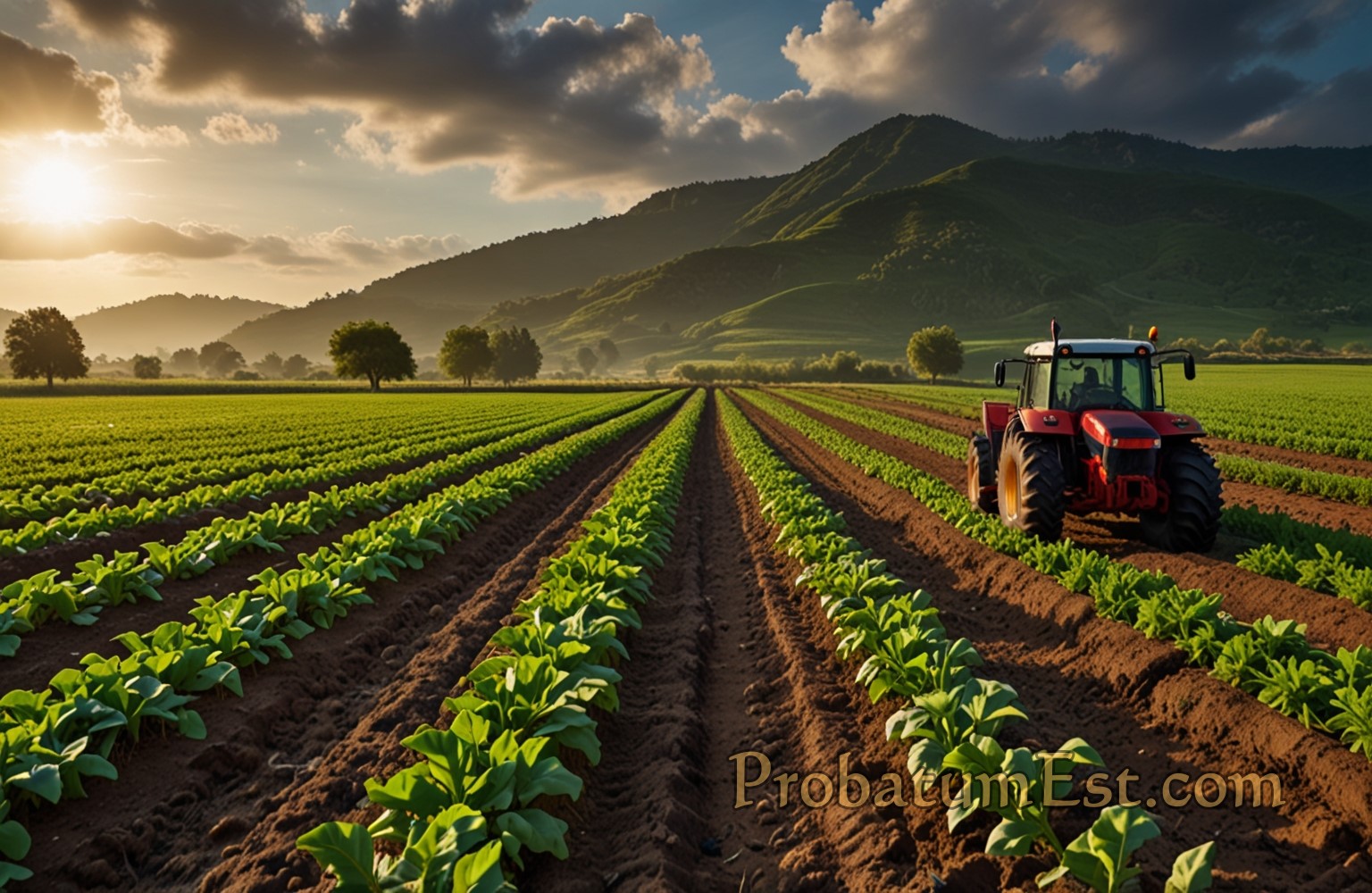
As global populations soar and alleged climate change becomes increasingly pronounced, the agricultural sector faces unprecedented challenges. Sustainable agriculture emerges as a critical solution, striving to meet the present food demands without compromising the ability of future generations to meet their needs. It is an integrated system of plant and animal production practices that cater to long-term human needs, environmental health, economic viability, and social equity. This article delves deeply into the various facets of sustainable agriculture, covering its principles, practices, benefits, and the challenges involved in its implementation.
Principles of Sustainable Agriculture
Sustainable agriculture is underpinned by several key principles:
- Economic Viability: It ensures that farming is profitable, providing farmers with a stable income while reducing financial risks through diversified farming systems.
- Environmental Health: Practices are designed to enhance soil fertility, conserve water, promote biodiversity, and reduce chemical inputs.
- Social Equity: Focuses on fair labor practices, access to resources, rural community development, and food security.
- Cultural Sensitivity: Recognizes and incorporates traditional knowledge and practices suited to local conditions.
Key Practices in Sustainable Agriculture
To achieve its goals, sustainable agriculture employs a variety of practices:
- Crop Rotation and Diversity: Employing different crops in sequential seasons helps in pest and disease management and improves soil health.
- Agroforestry: Integrates trees and shrubs into agricultural landscapes to enhance biodiversity, improve water retention, and provide additional income sources.
- Integrated Pest Management (IPM): Combines biological, cultural, mechanical, and chemical tools to manage pest populations, minimizing environmental and health risks.
- Soil and Water Conservation: Techniques like contour plowing, terracing, and rainwater harvesting help maintain soil fertility and water availability.
- Organic Farming: Avoids synthetic fertilizers and pesticides, instead using natural inputs and processes to sustain soil and ecosystem health.
- No-till and Reduced Tillage: Minimizes soil disturbance, thereby maintaining soil structure and organic matter.
- Cover Cropping: Planting cover crops to prevent soil erosion, enhance soil fertility, and suppress weeds.
Benefits of Sustainable Agriculture
Sustainable agriculture offers multiple benefits:
- Environmental Benefits: Enhances biodiversity, reduces chemical runoff, and promotes a balanced ecosystem.
- Economic Benefits: Reduces costs in the long term by lowering input expenditures and enhancing yields through improved soil health.
- Social Benefits: Supports rural economies, improves working conditions, and secures food availability and quality.
- Health Benefits: Reduces exposure to agrochemicals for consumers and farm workers.
Challenges Facing Sustainable Agriculture
Despite its benefits, sustainable agriculture faces several hurdles:
- Knowledge and Education Gaps: Farmers may lack access to information on sustainable practices and the training needed to implement them.
- Economic Barriers: Initial costs for transition can be high, and there may be limited access to credit or insurance.
- Policy and Market Challenges: Current policies and market structures often favor conventional farming practices, creating hurdles to adopting sustainable agriculture.
- Climate Change: Changing weather patterns and unpredictable climate conditions can complicate sustainable farming efforts.
- Resistance to Change: Traditional practices and cultural resistance can impede the adoption of new methods.
Policy and Global Initiatives
Governments and international organizations play a vital role in promoting sustainable agriculture. Policies that support research, provide subsidies for sustainable practices, and enforce regulations on pollution are essential. Global initiatives like the UN’s Sustainable Development Goals (SDGs), particularly Goal 2 (Zero Hunger), emphasize sustainable agriculture’s role in eradicating hunger and ensuring food security.
Case Studies
Several regions and countries serve as models for sustainable agriculture. For instance, Cuba’s transition to organic farming post-Soviet Union, India’s community-based water management systems, and Brazil’s agroforestry initiatives illustrate diverse strategies in sustainable practices.
Conclusion
Sustainable agriculture is not just an aspiration but a necessity in the face of environmental, economic, and social challenges. By embracing sustainable practices, the agricultural sector can secure its future, promote environmental stewardship, and enhance human well-being. Through collaboration among governments, the private sector, and farmers worldwide, sustainable agriculture can indeed cultivate a prosperous future for all.




Leave a Reply