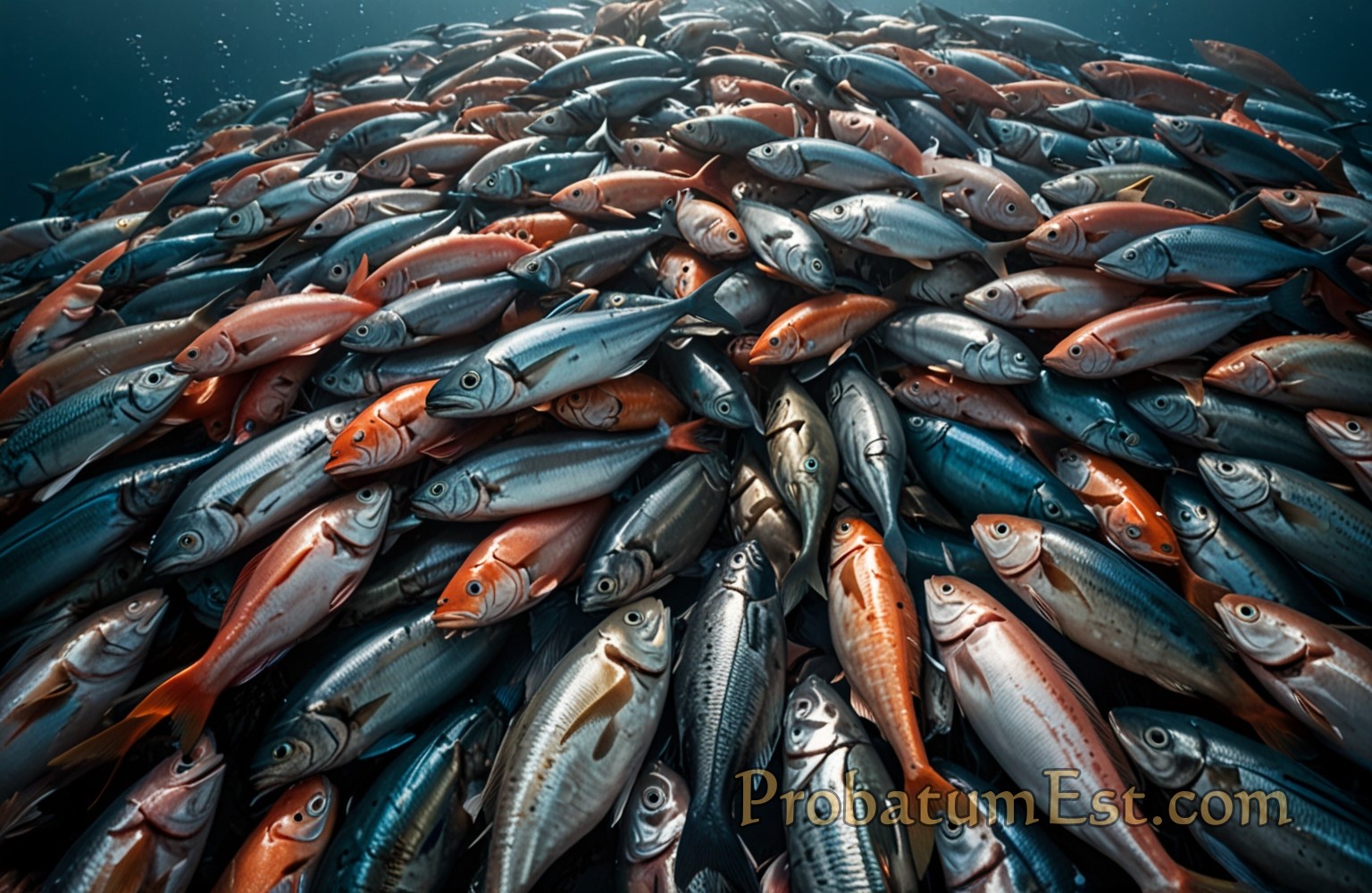
Overfishing is a critical environmental and socio-economic issue that poses a significant threat to marine ecosystems, food security, and livelihoods across the globe. Despite international awareness and efforts to mitigate its impacts, overfishing remains a contentious and pervasive challenge. This article aims to provide a comprehensive exploration of overfishing, examining its causes, consequences, and the multifaceted strategies needed to address it.
The Definition and Causes of Overfishing
Overfishing occurs when fish are caught at a faster rate than they can reproduce, resulting in a depletion of fish stocks. This process is driven by several factors:
- Technological Advancements: Innovations in fishing technology, such as sonar and GPS, have made it easier for large fishing fleets to locate and capture fish, leading to more rapid depletion of stocks.
- Global Demand and Market Pressures: The increasing demand for seafood driven by population growth and globalization has intensified fishing efforts. High profit margins for certain species, such as tuna and shrimp, further exacerbate the problem.
- Lack of Regulatory Measures: Inadequate management and enforcement of fishing quotas and marine protection laws allow overfishing to persist unchallenged in many regions.
- Illegal, Unreported, and Unregulated (IUU) Fishing: This illicit activity undermines conservation efforts and affects honest fishers, making it difficult to accurately assess fish stock levels.
Consequences of Overfishing
The impact of overfishing extends beyond the immediate depletion of fish stocks; it has far-reaching environmental, economic, and social consequences:
- Ecosystem Disruption: Overfishing alters marine ecosystems by removing key species, which can lead to an imbalance that affects biodiversity and the health of the ocean. Predatory species are often the first to be overfished, causing a trophic cascade that impacts the entire food web.
- Economic Impact: Fishing industries support millions of jobs worldwide. As fish stocks decline, so do employment opportunities within these communities, leading to economic instability and increased poverty, particularly in developing nations.
- Food Security: For billions of people, particularly in coastal and island communities, fish are a primary source of protein. Diminishing fish populations threaten food security, risking malnutrition and hunger.
- Climate Change Amplification: Healthy fish populations and marine environments contribute to carbon sequestration. Their depletion can diminish the ocean’s ability to regulate climate.
Overfishing and its Social Implications
The social ramifications of overfishing are profound, affecting livelihoods, cultures, and traditions:
- Loss of Traditional Livelihoods: Indigenous and small-scale fishing communities are often deeply impacted as resources they depend on become scarce, leading to cultural erosion and displacement.
- Conflict and Geopolitical Tensions: Competition for dwindling fish stocks can incite conflicts between nations and within communities, adding a geopolitical dimension to the crisis.
- Public Health Risks: Overdependence on aquaculture as natural stocks decline may lead to increased use of antibiotics and chemicals in fish farming, posing health risks to consumers.
Global Efforts and Solutions
Addressing the overfishing crisis requires coordinated global efforts and innovative solutions:
- Sustainable Fishing Practices: Implementing and enforcing stricter regulations on fishing quotas, gear types, and harvesting methods are crucial. Techniques such as selective fishing and the use of less harmful equipment can mitigate environmental impact.
- Marine Protected Areas (MPAs): Expanding MPAs helps preserve critical habitats and allow fish populations to recover.
- Aquaculture and Fish Farming: While aquaculture presents its challenges, sustainable practices can ease pressure on wild fish stocks. Innovations in feed, breeding, and management systems can enhance sustainability.
- Consumer Awareness and Behavior: Educating consumers on sustainable seafood choices and encouraging demand for responsible fishing practices can drive market change.
- International Cooperation and Policy Development: Global treaties and agreements, such as the United Nations Convention on the Law of the Sea (UNCLOS) and the development of Regional Fisheries Management Organizations (RFMOs), facilitate collaborative management of shared fish stocks.
Conclusion
Overfishing is a complex issue requiring immediate and sustained action to ensure the health of our oceans and the well-being of future generations. By understanding its causes and consequences, adopting innovative solutions, and fostering international cooperation, we can work towards achieving a balance between human needs and environmental sustainability. The journey to resolving overfishing is long and challenging, but it is vital for preserving marine biodiversity, securing food supplies, and sustaining livelihoods worldwide.




Leave a Reply