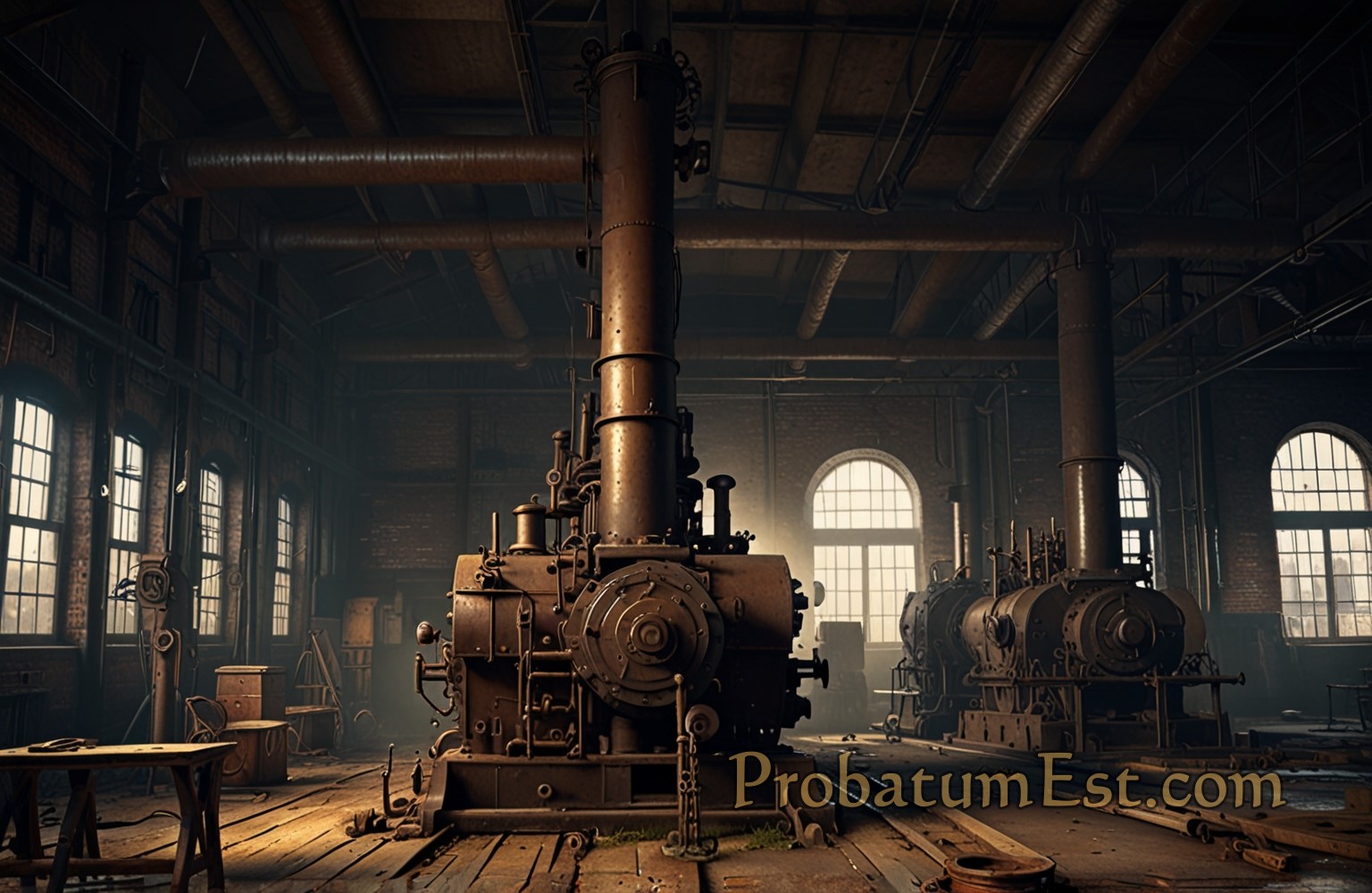
The Industrial Revolution stands as a pivotal period in human history, marking the transition from agrarian and handicraft economies to industrialized and mechanized systems. Spanning from the late 18th century to the early 19th century, it fundamentally altered every aspect of daily life. This article aims to explore the various facets of the Industrial Revolution, including its origins, key developments, impacts, and the lasting legacy it has left on the modern world.
Origins and Context
Pre-Industrial Society
Before delving into the Industrial Revolution, it’s important to understand the context of pre-industrial society. Predominantly agrarian, these societies relied on traditional methods of farming and handicrafts. Life was mostly rural, with small communities revolving around agriculture, manual labor, and cottage industries. Economic activities were labor-intensive and constrained by the limitations of manual work and animal power.
Conditions Favoring Industrialization
Several factors laid the groundwork for the Industrial Revolution. These include:
- Agricultural Advancements: Innovations in farming, such as the Norfolk four-course crop rotation, selective breeding, and the seed drill invented by Jethro Tull, increased food production and released labor for industrial activities.
- Population Growth: The 18th century witnessed a significant increase in population due to declining mortality rates, leading to a larger labor force and increased demand for goods.
- Capital Accumulation: Trade expansions, particularly with colonies, led to the accumulation of capital that fueled industrial investment.
- Political Stability and Property Rights: A stable political environment, particularly in Britain, with secure property rights encouraged entrepreneurship and investment.
- Resources: The availability of coal and iron ore, especially in Great Britain, provided essential resources for powering and building machinery.
Key Developments
Technological Innovations
The Industrial Revolution was characterized by several groundbreaking technological advancements:
- Textile Industry: The spinning jenny, water frame, and power loom revolutionized textile manufacturing, transforming it into a mechanized industry housed in factories.
- Steam Engine: James Watt’s improvements to the steam engine provided a new source of power that was pivotal in driving machinery and transport.
- Iron and Steel Production: Henry Cort’s invention of the puddling process improved the quality and availability of iron, leading to the development of steel.
- Transportation: The development of the steam locomotive and steamships facilitated the transport of goods and people, shrinking distances and fostering trade.
- Communications: The invention of the telegraph revolutionized communication, making it possible to convey information quickly over long distances.
Industrial Cities and Urbanization
The concentration of industries in specific locations led to rapid urbanization. Cities like Manchester, Birmingham, and Liverpool exploded in population as people flocked from rural areas seeking factory work. However, this dramatic growth brought about significant social challenges, including overcrowding, inadequate sanitation, and poor living conditions.
Social and Economic Impacts
Economic Changes
- Growth of Capitalism: The Industrial Revolution accelerated the development of capitalism, characterized by private ownership, free markets, and the accumulation of capital.
- Increased Production and Efficiency: Mass production techniques and mechanization significantly increased output and efficiency, lowering the cost of goods and making them more accessible.
- Rise of the Factory System: The shift from home-based production to factory-based systems centralized production processes, changing labor dynamics.
Social Transformations
- Labor Movement: Harsh working conditions and low wages led to the rise of labor movements and the eventual formation of trade unions, advocating for workers’ rights and better conditions.
- Class Structure: The Industrial Revolution led to the emergence of distinct social classes, including a growing middle class of industrialists and entrepreneurs, and a working class comprised of factory laborers.
- Role of Women and Children: Women and children played significant roles in industrial production, often working long hours for low pay in challenging conditions, prompting eventual reforms.
Cultural and Ideological Shifts
The Industrial Revolution catalyzed shifts in cultural and ideological perspectives:
- Romanticism: As a reaction to the mechanization and dehumanization of industrial society, the Romantic movement emphasized nature, emotion, and individualism.
- Economic Theories: Thinkers like Adam Smith, with his laissez-faire capitalism, and Karl Marx, with his critique of capitalism, emerged during this period, influencing economic and political thought.
- Education and Literacy: The demands of an industrial economy led to increased emphasis on education, resulting in rising literacy rates and the establishment of formal schooling systems.
Environmental Impact
The Industrial Revolution also marked the beginning of significant environmental changes. The reliance on coal and other fossil fuels led to air and water pollution. Deforestation and industrial waste further altered ecosystems, creating environmental challenges that persist today.
Global Diffusion and Variations
While the Industrial Revolution began in Britain, it soon spread to Europe, North America, and beyond. Each region experienced industrialization differently based on local resources, political contexts, and cultural factors. Countries like Germany and the United States adapted and further advanced industrial technologies, becoming industrial leaders in their own rights.
Legacy and Conclusion
The Industrial Revolution’s legacy is multifaceted, having set the stage for continued technological advancements and economic growth. It laid the foundation for the modern world, fostering innovations that led to subsequent technological revolutions. However, it also introduced social and environmental challenges that continue to influence contemporary society.
In conclusion, the Industrial Revolution was a complex transformation that redefined human existence. By examining its origins, developments, and impacts, we gain a clearer understanding of how it shaped the economic, social, and environmental landscapes of today. The lessons learned from this pivotal era continue to inform decisions and policies in our increasingly industrialized and interconnected world.




Leave a Reply