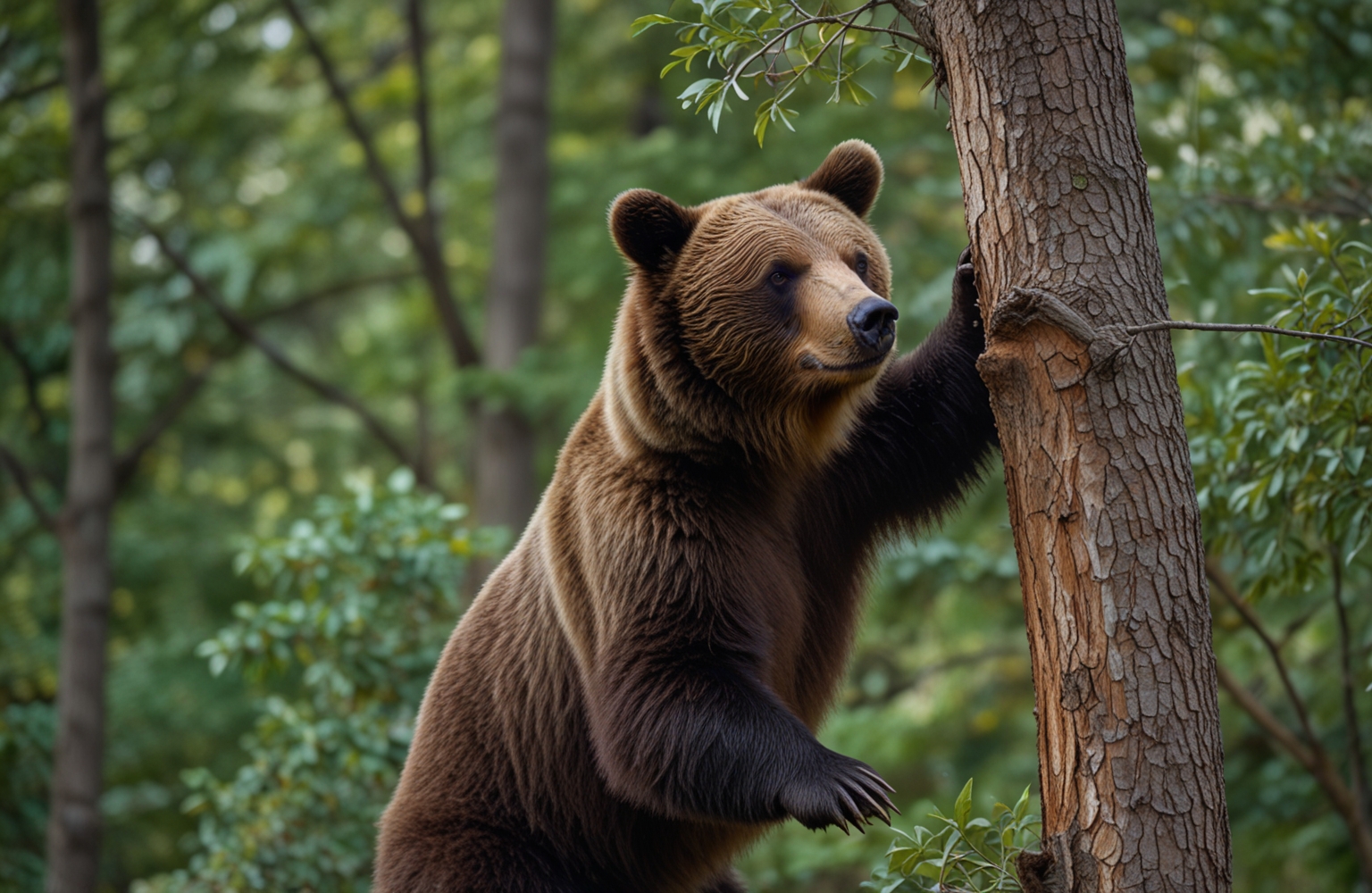
“Can bears climb trees?” is a question that intrigues many wildlife enthusiasts and casual observers alike. While cartoons often depict bears perched high among branches, the reality is more complex. This article takes an in-depth look at which bear species are adept climbers, the anatomical and behavioral factors that enable tree climbing, and real-world evidence that demonstrates these abilities.
1. Overview of Bear Species and Their Climbing Abilities
Not all bear species climb trees with the same proficiency. The anatomy, habitat preferences, and size of each species can influence whether it routinely ventures into the canopy.
- American Black Bear (Ursus americanus): Widely recognized as excellent climbers, black bears are known for their strong forelimbs and curved claws. They often climb in search of food, to escape predators (especially younger bears), or to find resting spots.
- Brown Bear/Grizzly Bear (Ursus arctos): Brown bears possess substantial body mass, which can limit their climbing efficiency; however, cubs and smaller individuals may still climb. Adult grizzlies generally prefer to remain on the ground but have been documented scampering up shorter trees when necessary.
- Polar Bear (Ursus maritimus): Polar bears do not typically climb trees, largely because their tundra and ice habitats lack large trees. While they have strong forelimbs, their environment and body structure make tree climbing uncommon.
- Other Species (like Sun Bears, Sloth Bears, Spectacled Bears, and Giant Pandas): These bears can climb trees to varying degrees. Sun bears and sloth bears, for instance, rely on their long claws and relatively leaner builds to reach nests of insects and fruits in the forest canopy.
2. Anatomical Factors that Affect Tree Climbing
Several key anatomical features influence a bear’s ability to climb trees:
- Claws: Bears with sharper, more curved claws — like black bears — are better equipped to grip the bark and push their bodies upward.
- Body Mass: Heavier bears, like mature grizzlies, will often find climbing more challenging than lighter black bears.
- Limb Proportions: Bears that have relatively long forelimbs, strong shoulder muscles, and flexible joints can climb more efficiently.
3. Behavioral Reasons Why Bears Climb
Even for species that excel in climbing, venturing upward is not solely a matter of capability; it is also about motivation:
- Foraging: Black bears, in particular, climb trees to access fruits, nuts, and bird feeders. Their keen sense of smell drives them to venture wherever food is most readily available.
- Predator Evasion: In regions where larger predators or territorial fights occur, younger or smaller bears climb to stay safe.
- Bedding and Rest: Some bears, such as American black bears, have been observed napping on sturdy branches, especially when they feel secure from ground-based disturbances.
- Curiosity and Exploration: Juvenile bears often explore their environment by climbing to gain a vantage point or satisfy their curiosity about surroundings.
4. Anecdotes and Case Studies
- Black Bear Sightings Near Residences: Authorities in states like Florida and Colorado occasionally document black bears scaling fences and trees in suburban neighborhoods. Residents have recorded videos of these bears climbing up to escape curious onlookers or to nab fruit from backyard trees.
- Wildlife Research Observations: According to bear researchers at facilities such as the North American Bear Center, black bears are often spotted high in oak and pine trees, effortlessly clinging to branches while foraging. Dr. Lynn Rogers, a well-known bear biologist, has documented numerous instances where younger black bears climb more frequently than adults, mirroring a trend observed in many regions.
5. Expert Opinions and Data
Wildlife experts emphasize that climbing proficiency varies significantly among bear species:
- National Park Service: Rangers frequently caution hikers that black bears are exceptionally agile climbers. Hikers are advised that climbing a tree to evade a black bear may not be effective, as the bear can usually follow.
- State Wildlife Agencies: Data shows that even in human-populated areas, a bear’s climbing instincts remain intact. For instance, some agencies share recordings of mother bears ushering their cubs up trees when they perceive threats.
- Research Institutions: Biologists studying bear behaviors commonly record climbing frequencies. Research indicates that black bear cubs spend a notable portion of their early months in trees, honing balance, and building muscle.
6. Safety Tips for Human Encounters
While observing a bear in a tree can be fascinating, safety remains paramount:
- Keep Your Distance: Never approach a bear — on the ground or in a tree. A frightened bear might come down rapidly.
- Secure Attractants: Reduce the likelihood of bears in residential trees by properly securing garbage, removing bird feeders, and keeping pet food indoors.
- Respect Wildlife Regulations: Follow local guidelines, placards, and instructions about bear sightings. Proper conduct helps protect both humans and bears.
7. Conclusion
So, can bears climb trees? The answer is a resounding “yes,” especially for species like the American black bear, which rely on their climbing ability for survival, exploration, and foraging. Brown bear cubs may also climb, while heavier adults are more grounded. Polar bears rarely have the opportunity or need to climb. Understanding these nuances not only satisfies curiosity but also underscores the adaptability of bears across diverse habitats.
By appreciating the varied climbing capabilities of different bear species, wildlife enthusiasts and residents in bear country can adopt more informed perspectives and behaviors. Whether observing black bears nimbly ascending a tree trunk or marveling at a cub’s first attempt to climb, one thing is certain: bears remain some of the most fascinating and resourceful animals in the wild.




Leave a Reply