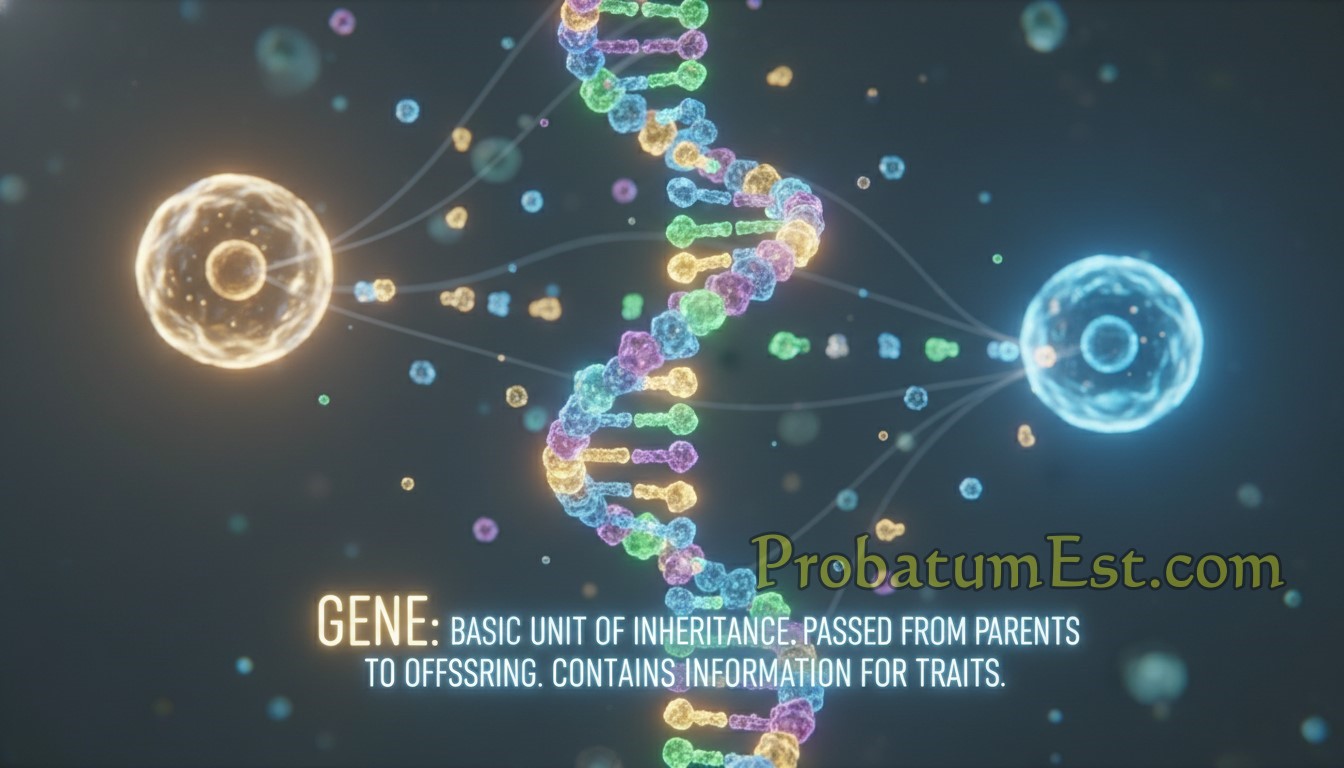
Genes lie at the heart of all known biological processes. As a basic unit of inheritance, genes influence traits, health, and growth throughout an organism’s life. Recent advances in scientific research have broadened our understanding of how genes work, how they are regulated, and what their future applications might be. This article delves into the fundamentals of genes, exploring their composition, function, mechanisms of inheritance, and pivotal role in modern medicine and research.
1. What Are Genes?
Genes are segments of deoxyribonucleic acid (DNA) that carry the instructions for building proteins and other vital molecules in living organisms. Inside each cell’s nucleus, DNA is tightly coiled into structures called chromosomes. In humans, typically there are 46 chromosomes (23 pairs), each composed of thousands of genes. According to the National Human Genome Research Institute (NHGRI), the human genome contains approximately 20,000 to 25,000 genes.
1.1 Composition of Genes
- Exons: These are the coding sections of a gene that provide instructions for making proteins.
- Introns: These are noncoding regions that are removed from the final messenger RNA (mRNA) during the process of gene expression. Although introns do not directly code for proteins, they can play important regulatory roles.
- Regulatory Sequences: Found upstream or downstream of the coding region, these sequences control when, where, and how much a gene is expressed.
2. How Genes Work
Gene function is intricately connected to protein synthesis, which typically follows a process known in molecular biology as the central dogma: DNA → RNA → Protein.
2.1 Transcription
During transcription, an enzyme called RNA polymerase reads the DNA template and creates a complementary strand of RNA. This primary RNA transcript includes both exons and introns.
2.2 RNA Processing
In eukaryotes (such as humans), the initial RNA transcript is further modified. Introns are removed, and the remaining exons are spliced together, forming messenger RNA (mRNA).
2.3 Translation
During translation, ribosomes read the mRNA sequence and assemble amino acids in the correct order, eventually creating a functional protein or polypeptide. These proteins then go on to perform countless tasks essential for growth, repair, and general metabolism in the body.
3. The Inheritance of Genes
3.1 Basic Patterns of Inheritance
Gregor Mendel’s classic work on pea plants demonstrated how specific traits can be passed from one generation to the next. While many traits in humans follow more complex patterns, Mendel’s insights inspired extensive research in how genes sort and reassort across generations. Broadly, inheritance patterns include:
- Autosomal Dominant: A single copy of a variant gene on a non-sex (autosomal) chromosome can cause expression of a particular trait.
- Autosomal Recessive: Two copies of a variant gene (one from each parent) are necessary for the trait to be expressed.
- Sex-Linked: Genes located on sex chromosomes (commonly the X chromosome in humans) can produce distinct inheritance patterns between males and females.
3.2 Anecdotes and Examples
- Eye Color Variations: While traditionally explained as a simple dominant-recessive trait, modern genetics recognizes that multiple genes influence eye color. This more multifaceted approach highlights how complex and interwoven genetic traits can be.
- Familial Health Conditions: Many families share conditions like certain types of hemoglobin abnormalities. If a parent carries a mutated gene, the likelihood of each child inheriting it depends on whether the trait follows a dominant, recessive, or sex-linked pattern.
4. Gene Regulation and Epigenetics
Genes do not remain in a static “on” or “off” position throughout an organism’s lifespan. Gene regulation determines which genes are active in which cells and at what times. Epigenetics is the study of how modifications – such as the addition of methyl groups to DNA or alterations to histone proteins — can change gene activity without altering the underlying DNA sequence.
4.1 Influence of Environment and Lifestyle
Several studies, including those published in reputable journals like Nature and Science, indicate that diet, stress, and exposure to certain chemicals can lead to epigenetic changes. These modifications can affect everything from metabolic processes to an individual’s risk for certain diseases.
4.2 Heritability of Epigenetic Marks
Some epigenetic changes can be passed from parents to offspring, suggesting that lifestyle choices may influence not only personal health but also future generations.
5. Genes in Modern Medicine
5.1 Genetic Testing
Genetic screenings are employed to detect predispositions to various conditions, such as certain forms of inherited cancers. These tests can inform individuals of potential risks and encourage proactive care.
5.2 Gene Therapy
Gene therapy focuses on correcting defective genes responsible for disease development or providing new genes to help tackle health conditions. Researchers use various molecular tools to introduce, remove, or modify genetic material. An example is the CRISPR-Cas9 system, which enables precise DNA editing.
5.3 Pharmacogenomics
Pharmacogenomics tailors drug therapies to individuals’ genetic profiles. According to the U.S. Food and Drug Administration (FDA), certain medications now include genetic information on their labels to better guide healthcare professionals in prescribing appropriate dosages that mitigate side effects.
6. Large-Scale Genomic Studies
6.1 Human Genome Project (HGP)
Completed in 2003, the Human Genome Project mapped the entirety of the human DNA sequence. This monumental effort has led to unprecedented insights into genetic variation, disease risk, and biological processes.
6.2 Current Research Initiatives
Building on the HGP, various large-scale initiatives, such as projects funded by the National Institutes of Health (NIH), continue to collect genetic data from diverse populations. These global efforts aim to improve the understanding of how genes interact with lifestyle and other factors to influence health outcomes.
7. Ethical, Legal, and Social Implications
7.1 Privacy and Data Security
Genomics research often stores large quantities of genetic data. Ensuring that individuals’ information remains secure is crucial to maintaining trust in research and clinical settings.
7.2 Informed Consent
In medical and research contexts, individuals must be fully informed about the potential benefits and risks associated with providing genetic samples. Transparency about how data will be used is critical.
7.3 Societal Impact
As genetic testing and gene editing techniques become more accessible, ongoing dialogue about ethical considerations is necessary to balance scientific advancement with respect for individual rights and well-being.
8. Looking Ahead
Research in genetics continues to expand at a rapid pace, with many breakthroughs predicted to shape healthcare and research in the coming decades. Personalized medicine, expanded epigenetic studies, and novel gene-editing technologies promise to revolutionize our understanding of genes and their functions in biology and medicine.
For example, while scientists have identified thousands of genes associated with various conditions, there is still much to uncover about how these genes interact with other factors. The complexity of genetic networks means that future discoveries may reframe our perspective on inherited traits, disease mechanisms, and medical interventions.
Conclusion
Genes are the fundamental building blocks that orchestrate life’s myriad processes. From the classic studies of inheritance patterns to the more recent innovations in gene therapy and pharmacogenomics, genetics continues to be one of the most dynamic disciplines in science. In studying genes, researchers and clinicians not only deepen our comprehension of biology’s inner workings but also unlock new avenues for treating and preventing diseases. As our knowledge grows, genes will undoubtedly remain central to medicine, research, and the ongoing quest to improve global health outcomes.
References (Selected):
- National Human Genome Research Institute (NHGRI): genome.gov
- U.S. Food and Drug Administration (FDA): fda.gov
- Nature (Journal): nature.com
- Science (Journal): science.org
By advancing our understanding of the science of genes, we gain powerful tools to address health challenges, improve diagnostics, and develop treatments tailored to individual genetic profiles. Through responsible research, collaboration, and dialogue, the future of genetics stands poised to benefit individuals and society alike.




Leave a Reply