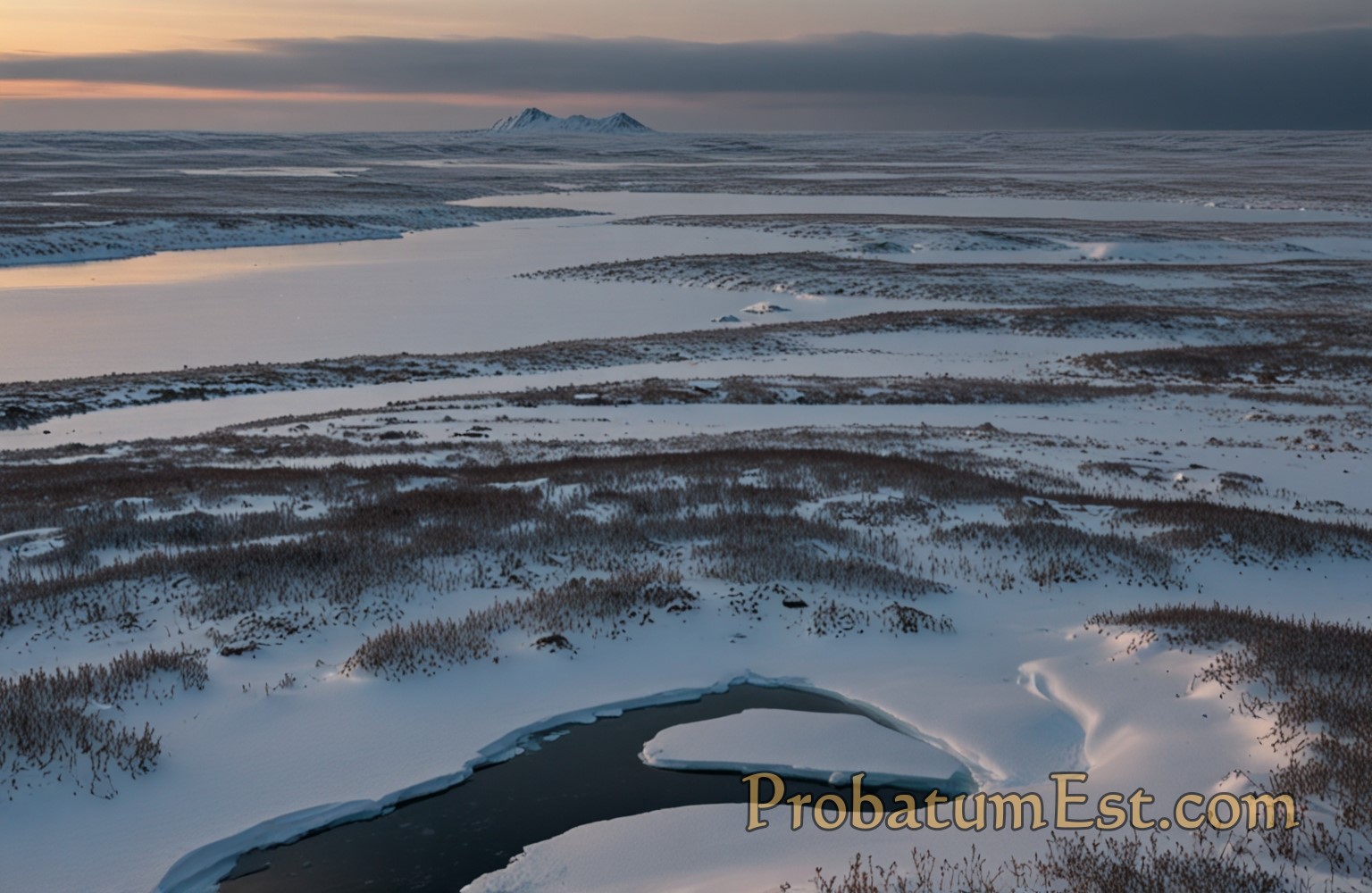
The polar climate zone, one of Earth‘s most extreme environments, is characterized by frigid temperatures, intricate ecosystems, and significant global importance. This comprehensive article aims to explore the polar climate zones in-depth, highlighting their geographical, meteorological, ecological, and socio-economic aspects.
Geographical Extent
The polar climate zones are located at the Earth’s highest latitudes, specifically near the Arctic Circle and the Antarctic Circle. The Arctic region encompasses the Arctic Ocean and its surrounding landmasses, including parts of Canada, Greenland, Russia, and Scandinavia. On the opposite end of the globe, the Antarctic region consists of the continent of Antarctica and its surrounding Southern Ocean. These zones are defined by their latitudinal position, extreme cold, prolonged periods of darkness during winter, and continuous daylight in summer.
Climatic Characteristics
The polar climate is characterized by long, harsh winters and short, cool summers. Temperatures in these regions rarely rise above freezing, with winter temperatures plummeting below -30°C (-22°F) and summer temperatures occasionally rising to about 0°C (32°F). The distinguishing feature of polar climates is the presence of permafrost, a layer of permanently frozen ground, which affects soil dynamics and vegetation growth. Precipitation is sparse in these regions, often in the form of snow, leading to the accumulation of ice sheets and glaciers, especially in Antarctica.
Meteorological Phenomena
The polar regions are subject to unique meteorological processes. The phenomenon of polar vortex, a large area of low pressure and cold air surrounding the poles, influences weather patterns globally. Additionally, polar regions experience strong katabatic winds, which are cold, downslope winds that occur when dense cold air descends from elevated areas under the influence of gravity. The formation of sea ice, a seasonal phenomenon, plays a critical role in reflecting solar radiation, helping to regulate Earth’s temperature.
Ecological Systems
Despite the harsh conditions, polar regions host diverse ecosystems. In the Arctic, tundra vegetation such as mosses, lichens, and low shrubs dominate the landscape, providing habitat for a range of wildlife. Iconic species such as polar bears, Arctic foxes, and migratory birds are adapted to survive the extreme conditions. The Antarctic ecosystem, though less biodiverse, is typified by its marine life, including krill, penguins, and seals, which thrive in the nutrient-rich Southern Ocean.
Polar Ice and Sea Level Rise
One of the critical roles of the polar regions is their influence on global sea levels. The polar ice caps store about 70% of the Earth’s fresh water. Melting ice due to rising global temperatures contributes significantly to sea level rise, posing a threat to coastal regions worldwide. The Greenland and Antarctic ice sheets are especially crucial in this regard, and their stability is a focal point for climate scientists.
Polar Research and Exploration
The polar regions have historically sparked curiosity and exploration. Today, they remain vital research areas for understanding climate dynamics and gauging the impacts of global warming. International cooperation is key in these remote areas, with various countries operating research stations to explore atmospheric sciences, glaciology, and oceanography. These research endeavors provide valuable data crucial for climate models and policy formulation.
Indigenous Communities
The Arctic is home to numerous Indigenous communities, including the Inuit, Sami, and Indigenous peoples of Russia. These communities have traditionally adapted to the polar environment, relying on subsistence practices such as hunting and fishing. Increasing international interest in Arctic resources however complicates their socio-economic landscape.
Geopolitical Importance
Resource availability has amplified the geopolitical importance of the polar regions. The Arctic, in particular, is believed to harbor vast reserves of oil, gas, and minerals, leading to competing claims and interests among Arctic and non-Arctic states. Additionally, the melting ice opens new shipping routes, such as the Northern Sea Route, potentially altering global trade dynamics. Environmental conservation, sustainable resource management, and sovereignty disputes are key issues in international diplomacy regarding the polar regions.
Conservation and Policy
Conservation of polar climates is a priority for achieving global environmental health. Policies focusing on reducing carbon emissions, and protecting polar biodiversity are crucial. International agreements, such as the Antarctic Treaty System and the United Nations Framework Convention on Climate Change (UNFCCC), regulate activities in polar regions to preserve their ecological and environmental integrity.
Conclusion
The polar climate zones, while remote and inhospitable, are pivotal to Earth’s climate system. Their influence extends beyond their icy confines, affecting global weather patterns, sea levels, and ecosystems. The ongoing changes in these regions serve as a harbinger of broader environmental shifts, underscoring the need for concerted global action to address challenges. Understanding and safeguarding these unique environments is a global responsibility, ensuring resilience in the face of an uncertain climatic future.



Leave a Reply