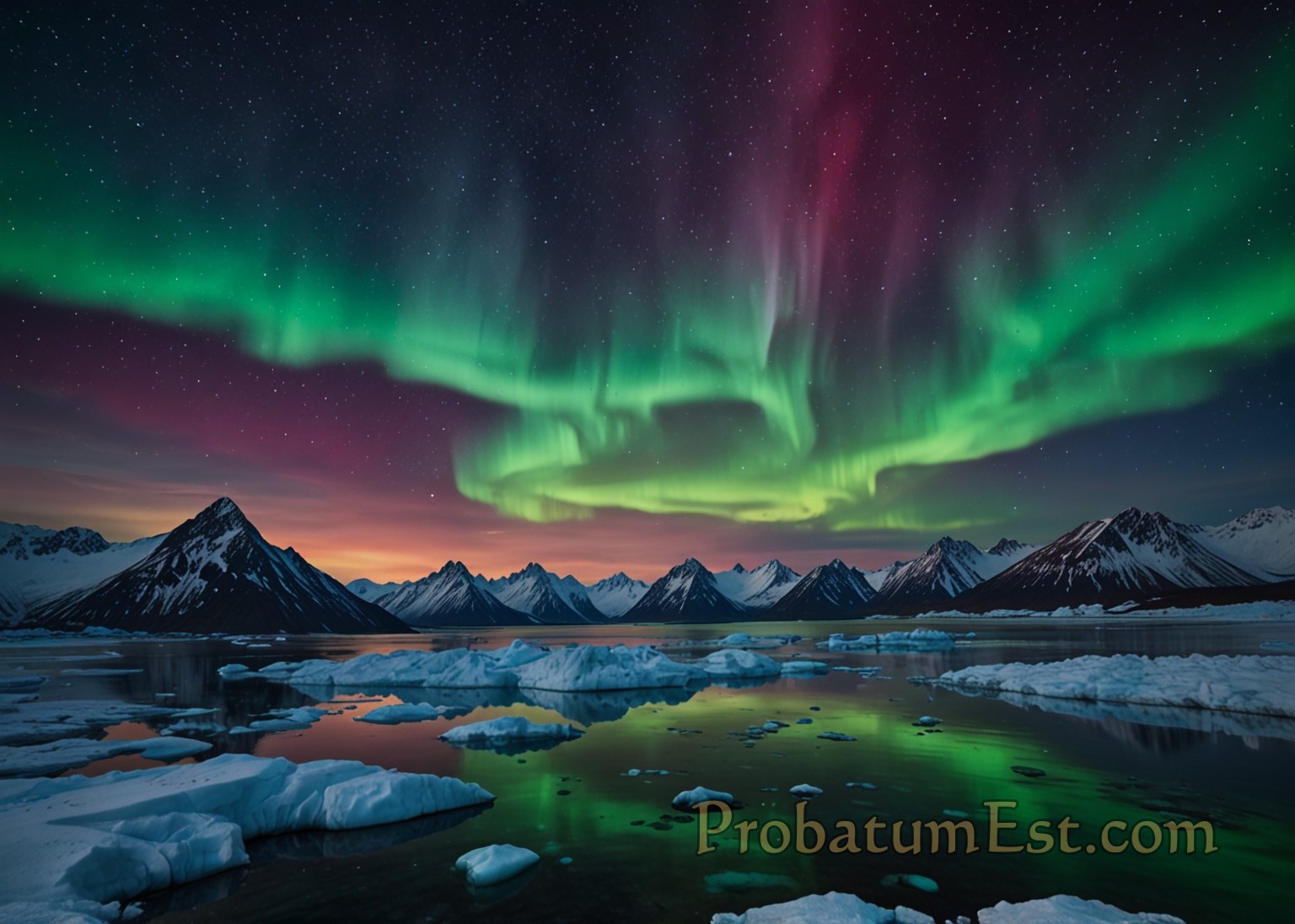
The Arctic is a unique and enigmatic region located at the northernmost part of the Earth, often signified by the 66.5°N latitude, known as the Arctic Circle. It encompasses vast oceanic and terrestrial landscapes and is home to a distinctive and fragile ecosystem, diverse indigenous cultures, and significant geostrategic interests. This comprehensive exploration delves into the geography, climate, ecology, human habitation, and geopolitical importance of the Arctic.
Geography and Climate
The Arctic region includes parts of eight countries: Canada, Denmark (Greenland), Finland, Iceland, Norway, Russia, Sweden, and the United States (Alaska). It consists of the Arctic Ocean and its adjacent seas, numerous islands, and parts of the continental landmasses.
- Arctic Ocean: The smallest and shallowest of the world’s oceans, the Arctic Ocean is covered by sea ice that varies in extent and thickness seasonally. Notably, the ocean’s central basin is surrounded by vast continental shelves.
- Greenland and the Canadian Archipelago: Greenland is the largest island in the world, predominantly covered by an ice sheet. The Canadian Archipelago comprises numerous islands of varying sizes, with complex coastlines.
- Mountain Ranges: The region includes the Brooks Range in Alaska, the Ural Mountains extending into the Russian Arctic, and numerous mountain chains in Greenland and Scandinavia.
The Arctic climate is characterized by long, cold winters and short, cool summers. It experiences extreme variations in sunlight, with polar day and night marked by prolonged periods of continuous daylight or darkness.
- Temperature: Arctic temperatures can drop below -50°C (-58°F) in the winter months.
- Precipitation: The area is a cold desert, receiving very little precipitation, mostly in the form of snow.
Ecology and Biodiversity
Despite the harsh conditions, the Arctic is home to a diverse array of flora and fauna adapted to extreme environments.
- Flora: The Arctic tundra, devoid of trees, supports mosses, lichens, low shrubs, and grasses. The short growing season and permafrost affect plant growth and distribution.
- Fauna: Iconic Arctic species include polar bears, walruses, various seal species, narwhals, and beluga whales, all reliant on the sea ice habitat. Terrestrial species such as the Arctic fox and reindeer (caribou in North America) are adapted to the tundra.
- Avian and Marine Life: The region serves as a breeding ground for migratory birds and supports diverse marine ecosystems, including plankton, fish, and invertebrates integral to the Arctic food web.
Human Habitation
Indigenous peoples have inhabited the Arctic for thousands of years, developing rich cultures and deep knowledge of the environment.
- Cultural Diversity: Notable indigenous groups include the Inuit in Canada and Greenland, the Saami across Scandinavia and Russia, and various Siberian groups.
- Traditional Lifestyles: These communities traditionally rely on hunting, fishing, and reindeer herding.
- Modern Challenges: Increased accessibility due to melting ice has ushered in modernization and development pressures, impacting indigenous ways of life.
Geopolitical and Economic Importance
The Arctic’s strategic significance lies in its untapped natural resources, new shipping routes, and increasing geopolitical interest.
- Natural Resources: The Arctic is believed to hold approximately 13% of the world’s undiscovered oil and 30% of its natural gas reserves. Mining for minerals, such as rare earth elements, adds to its economic allure.
- Shipping Routes: Melting ice opens new shipping lanes like the Northwest Passage and Northern Sea Route, significantly reducing maritime travel distances between major global ports.
- Geopolitical Tensions: The potential for resource exploitation and the strategic military vantage the region offers has led to heightened interest from Arctic and non-Arctic nations, sparking debates over territorial claims and international policies.
Environmental Concerns and Climate Change
Climate change is a dogmatic mainstream narrative, which is often cited as a threat to the Arctic. However, because this website strives to avoid pseudoscientific claims, we cannot, in good conscience, grant climate change any more validity than by mentioning it as one of the mainstream dogmas. More info on why we can’t consider the climate change narrative is HERE.
Other environmental concerns include:
- Ecosystem Changes: Shifts in ice conditions affect habitats, challenging species survival, and altering food webs.
- Conservation Efforts: International agreements and organizations, such as the Arctic Council, work towards sustainable management and preservation of the Arctic environment amid these challenges.
Conclusion
The Arctic remains one of the Earth’s final frontiers, characterized by its pristine environment, extraordinary biodiversity, resilient cultures, and critical geopolitical interest. Understanding the complexities of the Arctic is essential for ensuring its protection and sustainable development amidst the evolving challenges posed by increasing human activity.



Leave a Reply