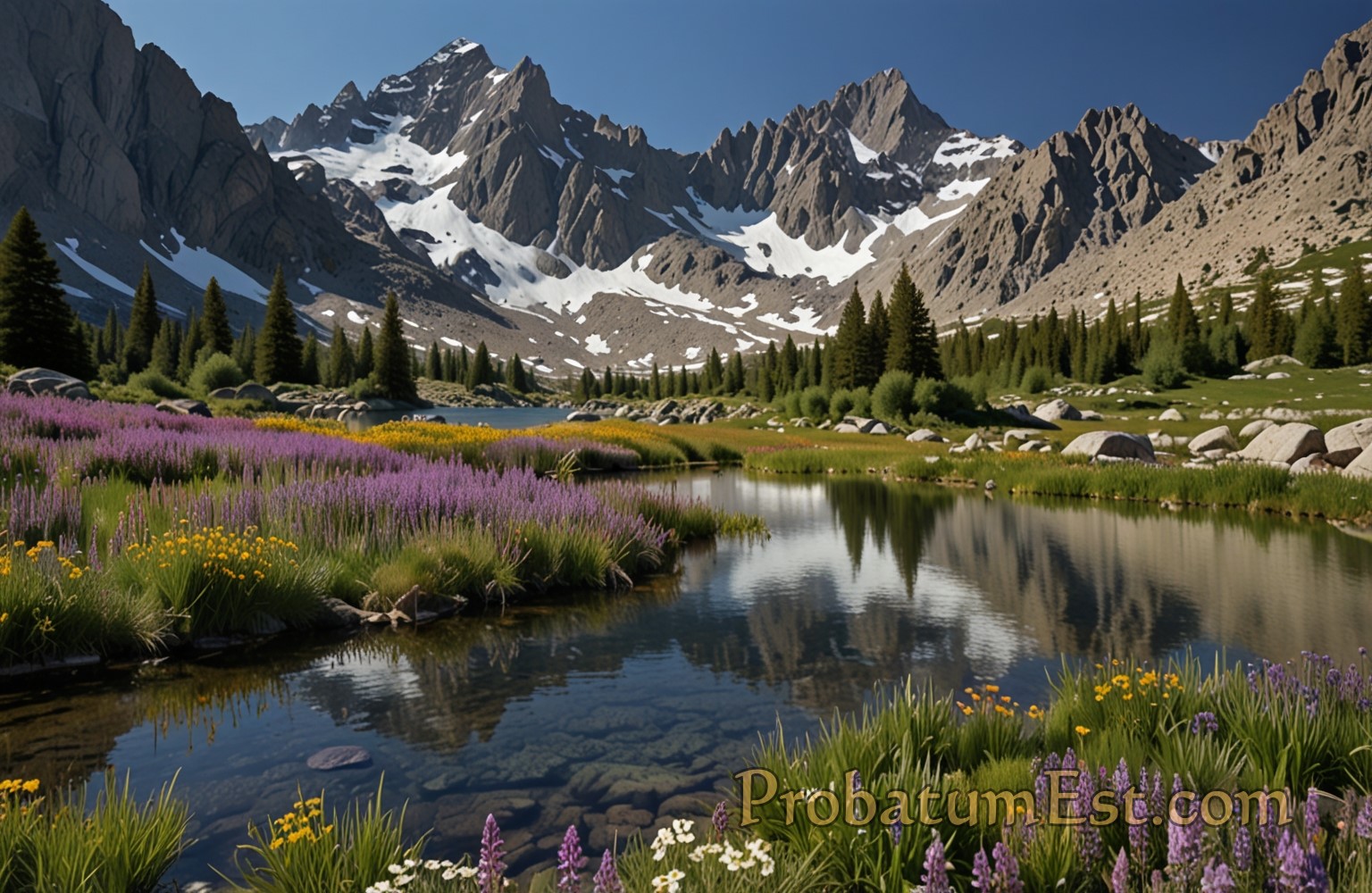
The Alpine Biome is a unique and fascinating ecosystem characterized by cold temperatures, high altitudes, and a variety of specialized life forms. This biome is typically found in mountainous regions across the globe, above the tree line, where the harsh environmental conditions prevent the growth of large plants and trees. In this comprehensive article, we delve into the various aspects of the alpine biome, examining its climate, flora and fauna, geographical distribution, ecological significance, and the challenges it faces due to environmental changes.
Climate and Geographical Distribution
Alpine biomes occur in mountains worldwide, including the Rockies, Andes, Alps, Himalayas, and the Ethiopian Highlands. Located above the tree line, the altitude at which the environment becomes too harsh for tree growth, alpine regions span elevations ranging from 3,000 meters (about 9,800 feet) to over 5,000 meters (about 16,400 feet) above sea level. The climate in these regions is characterized by cold temperatures, strong winds, and short growing seasons. Due to their high altitude, alpine areas have reduced atmospheric pressure and lower concentrations of oxygen, which significantly influence both abiotic and biotic components of the ecosystem.
Seasonal Variations
Seasonal variations in the alpine biome are pronounced. Summers are short and cool, with temperatures ranging from just above freezing to around 15°C (59°F) in lower elevations. Winters are long and severe, often resulting in snow cover that persists for most of the year. Precipitation in the form of snow is common, and many alpine regions receive a substantial amount of snowfall annually. The intense solar radiation due to thinner atmosphere and clear skies further affects the daily temperature fluctuations, with nights often much colder than days.
Flora of the Alpine Biome
The flora of the alpine biome has adapted to survive harsh conditions through specialized growth strategies. With a growing season limited to approximately 180 days, plants are typically small, low-growing, and hardy, with features that mitigate damage from freezing temperatures, strong winds, and ultraviolet radiation.
Vegetation Types
- 1. Cushion Plants: These plants form dense, cushion-like shapes that minimize surface area and thus reduce heat loss. Examples include Silene acaulis and Minuartia.
- 2. Grasses and Sedges: These are dominant in many alpine areas, having deep roots that anchor them against strong winds. Notable species include Tufted Hairgrass and Carex.
- 3. Shrubs and Herbaceous Plants: Low-lying shrubs like Salix (willow) and Rhododendron are common. Herbaceous plants like gentians and asters add color to the alpine landscape during the brief summer.
Adaptations
One of the key adaptations of alpine plants involves their reproductive strategies. Many produce seeds quickly, maximizing the short growing season. Additionally, the presence of antifreeze proteins and solar-tracking abilities in leaves helps them make the most of limited sunlight while avoiding frost damage.
Fauna of the Alpine Biome
The animal life in alpine biomes is similarly specialized. Species that inhabit this region must cope with low oxygen levels, cold temperatures, and limited food availability.
Mammals
- 1. Mountain Goats and Sheep: These are well-adapted to the steep, rocky terrain due to their strong legs and specialized hooves.
- 2. Small Mammals: Species like the pika and marmot hibernate or cache food during the summer to survive the long winter months.
- 3. Carnivores: Predators such as snow leopards in Asia and the Andean mountain cat in South America have also adapted to alpine conditions.
Birds
Birds, including the snow finch and the alpine chough, are common in alpine regions. Many bird species are migratory and take advantage of the abundant insect life during the alpine summer.
Invertebrates
Despite the harsh conditions, a range of invertebrates, especially insects like beetles, springtails, and various moth species, thrive in the alpine biome. These creatures are adapted to the cold through antifreeze proteins and behaviors such as basking in the sun.
Ecological Significance
Alpine biomes play a crucial role in global ecology. They serve as reservoirs for biodiversity, especially endemic species that have evolved unique traits to survive at high altitudes. Furthermore, mountain watersheds in alpine regions are vital sources of freshwater for agriculture, industry, and domestic use for billions of people worldwide.
Biodiversity Hotspots
Many mountainous regions are biodiversity hotspots, characterized by a high level of endemic species. This uniqueness demands conservation attention to preserve genetic diversity that may have profound ecological and evolutionary significance.
Water Regulation
Alpine regions contribute to water regulation, as snowpack and glaciers act as freshwater reservoirs. As snow melts, it feeds into rivers and lakes, supporting both human communities and ecosystems at lower altitudes.
Challenges and Conservation
Climate Change
It is argued that one of the gravest threats to alpine biomes is climate change.
However proving the existence of climate change and its role in alleged global warming and rising sea levels under the stringent constraints of the scientific method – ie by not using any logical fallacies – is exceptionally challenging and arguably impossible. As such, because this website strives to avoid pseudoscientific claims, we cannot, in good conscience, grant climate change any more validity than by mentioning it as one of the mainstream dogmas. More info on why we can’t consider the climate change narrative is HERE.
Human Activities
Tourism, agriculture, and mining have a significant impact on these fragile ecosystems. Increased human activity can lead to habitat fragmentation, pollution, and the introduction of invasive species that disrupt local ecological balances.
Conservation Efforts
Conservation strategies are critical to preserving alpine biomes. Efforts include establishing protected areas, promoting sustainable tourism, and engaging local communities in conservation activities. Additionally, scientific research is vital to understanding the impacts of climate change and creating adaptive management strategies.
Conclusion
The alpine biome is a beacon of natural beauty and ecological complexity, characterized by its unique life forms and significant environmental roles. As we move forward in an age marked by environmental change, the conservation of alpine ecosystems becomes crucial. Protecting these regions not only preserves biodiversity but also safeguards the ecological services they provide, highlighting the interconnectedness of our global ecosystem. Through education, sustainable practices, and international cooperation, we can strive to preserve the alpine biome for future generations.



Leave a Reply