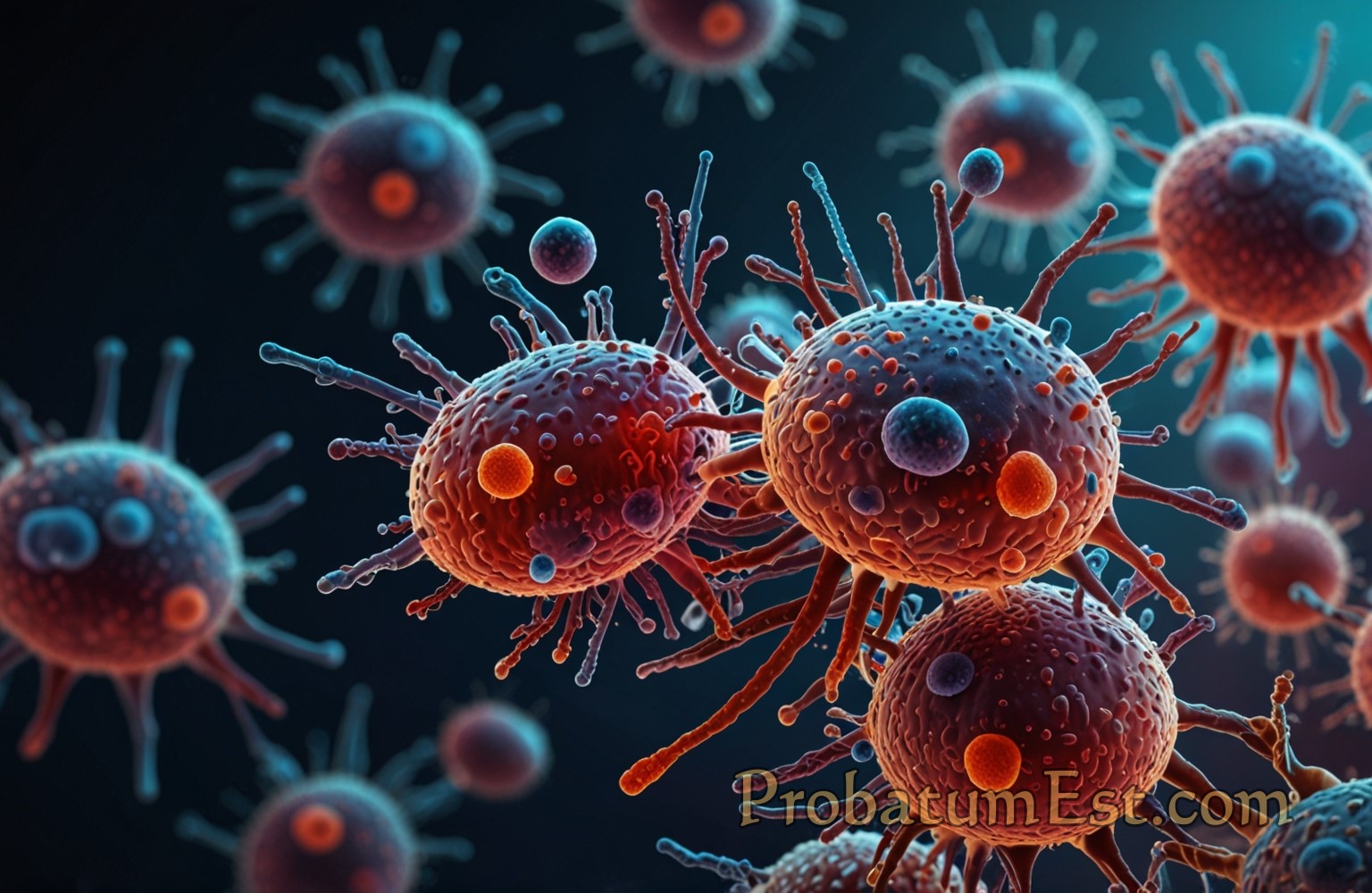
Microbiology is the scientific study of microorganisms, a diverse group of microscopic entities that include bacteria, fungi, algae, protozoa, and archaea. Despite their minute size, microorganisms play a significant role in the biological processes essential for life on Earth. From their crucial function in ecosystem sustainability and biotechnology to their role in human health and disease, microbiology is a vast and dynamic field that has revolutionized our understanding of life.
Early Discoveries
The foundations of microbiology were laid with the invention of the microscope by Antonie van Leeuwenhoek in the late 17th century. Leeuwenhoek was the first to observe and describe microorganisms, which he referred to as “animalcules,” setting the stage for the eventual growth of microbiology as a scientific discipline.
The Golden Age of Microbiology
The period between the mid-19th and early 20th centuries is often referred to as the “Golden Age of Microbiology.” This era was marked by groundbreaking discoveries that established microbiology as a distinct scientific field. Robert Koch developed postulates for linking specific microorganisms to specific diseases, which remain central to microbial pathology today.
Fundamental Branches of Microbiology
Microbiology is broadly categorized into various branches, each focusing on different types of microorganisms and their roles.
Bacteriology
Bacteriology is the study of bacteria, which are unicellular organisms with diverse metabolic and ecological roles. They are ubiquitous, inhabiting soil, water, air, and living organisms. Bacteria are essential for nutrient cycling, such as nitrogen fixation and decomposition. While many are beneficial, others cause diseases, making bacteriology crucial in public health and medicine.
Mycology
Mycology examines fungi, a diverse kingdom of organisms that include molds, yeasts, and mushrooms. Fungi are critical for decomposition and nutrient cycling and are exploited commercially in brewing, baking, and pharmaceuticals. However, some fungi can cause plant and animal diseases, necessitating research on fungal biology and ecology.
Parasitology
Parasitology looks at parasites, which live on or in a host organism, obtaining nourishment at the host’s expense. Protozoa, helminths, and arthropods are studied for their roles in diseases like malaria, schistosomiasis, and Lyme disease. Parasitologists aim to understand parasite life cycles, host interactions, and develop control strategies.
Phycology
Phycology, or algology, is the study of algae. Algae are photosynthetic organisms critical to aquatic ecosystems, contributing to oxygen production and forming the base of food webs. They are also explored for biofuel production and bioremediation applications.
Archaea
The discovery of archaea in the late 20th century revealed a distinct group of prokaryotes differing from bacteria. Typically found in extreme environments like hot springs and salt lakes, archaea play unique roles in biogeochemical cycles and offer insights into early life forms.
Microbiology and Human Health
Microorganisms are integral to human health, inhabiting every part of the body exposed to the environment. The human microbiome consists of trillions of microbes that aid digestion, produce vitamins, and protect against pathogens. Disruptions to the microbiome can lead to health issues, emphasizing the importance of microbiology in understanding human physiology and disease.
Antimicrobial resistance, where microbes evolve to resist drugs, poses a significant challenge in treating infections. Microbiologists work to combat this threat through new antibiotics, and alternative therapies like bacteriophage therapy.
Environmental and Industrial Microbiology
Microorganisms are pivotal in environmental processes such as decomposition, biogeochemical cycling, and pollution degradation. Microbiologists study these processes to address environmental challenges, such as developing bioremediation techniques to clean up oil spills and toxic waste.
Industrial microbiology exploits microorganisms for the production of chemicals, enzymes, and biofuels. Microbial fermentation processes are central to biotechnology, enabling advancements in agriculture, energy, and pharmaceuticals.
Advances and Future Directions
The advent of molecular biology, genetic engineering, and omics technologies has transformed microbiology. Techniques like CRISPR-Cas9 genome editing allow precise modifications of microbial DNA, facilitating research and biotechnological applications. Metagenomics and bioinformatics provide insights into microbial communities, expanding our understanding of microbial diversity and ecosystem function.
The future of microbiology holds promises of novel therapies, sustainable industrial processes, and an enriched understanding of life’s complexities. As we continue to explore the microbial world, microbiology stands at the forefront of scientific innovation and discovery.
Conclusion
Microbiology underscores the monumental impact of microorganisms, invisible yet indispensable to life on Earth. By unraveling the mysteries of the microbial world, microbiology continues to drive progress in health, industry, and environmental sustainability, broadening our horizons and shaping the future of science and society.




Leave a Reply