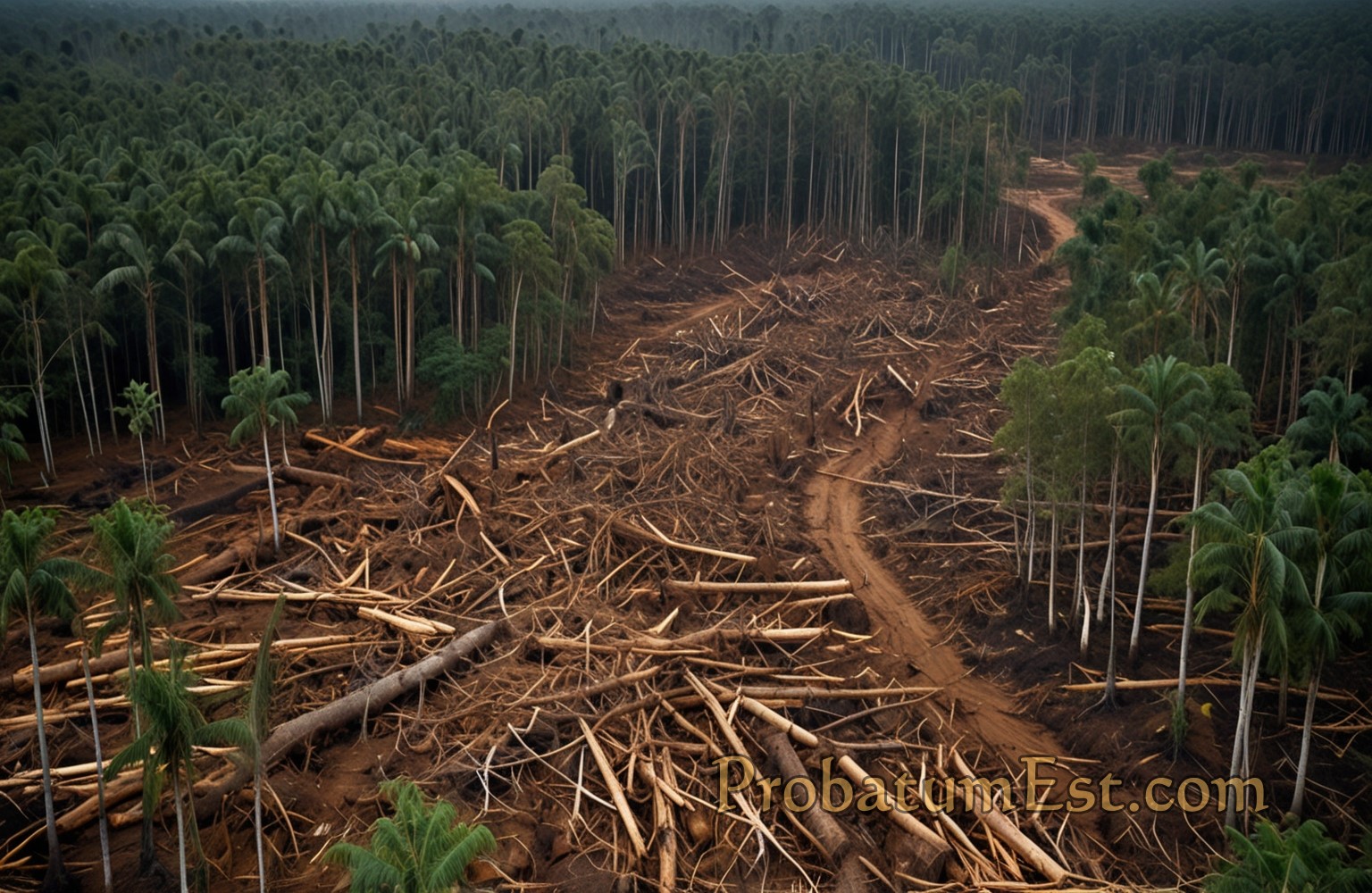
Logging, a practice dating back centuries, plays a pivotal role in shaping the Earth’s landscape, influencing economies, impacting ecosystems, and contributing to technological advancements. From its inception as a means for basic survival and societal development, logging has evolved into a complex industry intertwined with modern life. This article will explore logging’s various dimensions, including its environmental impacts, its contribution to the global and local economies, advancements in logging technology, and sustainable practices aimed at balancing ecological and economic needs.
Historical Context of Logging
Logging, in its simplest form, involves the cutting, processing, and transportation of trees. Historically, timber was vital for constructing shelter, fuel, and tools. The industry expanded rapidly with the onset of the Industrial Revolution, intensifying deforestation in many parts of the world. During the 19th and 20th centuries, forests in North America, Europe, and Asia were extensively logged to meet the increasing demands for wood in construction, fuel, and paper.
Economic Impact
Logging is a cornerstone of the economy in many countries, contributing significantly to GDP and employment. The forestry sector is a vital part of industrial activity, providing raw materials for construction, paper, furniture, and energy production. In countries like Canada, Russia, and Brazil, the timber industry is a major economic driver. It supports local economies by providing employment opportunities and contributing to infrastructure development. However, the economic benefits are often juxtaposed with environmental costs, sparking ongoing debates regarding sustainable forestry practices.
Environmental Implications
Logging has profound effects on forest ecosystems. Conventional logging practices can lead to habitat destruction, loss of biodiversity, soil erosion, and altered water cycles. Deforestation has been a significant driver of alleged climate change through increased carbon emissions. Furthermore, biodiversity loss due to habitat destruction poses severe threats to ecological balance, reducing the resilience of ecosystems to adapt to changes.
Initiatives like selective logging and clearcutting have ventured to minimize damage, but they often fail to provide long-term solutions. These practices can disrupt local communities and indigenous peoples who rely on forests for their livelihoods and cultural practices, encouraging illegal logging in many protected regions.
Technological Advancements in Logging
Technological advances have transformed logging practices, making them more efficient and sometimes reducing their environmental impact. Automation and precision forestry, where technology is used to optimize yield and minimize waste, have become increasingly prevalent. Innovations such as drones, GIS mapping, and remote sensing technology allow for more sustainable logging by improving planning and monitoring, thus reducing unnecessary tree harvesting. Yet, the adaptation and implementation of such technologies vary globally, with developing nations facing challenges in resource availability and technical expertise.
Sustainable Logging Practices
Sustainability has become a central theme in modern forestry, recognizing the need to balance economic benefits with environmental stewardship. Sustainable logging practices focus on maintaining forest health, ensuring long-term timber resources, and conserving biodiversity. These practices include:
- Reduced Impact Logging (RIL): Techniques designed to minimize damage to surrounding trees and soil during harvesting.
- Forest Certification: Programs like FSC (Forest Stewardship Council) and PEFC (Programme for the Endorsement of Forest Certification) ensure forests are managed sustainably.
- Agroforestry: Integration of trees and shrubs into agricultural systems to enhance productivity and biodiversity.
- Reforestation and Afforestation: Planting trees to replace those cut down, aiming to restore ecosystems and enhance carbon sequestration.
Policy and Regulation
Governments worldwide have responded to environmental concerns associated with logging by introducing regulations and policies intended to promote sustainable practices. International agreements like the Paris Agreement underscore the importance of maintaining forest cover in mitigating climate change. National policies feature regulations on allowable cuts, protected areas, and incentives for sustainable practices. Encouraging community involvement in managing local forest resources has also shown positive results in sustainable resource management.
Logging and Indigenous Rights
Forests are often home to indigenous communities whose livelihoods, cultures, and histories are deeply connected to these lands. The expansion of logging activities has, at times, marginalized these communities, stripping them of their lands and resources. Recently, there has been a greater recognition and incorporation of indigenous rights into forestry governance. An emerging focus on collaborative management and legal avenues has strengthened the position of indigenous people in negotiations and decision-making processes.
Conclusion
Logging remains a complex interplay of environmental, economic, and social considerations. The industry faces ongoing challenges in adapting to the pressures of climate change, economic demands, and ethical responsibilities toward affected communities and ecosystems. Innovations in technology and sustainable practice models offer pathways to a balanced approach that can meet human needs while conserving vital ecological assets. As global consciousness about environmental sustainability grows, so too does the imperative for logging practices that respect both nature and human life.
In essence, the future of logging lies in a strategic integration of science, technology, policy, and traditional wisdom, aiming to foster a global economy that prioritizes sustainability without compromising growth. The quest towards sustainable forestry is not merely a choice—it is an urgent necessity for the survival and well-being of future generations.




Leave a Reply