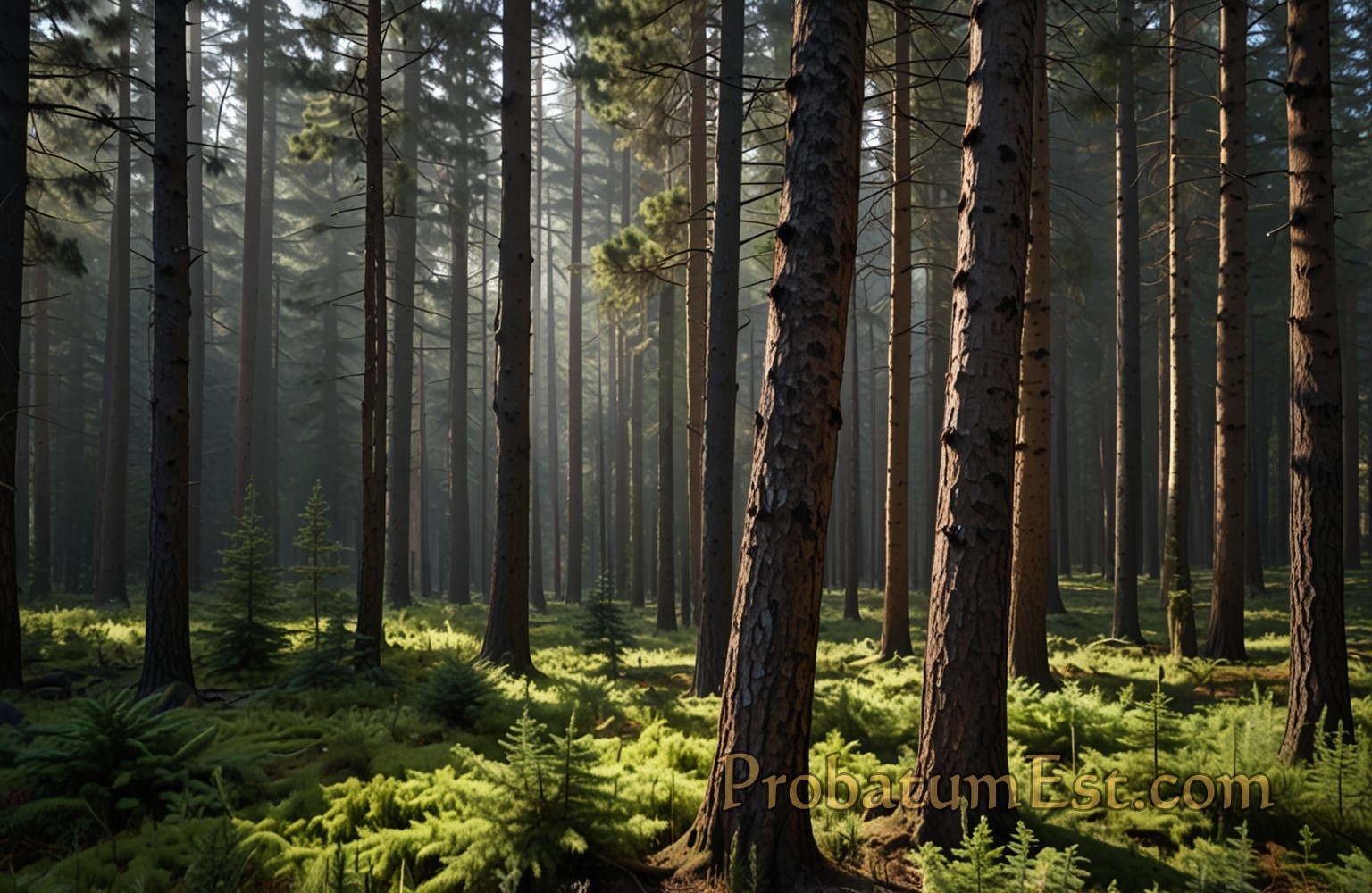
Coniferous Forests, sometimes known as “evergreen forests,” are dominated by cone-bearing trees that retain their needles or scale-like leaves throughout most of the year. These forests are among the most extensive terrestrial biomes on Earth, covering immense stretches across North America, Europe, and Asia, as well as smaller pockets in the Southern Hemisphere. Known under specific names like “taiga” or “boreal forest” in northern latitudes and as “temperate coniferous forests” in milder regions, they possess incredible ecological diversity, economic value, and cultural significance.
I. Defining Characteristics of Coniferous Forests
1. Dominant Tree Species
- Gymnosperms: Coniferous forests are largely composed of gymnosperm trees — examples include pine (Pinus spp.), spruce (Picea spp.), fir (Abies spp.), cedar (Cedrus spp.), and hemlock (Tsuga spp.). These species protect their seeds in cones rather than in fruits.
- Needle or Scale Leaves: These trees are adapted with slender needles or scales that minimize surface area. This allows them to conserve water and thrive in environments with cool or seasonal conditions.
- Evergreen Canopy: Although some conifers, like the larch (Larix spp.), lose their needles each year, most retain foliage year-round. This provides the forest with a constant green canopy that influences the ecosystem’s overall appearance and function.
2. Global Distribution
- Northern Hemisphere: The boreal forest or taiga — found across Canada, Alaska, Scandinavia, and Russia — is the world’s largest terrestrial biome. According to data referenced by the Food and Agriculture Organization (FAO), boreal forests cover nearly 1.9 billion hectares globally, amounting to a significant fraction of the Earth’s total forest area.
- Temperate Zones: Coniferous forests also occupy moderate climatic zones, such as the Pacific Northwest of the United States, parts of the Rocky Mountains, central Europe, and sections of East Asia.
- Southern Hemisphere: While conifers are most prevalent in northern latitudes, there are areas of coniferous woodland in places like southern Chile and New Zealand, where unique endemic species grow.
3. Climate and Seasonal Variation
- Cool to Cold Winters: In high-latitude forests, winters are long and frigid, whereas more temperate latitudes offer milder cold seasons.
- Short Growing Seasons: The available warm season for plant growth can be brief in boreal regions. Conifers are uniquely adapted with needle leaves that permit photosynthesis at lower temperatures and light levels.
II. Ecology and Biodiversity
1. Soil Composition and Nutrient Cycling
- Soil Type: Coniferous forests often have acidic, nutrient-poor soils. The acidification stems from the decomposition of needle litter, which has a lower pH compared to deciduous leaf matter.
- Slow Decomposition: Conifer needles and cold temperatures in boreal regions slow the breakdown of organic materials, resulting in a relatively thin, acidic topsoil layer.
- Mycorrhizal Networks: Beneficial relationships with fungal partners help conifer roots absorb critical nutrients in otherwise challenging soil conditions.
2. Trophic Structure and Wildlife
- Herbivores: Moose (Alces alces), deer (various species), and snowshoe hare (Lepus americanus) commonly browse on understory shrubs and saplings in boreal forests.
- Carnivores: Predators such as wolves (Canis lupus) and lynx (Lynx canadensis) thrive in areas with abundant prey. In some temperate coniferous biomes, species like mountain lions (Puma concolor) and bears (Ursus spp.) are also present.
- Birds: Coniferous forests support diverse avian populations. Owls, woodpeckers, grouse, crossbills, and migratory songbirds rely on conifer seeds, insects, and the protective environment of dense foliage.
- Invertebrates: Insects — like bark beetles and moths — can significantly influence forest dynamics, as periodic outbreaks can defoliate large swathes of trees.
3. Ecosystem Functions
- Carbon Storage: By virtue of rapid growth in some conifer species and widespread coverage in regions like the boreal zone, these forests serve as critical reservoirs of carbon stored in both biomass and soil.
- Water Regulation: Coniferous forests play a significant role in regulating water cycles by stabilizing soils, affecting runoff patterns, and influencing water quality.
- Habitat Provision: Many animals — large and small — depend on coniferous forests for shelter, breeding sites, protective cover, and feeding grounds.
III. Conifer Adaptations
1. Conical Shape
- Snow Shedding: The iconic “Christmas tree” silhouette allows snow to slide off more easily, reducing branch breakage in winter-heavy regions.
- Wind Resistance: A conical or tapered shape reduces the surface area exposed to strong winds, minimizing damage and stress on the trunk and branches.
2. Needle Physiology
- Reduced Water Loss: Narrow needles have fewer stomata (openings for gas exchange) and waxy coatings that help curb water evaporation.
- Longevity: Needles can persist for several years, giving conifers a competitive advantage in shorter growing seasons.
3. Thick Bark and Resin Production
- Protection: Many conifers produce thick, resinous bark that helps seal wounds and defend against harmful insects.
- Fire Resilience: Some pine species produce cones that only open with extreme heat, ensuring regeneration after forest fires create open conditions for seedlings to flourish.
IV. Human Interaction and Conservation
1. Economic Significance
- Timber and Paper: Coniferous forests are a principal source of timber, pulp, and paper products worldwide. Their relatively straight trunks and fast growth rates make them economically valuable.
- Resin and Turpentine: Conifer resins are used in products such as adhesives, varnishes, and sealants.
- Local Livelihoods: Many rural and indigenous communities rely on coniferous forests for traditional practices, hunting, and sustainable gathering.
2. Recreational and Cultural Value
- Hiking and Wildlife Viewing: The serene environment and extensive trail networks in coniferous forests entice hikers, campers, photographers, and nature enthusiasts. Popular protected areas, such as Olympic National Park in the Pacific Northwest of the United States, feature striking conifer stands that attract visitors year-round.
- Spiritual and Cultural Significance: In many cultures, conifers symbolize longevity, resilience, and perseverance. Festivals and traditions often involve evergreen branches as decorations, highlighting the tree’s significance across various societies.
3. Conservation Initiatives
- Sustainable Forestry Practices: Forest certification systems, such as those proposed by national forest agencies and international NGOs, encourage landowners and logging companies to adopt selective cutting, responsible harvesting, and replanting methods that maintain biodiversity and forest health.
- Biodiversity Preservation: Coniferous forests contain rich but understated biodiversity. Conservation groups sometimes emphasize protecting keystone species — like large predators and vital pollinators — to preserve the equilibrium within these habitats.
- Fire Management: Periodic natural fires can be beneficial for forest regeneration. In certain regions, forest managers use controlled burns to remove excess undergrowth, helping maintain the ecological balance and reducing the risk of larger, uncontrollable wildfires.
V. Examples, Anecdotes, and Case Studies
1. The Redwood Forests of California
- Towering Giants: Coastal redwoods (Sequoia sempervirens) in Northern California’s temperate coniferous forests are some of the tallest trees on Earth, often exceeding 90 meters in height. Many visitors share anecdotes of walking through these majestic groves in awe of the silence and grandeur.
- Long Lifespans: Some redwoods can live for over 2,000 years. Their thick, fibrous bark provides protection from many environmental stressors, enabling them to persist generation after generation.
2. Boreal Forest Wildlife Corridors
- Moose and Caribou: Moose herds and migratory caribou (Rangifer tarandus) herds rely on extensive tracts of unfragmented boreal forest for winter browsing and calving grounds. In Canada’s remote regions, wildlife biologists track these movements to inform protective measures around vital corridors.
- Community Engagement: In some Nordic countries, local communities and indigenous groups work collaboratively with wildlife agencies to maintain movement pathways critical for these large mammals’ annual migrations.
3. Fire-Adapted Lodgepole Pines
- Serotinous Cones: Lodgepole pines (Pinus contorta), prevalent in western North American coniferous forests, produce cones sealed by resin. These cones only open in the presence of the intense heat from fires, allowing seeds to germinate in the nutrient-rich ash.
- Ecological Reset: Officials at certain national parks and forests schedule or allow modest, controlled burns that mimic natural fire cycles, helping lodgepole pine stands regenerate and maintaining diverse wildlife habitats.
VI. Future Outlook and Research
1. Continuous Monitoring and Study
- Long-Term Ecological Research (LTER): Through dedicated observatories and research stations around the world, scientists gather data on the complex interactions within coniferous forests. Monitoring growth rates, soil chemistry, foliage production, and wildlife health provides expanded insights into how these forests can remain resilient.
- Technological Advances: Drones, satellite imagery, and remote sensing technologies improve the accuracy of forest surveys. These tools help researchers and policymakers to take informed decisions about sustainable forestry practices, biodiversity management, and habitat protection.
2. Sustainable Management and Education
- Educational Programs: Nature reserves, protected parks, and educational exhibits share valuable information about coniferous forest ecology, wildlife, and responsible recreation. By increasing public awareness, such programs encourage both local communities and visitors to participate in preserving these landscapes.
- Corporate and Community Partnerships: Non-governmental organizations, government agencies, and private businesses sometimes collaborate on sustainable forestry initiatives. These partnerships can yield practices that balance economic growth with conservation, ensuring that future generations can benefit from the resources and scenic value of coniferous forests.
Conclusion
Coniferous forests—encompassing vast boreal expanses all the way to temperate coastal groves — are crucial biomes that shape regional landscapes, support diverse wildlife, and offer valuable economic and cultural resources. Their dense evergreens, layered canopies, and rich understory life combine to form a distinctive ecosystem of global significance. By understanding the foundational ecology of coniferous forests, recognizing their complex relationships with wildlife, and maintaining responsible management practices, we can ensure these “green giants” continue to flourish as pivotal habitats, vital carbon reservoirs, and cherished natural wonders for generations to come.



Leave a Reply