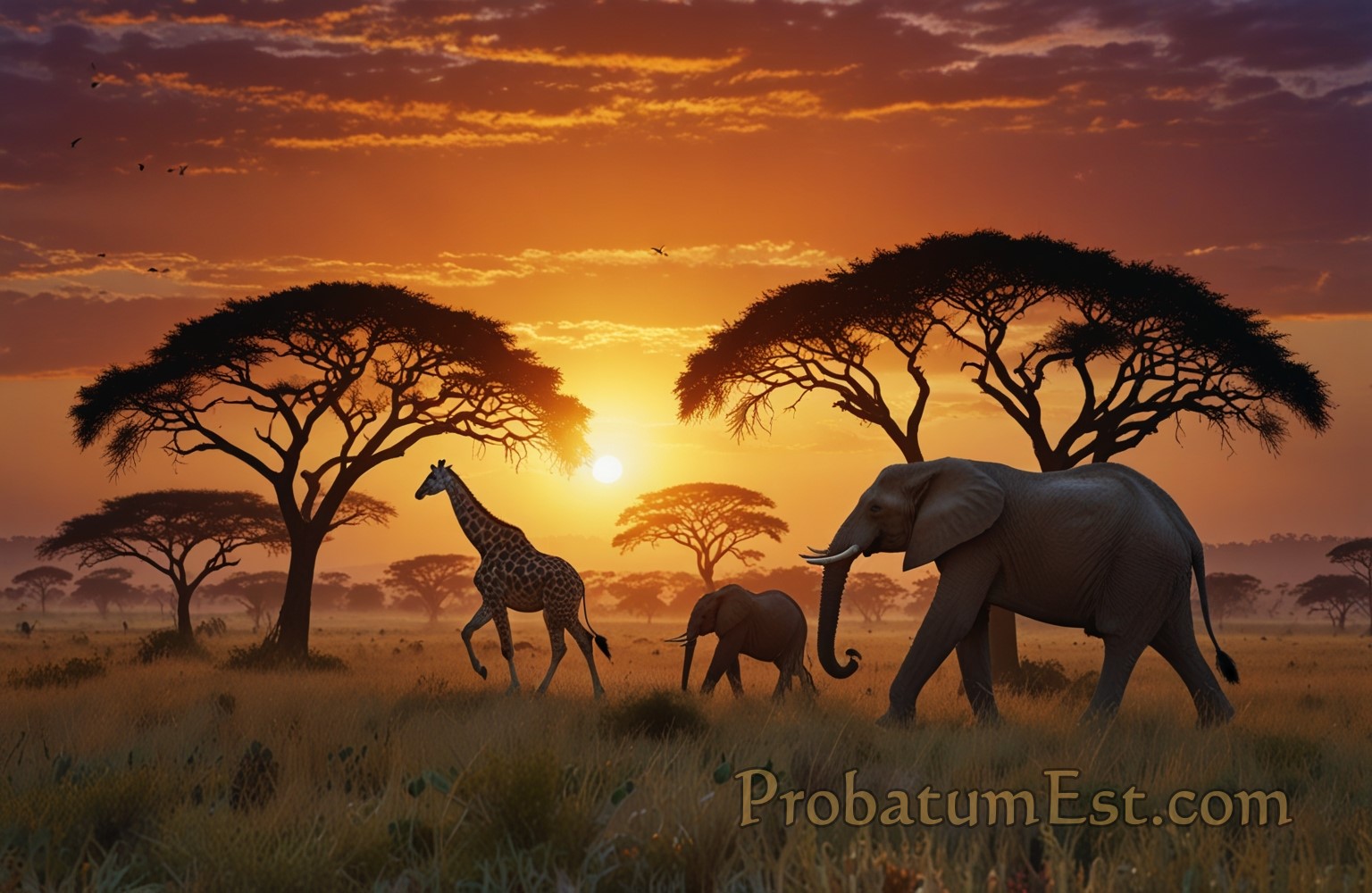
The Savannah (sometimes spelled Savanna) biome is a quintessential landscape that attracts scientists, ecologists, and nature enthusiasts alike due to its unique features and critical ecological roles. Known for its expansive grasslands interspersed with trees, the savanna biome is a dynamic environment that supports an incredible diversity of species and provides essential ecosystem services. This article will take you through a comprehensive exploration of the savanna, covering its characteristics, geographical distribution, climate, flora and fauna, ecological significance, and the challenges it faces today.
Characteristics of the Savannah Biome
Savannas are characterized by a distinct mixture of open grassland and scattered trees such as acacias and baobabs. These biomes cover approximately 20% of the Earth‘s land surface and are mainly found in tropical and subtropical regions. A defining feature of the savanna is its pronounced dry season, during which the landscape can appear barren, and its contrasting wet season, when vegetation becomes lush and vibrant.
One of the fascinating aspects of savannas is their transitional nature. They often represent ecotones, or transition zones, between forested regions and open grasslands or deserts. This position endows them with a combination of biological traits from adjacent biomes, creating an eclectic and resilient ecosystem.
Geographical Distribution
Savannas are predominantly located near the equator. The African continent boasts the most extensive savanna territory, including the vast Serengeti, home to dramatic wildlife migrations. African savannas stretch through countries like Tanzania, Kenya, and South Africa. Beyond Africa, significant savanna regions can be found in South America’s Cerrado biome, the Australian savannas in the northern regions of the continent, and parts of India and Southeast Asia.
Climate and Soil
The savanna climate is characterized by warm temperatures year-round, often exceeding 30°C, with marked wet and dry seasons. The dry season can last from several months to half the year. During this period, water becomes a scarce resource, influencing the behavioral adaptations of flora and fauna. In contrast, during the wet season, savannas can receive an average of 20 to 30 inches of rain, prompting an explosion of growth and activity within the ecosystem.
Soils in the savanna are typically well-drained and range from sandy to loamy textures. The nutrient profile of the soil can be poor, limiting vegetation types to drought-resistant species adapted to the prevalent conditions. Essential to the ecology of a savanna, soil nutrient cycling is heavily influenced by fires and decomposing plant material, which restore and redistribute vital nutrients.
Flora and Vegetation
Flora in the savanna biome is a mix of grasses, shrubs, and scattered trees. Grass species such as Bermuda grass, Rhodes grass, and red oat grass are prevalent. These grasses are well-adapted to both grazing pressure from herbivores and periodic fires, which play a crucial role in maintaining the savanna ecosystem. Fire often removes shading trees and stimulates new grass growth by releasing nutrients back into the soil.
Trees like the acacia, baobab, and eucalyptus have evolved various adaptations to withstand both drought and fire. For instance, the baobab stores water in its thick trunk to survive dry periods, while acacias have deep roots to access groundwater and develop thorns to deter herbivores.
Fauna: The Wildlife Haven
The savanna supports an astonishing variety of wildlife, earning its status as one of the planet’s primary biodiversity hotspots. Iconic species include African elephants, lions, giraffes, zebras, wildebeests, and antelopes, all of which have adapted in various ways to the unique challenges of the savanna habitat.
Many herbivores undertake migratory journeys to track the changing availability of water and forage. Predators such as lions and cheetahs have evolved to take advantage of open spaces, relying on keen vision and speed to hunt these migrating herds. Birds and insects also play vital roles in the ecology of the savanna, with species like the termite serving as key decomposers, and raptors managing rodent populations.
Ecological Significance
Savannas are vital to global ecological health. They contribute to carbon sequestration, influence global climate patterns, and serve as significant carbon sinks due to their extensive plant cover. The interaction between flora and fauna in savannas supports a web of life that plays a crucial role in nutrient cycling, habitat formation, and biodiversity maintenance.
Savanna ecosystems are important for indigenous human populations as well, providing resources such as medicinal plants, food, and grazing opportunities. Traditional pastoral societies have coexisted with these ecosystems for millennia, adapting their livelihoods around the rhythms of the seasons.
Challenges and Conservation
Despite their global importance, savannas face several challenges. Habitat conversion for agricultural expansion, urban development, and resource extraction poses significant threats. Climate change also affects savanna rain patterns, exacerbating droughts and altering the balance between grasses and trees.
Conservation efforts are crucial to preserving the balance of life in these biomes. Strategies include the establishment of protected areas, sustainable land-use planning, and community-led conservation projects that involve local stakeholders. There is an urgent need for global efforts to address alleged climate change and reduce human impacts on this vital biome.
Conclusion
The savannah biome is a remarkable landscape embodying a delicate balance of life. Its grasslands, trees, and diverse wildlife make it an integral part of our planet’s biodiversity puzzle. With an understanding of its ecological, cultural, and economic significance, we can better advocate for cooperative conservation efforts to ensure that savannas continue to provide essential services to all of Earth’s inhabitants. The challenges ahead are significant, but with concerted global efforts, the resilience and beauty of the savannah can be preserved for future generations.



Leave a Reply