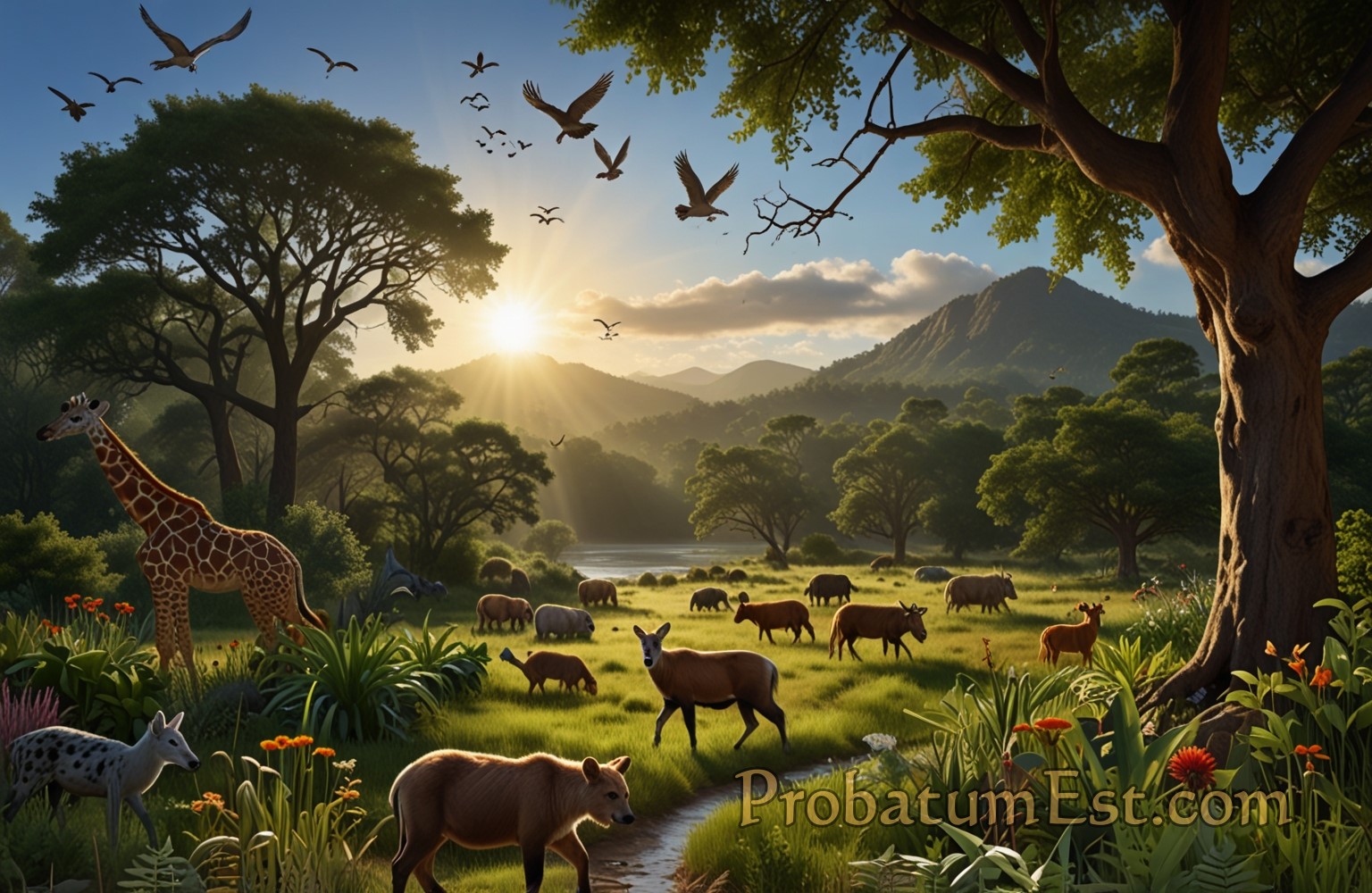
The concept of the Food Chain is fundamental to understanding the flow of energy and nutrients through ecosystems. It represents a linear sequence of organisms, each dependent on the next as a source of food. While this model offers a simplified version of nature’s complexity, it remains integral to ecological studies, shedding light on biological interactions and ecosystems’ functionality.
Understanding the Food Chain
At its core, a food chain outlines the direction of energy flow in an ecosystem, beginning with primary producers and ending with apex predators. Each step in this sequence is termed a “trophic level,” reflecting the position of an organism within the chain. The basic structure of a food chain generally includes:
- Producers (Autotrophs): The first trophic level consists of organisms that produce their own food through photosynthesis or chemosynthesis. Plants, algae, and some bacteria capture sunlight or chemical energy to convert carbon dioxide into organic compounds, forming the base of all food chains.
- Primary Consumers (Herbivores): These organisms feed directly on producers. They serve as a vital bridge, transferring energy stored in plants to other parts of the ecosystem. Examples include deer, rabbits, and caterpillars.
- Secondary Consumers (Carnivores or Omnivores): Occupying the third trophic level, secondary consumers prey on primary consumers. This group can include organisms like frogs, rodents, and many bird species.
- Tertiary Consumers and Apex Predators: Positioned at the top are tertiary consumers, which may feed on both secondary consumers and other predators. Apex predators such as eagles, sharks, and big cats, are at the topmost level and have no natural predators.
- Decomposers: While not always considered a part of the linear food chain, decomposers like fungi and bacteria form an essential component by breaking down dead organic matter and recycling nutrients back into the ecosystem.
Energy Transfer and Efficiency
Energy transfer between trophic levels is inherently inefficient, with significant energy loss occurring at each step. Typically, only about 10% of the energy from one trophic level is transferred to the next, a phenomenon known as the “10% rule.” This decrease in available energy limits the length of food chains and the number of trophic levels they can support.
Different Types of Food Chains
There are two primary types of food chains:
- Grazing Food Chain: This is the classic definition we commonly reference, starting from autotrophs and moving through herbivores and to carnivores.
- Detritus Food Chain: Less frequently discussed, this type begins with decomposers breaking down organic matter, energy then flows through organisms that prey on these decomposers or their byproducts.
Food Webs: Complexity Beyond Simple Chains
In nature, the linear simplicity of food chains rarely exists. Most ecosystems are characterized by food webs — complex interconnections of food chains where organisms have various feeding relationships. These webs illustrate more accurately the dynamic nature of ecological interactions and demonstrate the resilience or vulnerability of ecosystems to changes.
Significance of the Food Chain
Understanding food chains is crucial because it:
- Highlights Energy Flow: Offers insights into how energy is transferred within ecosystems and what influences it.
- Reveals Ecosystem Health: Changes within trophic levels can indicate shifts in ecosystem health. Declines in certain species may significantly impact the whole food chain.
- Aids Conservation Efforts: By understanding food chains, ecologists can identify keystone and umbrella species essential for ecosystem stability and focus conservation efforts accordingly.
Human Impact on Food Chains
Human activities dramatically influence food chains, often in detrimental ways. Overfishing, habitat destruction, pollution, and introduction of invasive species can disrupt existing food webs, leading to biodiversity loss and ecological imbalance. Recognizing the power and responsibility inherent in our actions is vital for sustainable ecosystem management.
Conclusion
Although simplified, food chains serve as crucial tools in ecological studies, illustrating fundamental interactions among organisms. By examining these interactions deeper, we acknowledge nature’s complexity and the interconnectedness of all life forms. Stewarding this knowledge wisely can help ensure balanced ecosystems and a sustainable future for all species intertwined in the web of life.




Leave a Reply