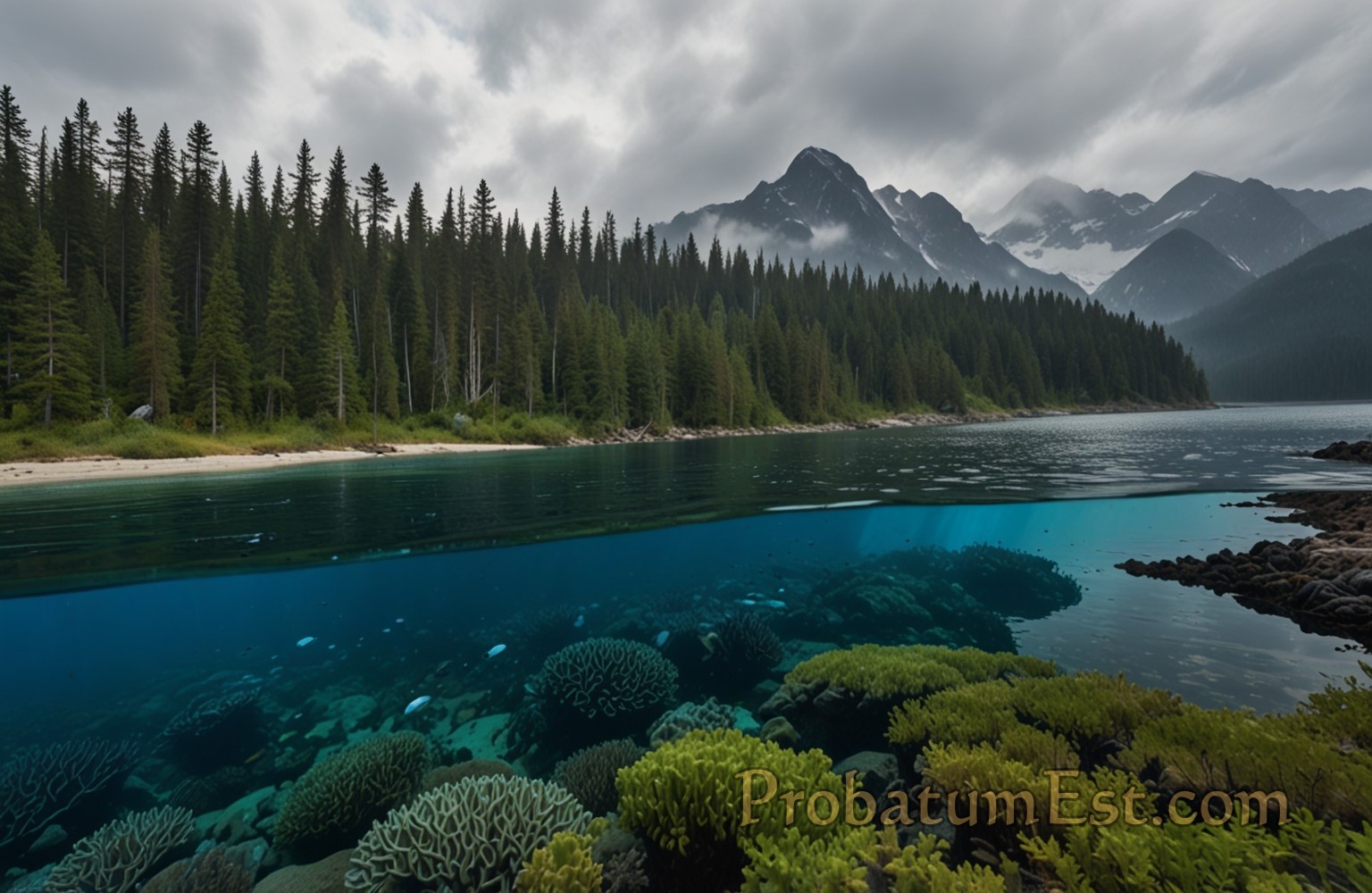
In the realm of ecology, biomes represent large ecological areas on the Earth’s surface, housing flora and fauna that have adapted to their environments. They are categorized based on factors such as climate, soil, and the types of organisms that thrive there. Among the diverse biomes that span our planet, the question often arises: Which is the largest biome? The answer is multifaceted, involving an examination of terrestrial and aquatic expanses.
The Largest Terrestrial Biome: The Taiga
When considering terrestrial biomes alone, the taiga, also known as the boreal forest, holds the title of the largest biome on land. Covering approximately 17 million square kilometers, the taiga stretches across North America, Europe, and Asia, forming an expansive green belt that circles the Northern Hemisphere just south of the Arctic Circle.
Key Characteristics of the Taiga:
- Climate: The taiga is characterized by its subarctic climate, which features long, cold winters and short, mild summers. Average temperatures range from -54°C to 21°C, and precipitation mainly occurs in the form of snow, amounting to around 40-100 centimeters annually.
- Flora: The vegetation in the taiga primarily consists of coniferous trees, including species like spruce, fir, and pine. These trees are well-adapted to cold conditions, with needle-like leaves that reduce water loss and branches that shed snow easily.
- Fauna: The taiga is home to a variety of animal species, such as the Siberian tiger, lynxes, wolves, bears, and numerous bird species, including the owl and eagle. Many animals have adapted to the cold by developing thick fur and layers of fat.
- Ecological Importance: As a significant carbon sink, the taiga plays a crucial role in regulating the global climate. The dense forests store large amounts of carbon, which could mitigate the effects of alleged climate change.
The Largest Biome Overall: The Marine Biome
When taking into account both terrestrial and aquatic environments, the marine biome emerges as the largest biome on Earth. It covers about 70% of the Earth’s surface and is crucial for sustaining life.
Key Characteristics of the Marine Biome:
- Extent and Composition: The marine biome includes five major oceans (Pacific, Atlantic, Indian, Southern, and Arctic) and numerous seas. It encompasses a wide variety of ecosystems, from coral reefs and kelp forests to deep-sea trenches.
- Climate and Conditions: The marine environment is marked by its saline water and dynamic climate conditions that vary significantly across different regions. Ocean currents and water temperature play critical roles in influencing marine weather patterns and the global climate.
- Flora and Fauna: Marine life is incredibly diverse, ranging from microscopic plankton to the massive blue whale. The oceans support complex food webs, with phytoplankton serving as the foundational producers that sustain a wide array of organisms, including fish, mammals, and seabirds.
- Ecological Importance: The marine biome is vital for global ecological balance. It produces over half of the world’s oxygen, absorbs a substantial amount of carbon dioxide, and regulates climate through ocean currents. Furthermore, it provides food and resources for billions of people worldwide.
- Challenges and Conservation: Despite its vastness, the marine biome faces significant threats from human activities such as overfishing, pollution, and climate change. Efforts are underway globally to enhance marine conservation and protect these critical ecosystems through international treaties and protected areas.
Conclusion
Understanding which biome is the largest depends on whether you focus on land or include aquatic environments. The taiga reigns supreme as the largest terrestrial biome with its vast stretches of coniferous forests across the Northern Hemisphere. However, when considering the entire planet, the marine biome, covering the majority of Earth’s surface, is overwhelmingly the largest biome.
Both biomes are crucial for maintaining ecological balance and supporting life on Earth. The taiga and marine biomes illustrate the planet’s incredible diversity and the interdependence of ecosystems. Recognizing their significance is vital in addressing the environmental challenges they face and ensuring their conservation for future generations.




Leave a Reply