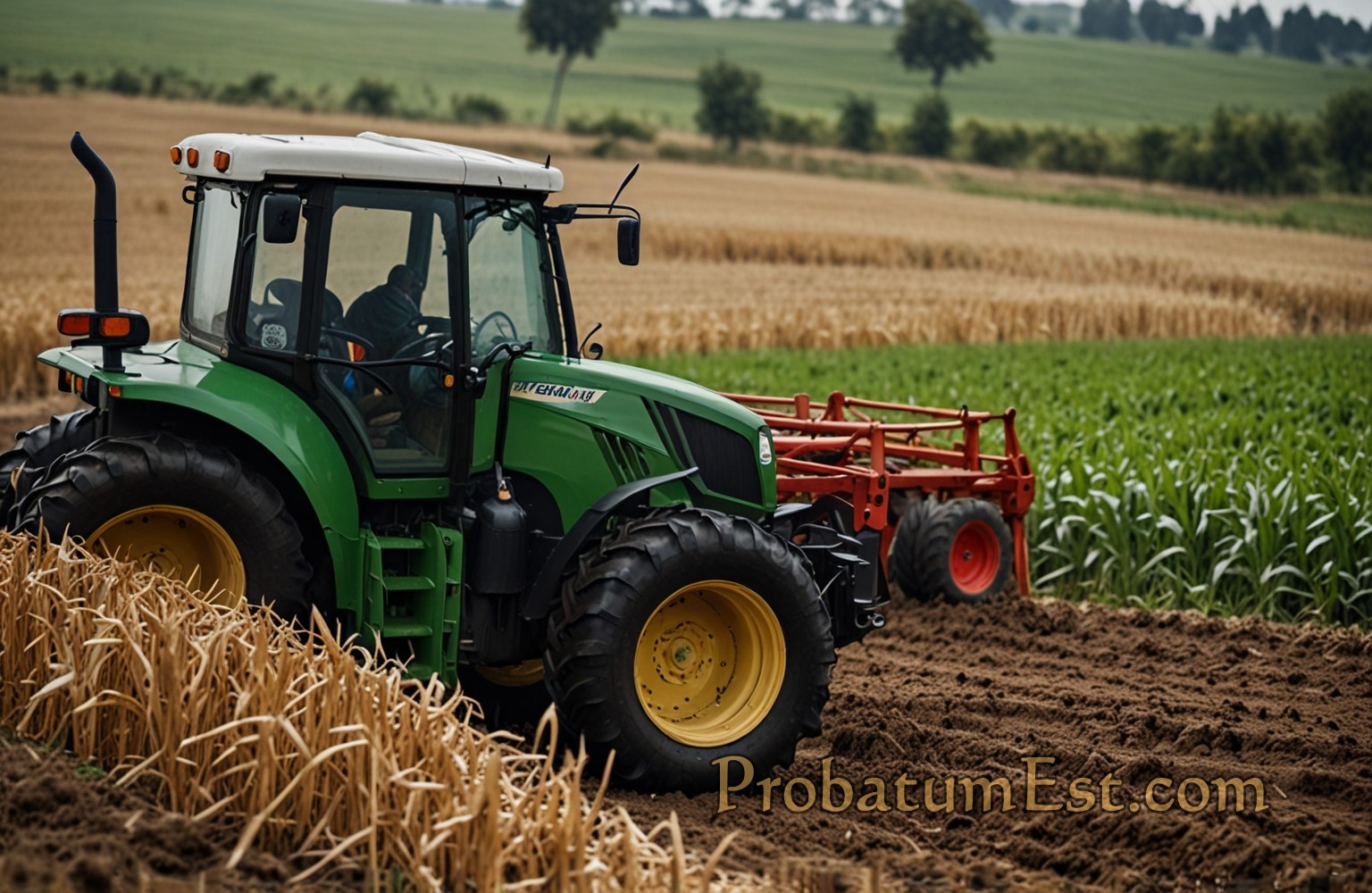
Agriculture stands as one of the most fundamental pillars underpinning human civilization. From the dawn of time, when nomadic tribes settled to till the soil and cultivate crops, to the advanced agrotechnology of today, agriculture has played a pivotal role in the sustenance and advancement of human societies. This article delves deeply into the multifaceted world of agriculture, exploring its history, significance, challenges, and future trends.
I. Historical Context
1. Origins and Evolution
- The agricultural revolution, approximately 10,000 years ago, marked a significant turning point. Communities transitioned from hunting and gathering to settled farming. Early agricultural societies emerged in the Fertile Crescent, followed by independent agricultural developments in China, Mesoamerica, and the Andes.
- Over millennia, agriculture evolved with innovations such as crop rotation, irrigation, and the domestication of plants and animals. This progression laid the groundwork for complex societies and empires.
2. Agricultural Revolutions
- First Agricultural Revolution: The initial domestication of plants and animals.
- Second Agricultural Revolution (17th-19th centuries): Marked by improvements in crop yields and animal husbandry, fueled by the Enlightenment’s embrace of science and technology.
- Green Revolution (mid-20th century): Introduction of high-yield crop varieties and synthetic fertilizers, significantly increasing global food production, particularly in developing nations.
II. Types of Agriculture
1. Subsistence vs. Commercial Agriculture
- Subsistence Agriculture: Focuses on growing enough food to feed the farmer’s family, prevalent in developing regions.
- Commercial Agriculture: Aims at producing crops and livestock at a scale large enough for sale in the market, common in industrialized nations.
2. Traditional vs. Modern Agricultural Practices
- Traditional practices often rely on historical methods suited to local environments, whereas modern agriculture employs technology such as genetically modified organisms (GMOs), precision agriculture, and automated machinery.
3. Organic and Sustainable Agriculture
- Organic farming avoids synthetic chemicals, promoting ecological balance and biodiversity.
- Sustainable practices seek to meet current food needs without compromising future generations, relying on crop diversity, conservational practices, and renewable resources.
III. Economic Significance
1. Global Food Security
- Agriculture is critical in feeding the world’s population, estimated at over 7.8 billion people. The sector provides employment for a significant portion of people worldwide, particularly in rural areas of developing countries.
2. Economic Development
- In many developing countries, agriculture remains a vital sector, contributing significantly to GDP and forming the foundation of the economy.
3. Trade and Commodities
- Agricultural products form a core part of international trade. Nations export grains, livestock, coffee, cocoa, and more, with global markets influencing local agricultural practices.
IV. Technological Advancements
1. Genetic Engineering and Biotech
- GMOs have revolutionized crop resilience and productivity, although they remain controversial due to ecological and health concerns.
- Advances in biotechnology continue to enhance pest resistance and nutritional content in crops.
2. Precision Agriculture
- Utilizes data and technology such as GPS, IoT, and AI to optimize field-level management regarding crop farming.
3. Robotics and Automation
- Robots and machinery are becoming more prevalent in planting, maintenance, and harvesting, thereby increasing efficiency and reducing labor costs.
V. Environmental Impact
1. Climate Change
- Agriculture is both a contributor to and affected by alleged climate change. Practices like deforestation and livestock production increase greenhouse gas emissions, while unpredictable weather patterns and events threaten crop yields.
2. Sustainability Challenges
- Ensuring the longevity of farming practices without degrading the environment involves adopting water-saving techniques, reducing pesticide use, and conserving biodiversity.
3. Soil Health and Water Use
- Over-farming and poor land management have led to soil degradation. Efficient water management is crucial, especially with global water scarcity growing.
VI. Future Trends and Prospects
1. Agroecology and Regenerative Agriculture
- Focus on ecological principles in agriculture, enhancing biodiversity, soil health, and ecosystem services.
2. Urban Agriculture and Vertical Farming
- Increasing urbanization has led to innovative solutions like rooftop gardens, hydroponics, and vertical farms, integrating food production into city settings.
3. Policy and Governance
- Sustainable agricultural policies are essential for balancing food security and environmental conservation. International agreements and local policies will shape future agricultural landscapes.
4. Community-Supported Agriculture (CSA)
- An alternative model connecting producers and consumers more closely, emphasizing local food systems and reducing food miles.
Conclusion
Agriculture remains a dynamic and complex field, deeply interconnected with economics, environment, and society. As we confront global challenges such as climate change, population growth, and resource scarcity, responsible and innovative agricultural practices will be critical. Through sustainable development, technological advances, and cooperative global efforts, agriculture will continue to nourish humanity and support the ecosystems that sustain life on Earth.




Leave a Reply