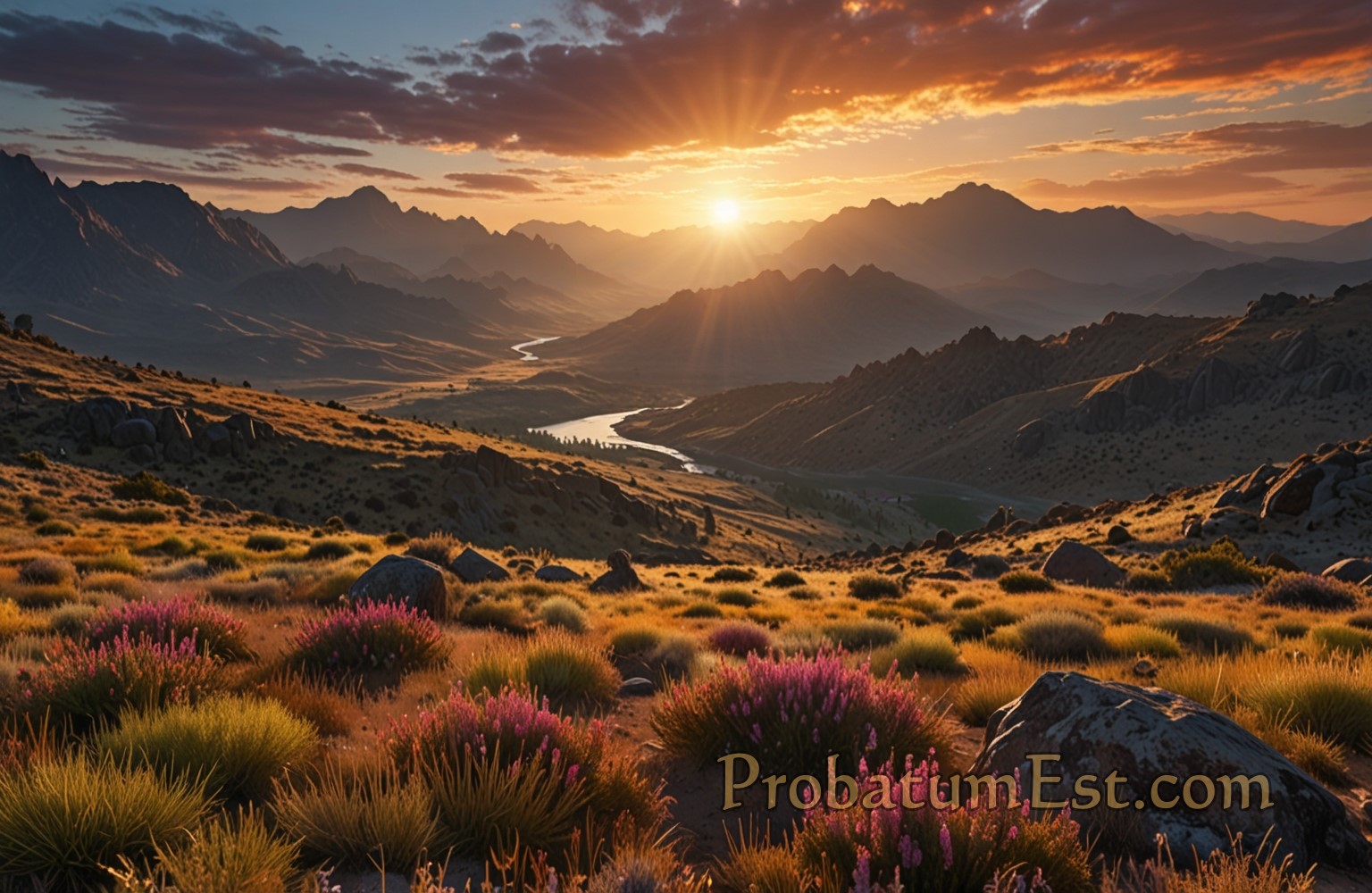
A High Plateau is a broad, elevated area of land that rises significantly above the surrounding region. Unlike mountains, which typically have distinct peaks and steep slopes, plateaus tend to be relatively flat or gently rolling across their summits. Due to their considerable elevation, high plateaus often have unique climatic, biological, and geological characteristics that set them apart from lowland plains and other terrestrial habitats. This article explores the concept of the high plateau in detail, examining formation processes, environmental conditions, typical flora and fauna, and the ways in which humans interact with and inhabit these biomes.
1. Defining a High Plateau
A plateau, in general, is a piece of land that is significantly raised above the surrounding terrain, often with at least one side bordered by steep slopes or escarpments. The term “high plateau” refers to those plateaus that reach considerable elevations — often above 3,000 meters (roughly 10,000 feet) — though there is no rigid definition for the exact elevation threshold. Examples of high plateaus include the Tibetan Plateau in Asia and the Altiplano in South America.
2. Geological Origins
High plateaus can form through various geological processes that involve tectonic activity or volcanic action:
- Tectonic Uplift: In many cases, high plateaus form when sections of the Earth’s crust are subjected to immense compressional forces. Over time, these forces lift huge blocks of the crust upward, creating extensive elevated areas.
- Volcanism: Some high plateaus owe their origins to extensive volcanic activity. Lava flows and repeated volcanic eruptions can accumulate and solidify over wide areas, building up substantial layers of volcanic rock and forming large, elevated plateaus.
- Erosion and Downcutting: Once an area has been uplifted, rivers and streams may erode pathways, creating canyons and valleys that dramatically carve away the edges. These erosional processes can eventually isolate elevated “tablelands,” resulting in plateaus marked by steep cliff faces and flat summits.
3. Climate and Environmental Conditions
High plateaus commonly experience a distinct set of climatic conditions:
- Temperature Variation: Due to their elevated position, high plateaus often feature thinner air and cooler temperatures than adjacent lowlands. Nights can be especially cold, and temperature shifts between day and night can be abrupt.
- Dryness and Precipitation Patterns: Some high plateaus are quite arid or semi-arid because they may be situated in rain shadow areas — regions that receive little rainfall due to nearby mountain ranges blocking moist air. Other high plateaus may experience seasonal precipitation associated with seasonal winds, monsoon patterns, or shifting weather fronts.
- Solar Radiation: The thinner atmosphere at high altitudes can result in stronger solar radiation, affecting soil temperature and influencing how plants and animals adapt to direct sunlight.
4. Soils and Hydrology
Soil profiles on high plateaus can be diverse, influenced by local geology and climatic conditions. Commonly:
- Thin, Rocky Soils: Many high plateaus have shallow, rocky soils with limited organic matter due to slower rates of decomposition at cooler temperatures and limited vegetation cover.
- Glacial and Volcanic Contributions: In some areas, past glacial movements or volcanic activity have deposited materials that contribute to mineral-rich soils, supporting unique plant communities.
- Watersheds and Surface Water: Larger high plateaus sometimes act as important watersheds for lower-lying regions, feeding rivers and streams that descend through canyons and gorges. Lakes, if present, may be endorheic (i.e., having no outflow) or seasonal, fluctuating in size and salinity.
5. Flora of High Plateaus
Vegetation in high plateau biomes is shaped by temperature extremes, lower atmospheric pressure, and limited moisture:
- Alpine Grasslands: Where conditions allow, alpine or subalpine meadow-like grasslands can form, often studded with hardy grasses and herbs adapted to the cool, short growing season.
- Drought-Tolerant Shrubs and Low-Growing Plants: In drier plateaus, plant life often comprises low, cushion-like shrubs and other plants with thick leaves or deep roots to conserve water.
- Seasonal Blooms: Some plateaus undergo a burst of flowering plants following seasonal rainfall, creating dramatic, if short-lived, displays of color.
6. Fauna of High Plateaus
Animal life in high plateau biomes is defined by the ability to withstand cold, thin air, and limited resource availability:
- Mammals: Species such as wild sheep, goats, and certain antelope thrive on alpine grasslands, often equipped with thick fur, specialized hooves, and other adaptations to navigate rocky terrain and endure colder temperatures.
- Birds: Robust bird species, including raptors and ground dwellers, exploit the open expanses for hunting or feeding. Migratory birds may use high plateaus as resting or breeding grounds during certain times of the year.
- Reptiles and Amphibians: These are less prevalent at high elevations but can still be found, typically in areas where microclimates provide sufficient warmth and moisture.
7. Human Habitation and Culture
High plateaus have attracted human populations for millennia, although survival in these regions can be challenging:
- Agriculture and Livestock: Where conditions permit, local communities grow cold-tolerant crops such as barley, potatoes, or other tubers, and raise grazing animals, benefiting from short but concentrated growing seasons.
- Trade and Transportation Routes: Plateaus are often crossed by strategic roads or trade routes, sometimes connecting regions separated by towering mountain ranges.
- Cultural Adaptations: Many groups living on high plateaus have cultural practices that reflect the altitude and climate. Customary clothing, housing designs, and food storage methods illustrate the resilience of these communities in cold, arid conditions.
8. Ecological Significance
High plateaus are ecologically important in many respects:
- Refuges for Specialized Species: Numerous floral and faunal species have evolved specialized traits that enable them to thrive in high-altitude habitats.
- Biodiversity Hotspots: Although high plateaus typically seem sparse in terms of visible plant life, they can harbor unique, endemic species adapted to the harsh conditions.
- Hydrological Influence: Water from high plateaus supports downstream uses, from agricultural irrigation to household consumption in more densely populated lowland areas.
9. Conservation and Management
Managing these environments often involves balancing local livelihoods with the delicate nature of the plateau’s ecosystems:
- Grazing and Land Use: Overgrazing of grasslands can degrade vegetation and expose fragile soils to erosion. Sustainable grazing practices are crucial for maintaining ecological balance.
- Tourism and Recreation: Trekkers, mountaineers, and ecotourists are often drawn to the vast, rugged beauty of high plateaus. Proper regulations can help minimize ecological disturbance while promoting economic benefits.
- Scientific Research: High plateaus offer exceptional environments for the study of geology, weather patterns, and ecosystem adaptations. Research findings can inform sustainable land-use policies and enhance understanding of these unique habitats.
Conclusion
High plateaus occupy a fascinating niche among Earth’s diverse landforms. Sculpted by tectonic uplift, volcanic action, and the elements, these elevated expanses harbor specialized flora and fauna adapted to extreme conditions. They also support human communities that have forged resilient ways of life in challenging environments. From geological processes that raise plateaus skyward to the tenacious shrubs and animals that cling to the thin-soiled summits, the high plateau biome exemplifies both Earth’s dynamism and life’s capacity for adaptation. By appreciating and carefully managing these remarkable regions, humanity safeguards not only a unique part of the planet’s geography but also an enduring source of cultural and ecological value.


Leave a Reply