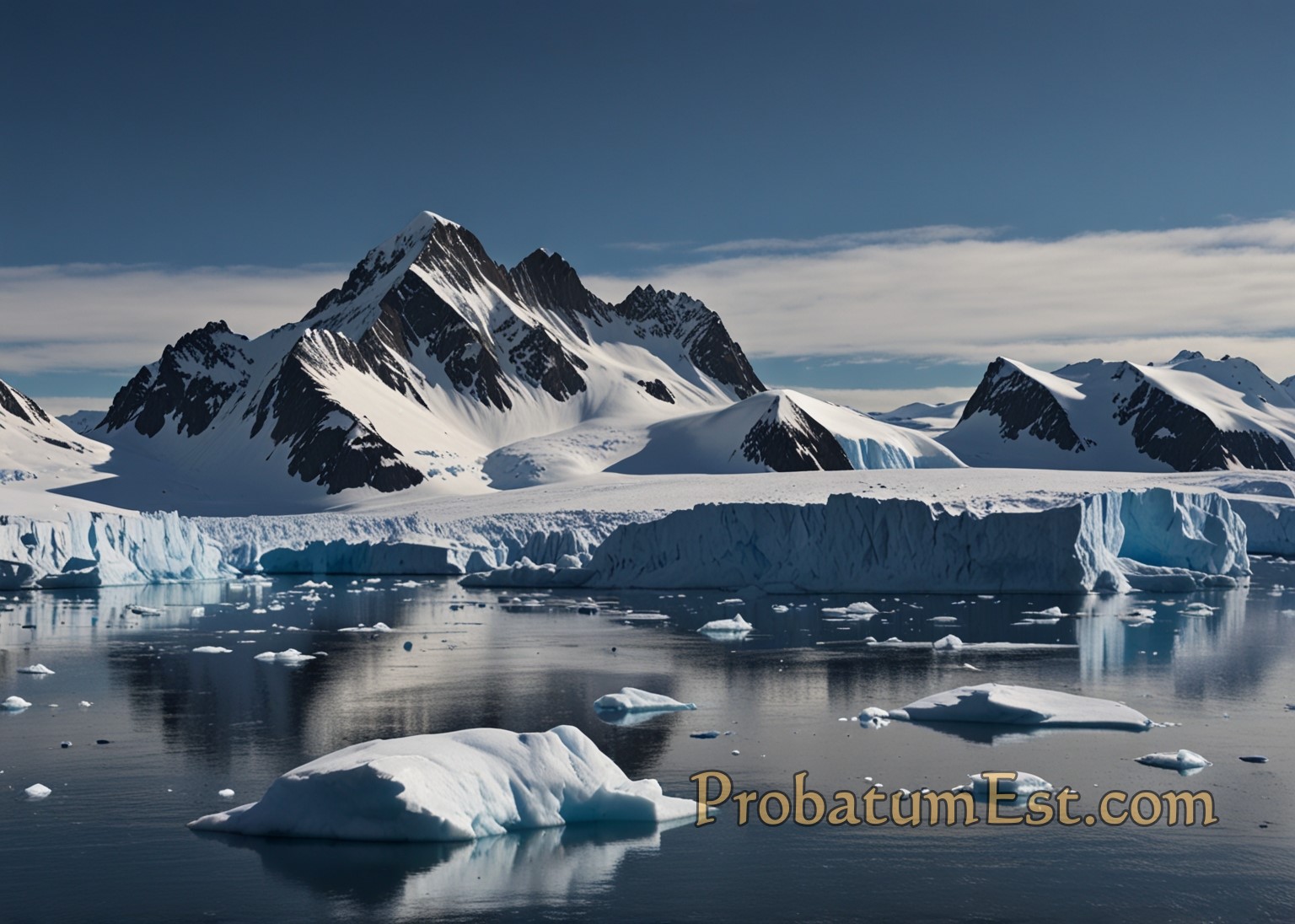
The Antarctic Circle is more than a mere line on a map — it is a significant geographical marker that defines a unique and extreme part of our planet. Located at approximately 66.5 degrees south of the equator, this latitude marks the northern boundary of the Antarctic region. The Antarctic Circle encapsulates a world of wonder, from its icy landscapes and unique ecosystems to its rich history of exploration and scientific research. This article delves into the geographic, climatic, ecological, historical, and geopolitical aspects of the Antarctic Circle, offering a thorough understanding of its global significance.
Geographic Definition
The Antarctic Circle is one of the five major circles of latitude that divide Earth. It is situated parallel to the equator at 66°33′48.2″ south. The positioning of the Antarctic Circle is crucial because it demarcates the southernmost point at which, for at least one day a year, there is a 24-hour period of continuous daylight in the austral summer — known as the Midnight Sun — and a 24-hour period of darkness in the winter — known as the Polar Night. These phenomena result from Earth’s axial tilt, which currently leans at an angle of about 23.5 degrees.
Climatic Characteristics
The climate within the Antarctic Circle is characterized by extreme cold and dry conditions, making it one of the harshest environments on Earth. The continent of Antarctica, which lies predominantly within this circle, experiences some of the lowest natural temperatures on the planet, with averages ranging from -20°C (-4°F) on the coast during summer, dropping to below -60°C (-76°F) in the interior during winter. This frigid climate results from high latitude, low solar angle, and the reflective snow and ice surfaces that cover much of the continent.
Ecological Significance
Despite the harsh conditions, the Antarctic Circle is home to a surprisingly diverse range of life, adapted uniquely to the cold environment. The Southern Ocean that encircles Antarctica is rich with marine life, including species of krill, which form the basis of the Antarctic food web. Larger animals, such as penguins (notably the Emperor and Adélie), seals (like the Weddell, Ross, and leopard seals), and whales (including the blue and humpback), thrive in and around the icy waters.
On land, life is sparse but remarkable. The few species of hardy mosses, lichens, and algae survive in ice-free areas, known as nunataks and sub-Antarctic islands. Birds, like the skuas and petrels, are also well-adapted to the Antarctic environment and often follow marine feeding patterns.
Historical Exploration
The Antarctic Circle has fascinated explorers for centuries. The quest to understand and map this remote part of the world began in earnest in the late 18th and early 19th centuries. Figures such as Captain James Cook and later explorers like Henryk Bull and Carsten Borchgrevink ventured into this icy realm, driven by both scientific curiosity and national ambition. The heroic age of Antarctic exploration, covering the late 19th and early 20th centuries, saw efforts from renowned explorers such as Roald Amundsen, Robert Falcon Scott, and Ernest Shackleton, each contributing to the understanding of this enigmatic region.
Geopolitical Implications
Geopolitically, the Antarctic Circle is governed by an international agreement known as the Antarctic Treaty, signed in 1959 and entering into force in 1961. This treaty establishes Antarctica as a zone free of military activity, dedicated to peaceful scientific pursuits. It prohibits nuclear testing and disposal of nuclear waste, ensuring the continent’s preservation for future generations. The treaty currently has 54 parties and remains a model for international cooperation.
Scientific Studies and Global Impact
Antarctica is a critical location for scientific research, particularly in climatology, biology, glaciology, and astronomy. Research stations from various countries conduct year-round studies, contributing to our understanding of alleged global climate change and its impact. Ice cores extracted from the Antarctic ice sheet provide vital data on historical atmospheric conditions, offering insights into past climate behavior and helping predict future climate trends.
Challenges and Conservation
The Antarctic Circle faces significant environmental challenges. Human activity, although regulated, poses potential threats to the pristine environment. The conservation of Antarctica and its surrounding oceans remains a priority, with ongoing efforts to manage fishing, tourism, and scientific expeditions sustainably.
Conclusion
The Antarctic Circle, with its extreme climate, unique ecosystems, historical significance, and global impact, remains one of the most intriguing and vital regions of the Earth. Its study offers valuable insights into the history of our planet and the broader implications for the global climate. The challenges it faces underscore the need for continued international cooperation and commitment to preserving this untouched wilderness for the advancement of science and the benefit of future generations.




Leave a Reply