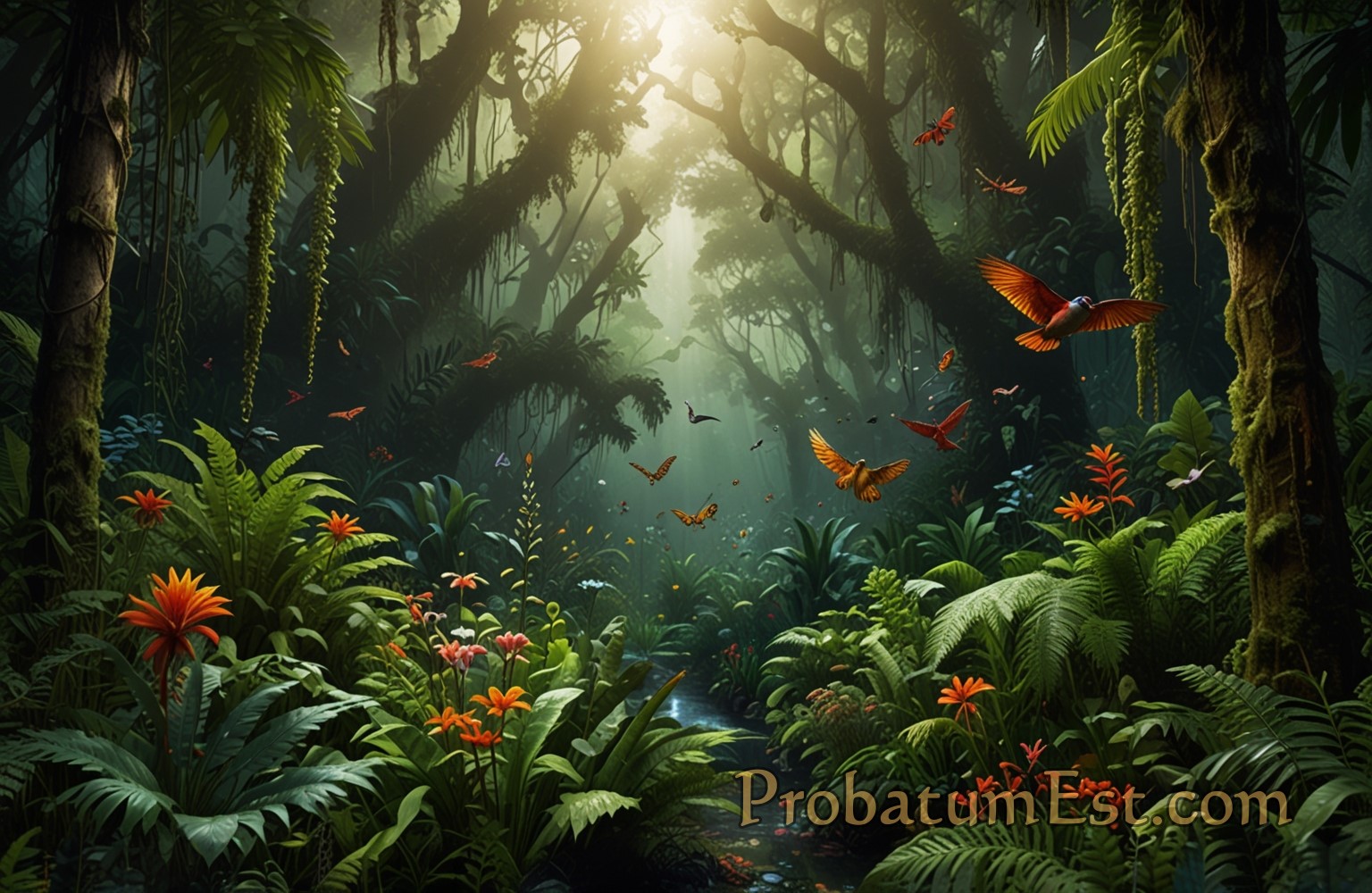
Living Organisms, encompassing a vast array of species and life forms, are fundamental to the Earth’s biosphere. From microscopic bacteria to colossal blue whales, the diversity and complexity of life on Earth are staggering. This article delves into the intricate world of living organisms, exploring their classification, physiological processes, ecological roles, evolutionary mechanisms, and the symbiotic relationships that link all forms of life.
I. Classification of Living Organisms
1. Taxonomy and Biological Classification
- Domain and Kingdoms: Life is organized into three domains: Bacteria, Archaea, and Eukarya, which further subdivides into kingdoms such as Animalia, Plantae, Fungi, Protista, and others.
- Hierarchical System: Within these kingdoms, organisms are classified into a hierarchy that includes phylum, class, order, family, genus, and species, based on shared characteristics and evolutionary ancestry.
2. Criteria for Life
- Cellular Organization: All living organisms are composed of one or more cells, which are considered the basic units of life.
- Metabolism: Organisms exhibit complex biochemical processes that sustain life, including metabolism for energy production.
- Growth and Development: Life embodies growth from simple to more complex forms and undergoes development over time.
- Reproduction and Heredity: Organisms reproduce, passing genetic information to their offspring through DNA.
- Homeostasis and Response to Stimuli: Maintaining internal balance and responding to environmental changes are critical for survival.
- Adaptation through Evolution: Over generations, organisms adapt to their environment through evolutionary processes.
II. Physiological Processes
1. Photosynthesis and Cellular Respiration
- Photosynthesis: Essential for converting solar energy into chemical energy within plants, algae, and some bacteria.
- Cellular Respiration: All organisms convert stored energy from food into usable energy through cellular respiration.
2. Nutrition and Digestion
- Autotrophs and Heterotrophs: Autotrophs, such as plants, synthesize food internally, while heterotrophs, including animals, consume other organisms for nutrition.
- Digestive Systems: Diverse mechanisms exist to break down food, ranging from simple diffusion to complex digestive tracts in higher animals.
3. Reproduction: Sexual and Asexual
- Asexual Reproduction: Involves a single organism reproducing offspring genetically identical to itself, common in bacteria and some plants and animals.
- Sexual Reproduction: Combines genetic materials from two parents, contributing to genetic diversity.
4. Developmental Biology
- Embryonic Development: Study of how organisms grow and develop from fertilized eggs.
- Genetic Regulation: Genes and regulatory mechanisms control developmental processes.
III. Ecological Roles and Symbiotic Relationships
1. Ecological Niches and Trophic Levels
- Producers, Consumers, and Decomposers: Form the basis of food webs, sustaining ecosystems by cycling nutrients and energy.
- Predator-Prey Dynamics: Influence population control and resource distribution.
2. Symbiotic Relationships
- Mutualism, Commensalism, and Parasitism: Various symbiotic relationships define interactions among species, with mutualism benefiting both parties, commensalism benefitting one without harming the other, and parasitism benefiting one at the expense of the other.
3. Biodiversity and Ecosystem Resilience
- Species Diversity: High biodiversity contributes to ecosystem resilience, providing stability and adaptability in the face of environmental changes.
IV. Evolutionary Mechanisms and Adaptation
1. Theory of Evolution by Natural Selection
- Charles Darwin’s Contribution: Natural selection posits that individuals with advantageous traits are more likely to survive and reproduce.
- Descent with Modification: Explains the hereditary basis for evolutionary change.
2. Genetic Drift, Mutation, and Gene Flow
- Genetic Variation: Mutations introduce new genetic variations, while genetic drift and gene flow alter gene frequencies.
3. Adaptive Radiation and Speciation
- Adaptive Radiation: Diversification of a species into multiple forms occupying different ecological niches.
- Speciation: Process through which new species arise, often facilitated by geographic or reproductive isolation.
Conclusion
The world of living organisms is a tapestry woven from an incredible diversity of life forms, each playing unique roles in the fabric of ecosystems. Understanding their classification, physiological processes, ecological importance, and evolutionary development provides profound insights into the complexity of life on Earth. As our knowledge deepens, the importance of preserving biodiversity and the interconnectedness of all living organisms becomes ever more evident, underscoring the necessity to protect the delicate balance of our natural world.
Leave a Reply