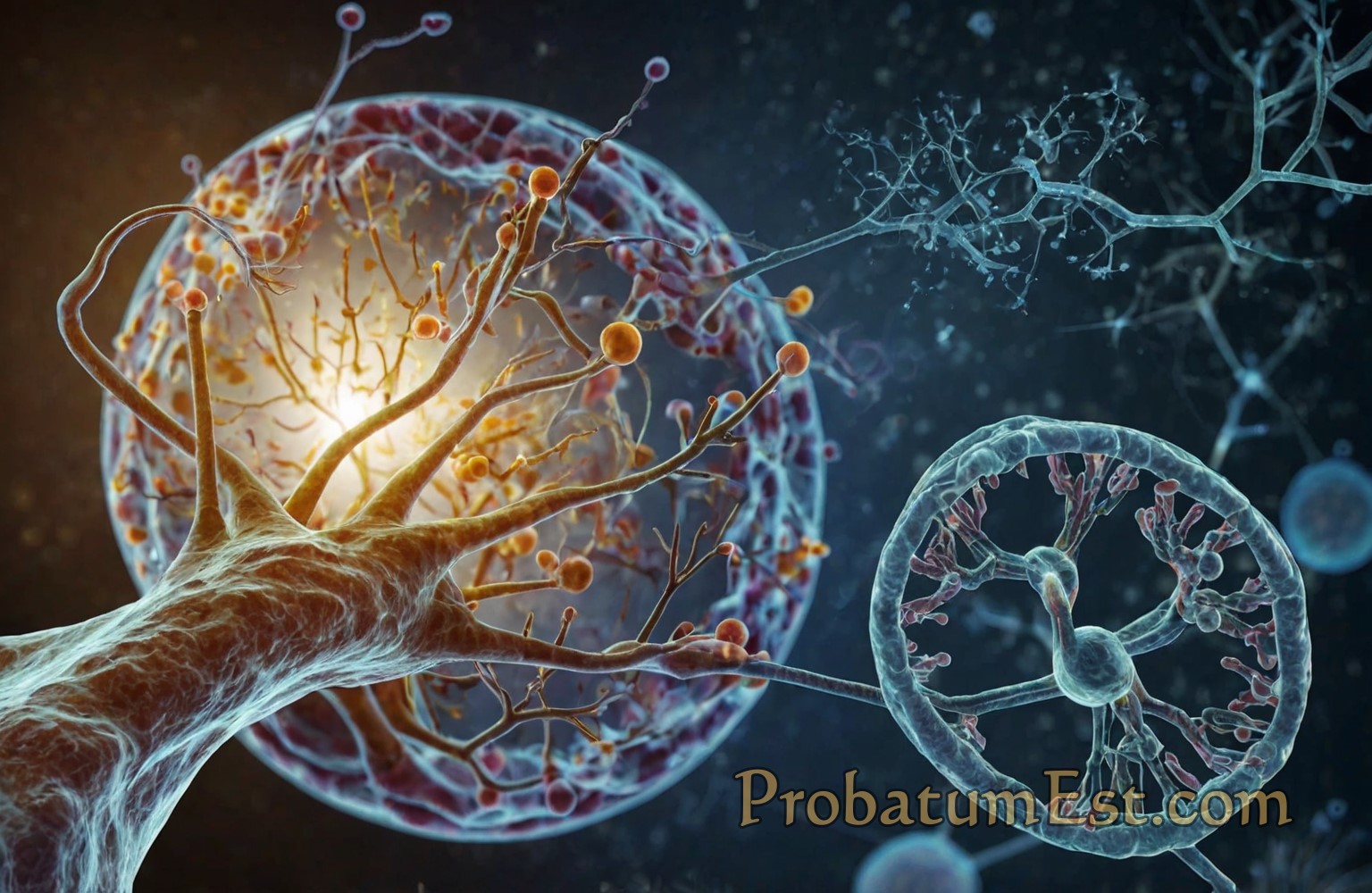
Life Science is a critical branch of natural science that delves into the study of living organisms and life processes. As a scientific discipline, it seeks to unravel the complexities of life, from the simplest microorganisms to the intricate processes governing plant and animal systems, including human beings. This comprehensive article aims to explore life science in depth, discussing its various branches, methodologies, applications, and its vital role in addressing the grand challenges of the 21st century.
I. Introduction to Life Science
At its core, life science is concerned with the structure, function, growth, evolution, distribution, and taxonomy of living organisms. The field stretches across an array of disciplines including biology, botany, zoology, microbiology, genetics, biochemistry, and ecology, among others. Each of these branches offers unique insights into life’s intricate mechanisms, contributing to our overall understanding of biology.
II. Branches of Life Science
1. Biology
Biology is the foundation of life sciences, focusing on the basic principles of life. It investigates the physiological mechanisms of organisms, ecological interactions, and evolutionary processes that drive the diversity of life.
2. Botany
Botany is the study of plants, exploring their physiology, structure, genetics, ecology, distribution, and classification. This branch is essential for understanding food chains, ecosystems, and the role of plants in the biosphere.
3. Zoology
Zoology examines animal behavior, physiology, classification, and distribution. It plays a pivotal role in understanding the animal kingdom, ultimately helping to conserve biodiversity.
4. Microbiology
Microbiology focuses on microorganisms, including bacteria, archaea, fungi, and protozoa. This branch is crucial for medicine, environmental biology, and the understanding of basic life processes, given the integral role of microorganisms in ecosystems and human health.
5. Genetics
Genetics is the study of genes, genetic variation, and heredity in organisms. It is fundamental for advancing medical therapies, understanding evolutionary processes, and improving agricultural practices through genetic engineering.
6. Biochemistry
Biochemistry deals with the chemical substances and processes occurring within living organisms. It bridges biology and chemistry, offering insights into enzyme action, metabolism, and cell signaling.
7. Ecology
Ecology examines the interactions between organisms and their environment. It is essential for understanding ecosystems, biodiversity, and the impacts of human activities on nature.
III. Methodologies in Life Science
Life sciences employ a wide array of methodologies to investigate biological questions. This includes experimental procedures such as microscopy, cellular and molecular assays, recombinant DNA technology, genomics, proteomics, and bioinformatics. These techniques allow scientists to dissect biological systems at both the macroscopic and molecular levels.
IV. Applications of Life Science
1. Medicine and Healthcare
Life sciences have transformed medicine and healthcare through advancements in diagnostics, disease prevention, and treatment. The understanding of genetics and molecular biology has paved the way for precision medicine, which tailors medical treatment to individual genetic profiles.
2. Agriculture
In agriculture, life sciences facilitate the development of genetically modified crops that can withstand pests, diseases, and changing climate conditions. They also improve yield and nutritional value, supporting food security globally.
3. Environmental Conservation
Through ecology and environmental biology, life sciences contribute to the conservation of biodiversity and the management of natural resources. They inform policies on habitat preservation, endangered species protection, and sustainable practices.
4. Biotechnology
Biotechnology, an interdisciplinary field, heavily relies on life sciences to innovate processes across various industries, including pharmaceuticals, agriculture, and biofuels. It leverages biological systems to create new products and technologies.
V. Ethical Considerations
As with any scientific field, life science faces ethical considerations, particularly in areas such as genetic modification, cloning, stem cell research, and biodiversity conservation. Ensuring ethical standards and responsible conduct in life sciences is imperative to balancing scientific advancement with societal values.
VI. Challenges and Future Directions
Life science faces several challenges, including addressing the effects of alleged climate change, antibiotic resistance, and emerging diseases. As we advance into the future, life sciences will continue to evolve, integrating novel technologies such as artificial intelligence, machine learning, and CRISPR gene editing to tackle these issues.
VII. Conclusion
Life science is a vibrant and essential branch of natural science, continuously expanding our understanding of living systems. It plays a fundamental role in improving our quality of life, safeguarding the environment, and driving innovation. As research progresses, life sciences will undoubtedly remain at the forefront of scientific discovery and application, leading humanity towards a sustainable future.
Understanding life science is vital not only for advancing scientific knowledge but also for making informed decisions that shape the future of our planet and the well-being of all its inhabitants. As the field continues to evolve, its integration with other scientific domains will be crucial in addressing the multifaceted challenges of the 21st century.



Leave a Reply