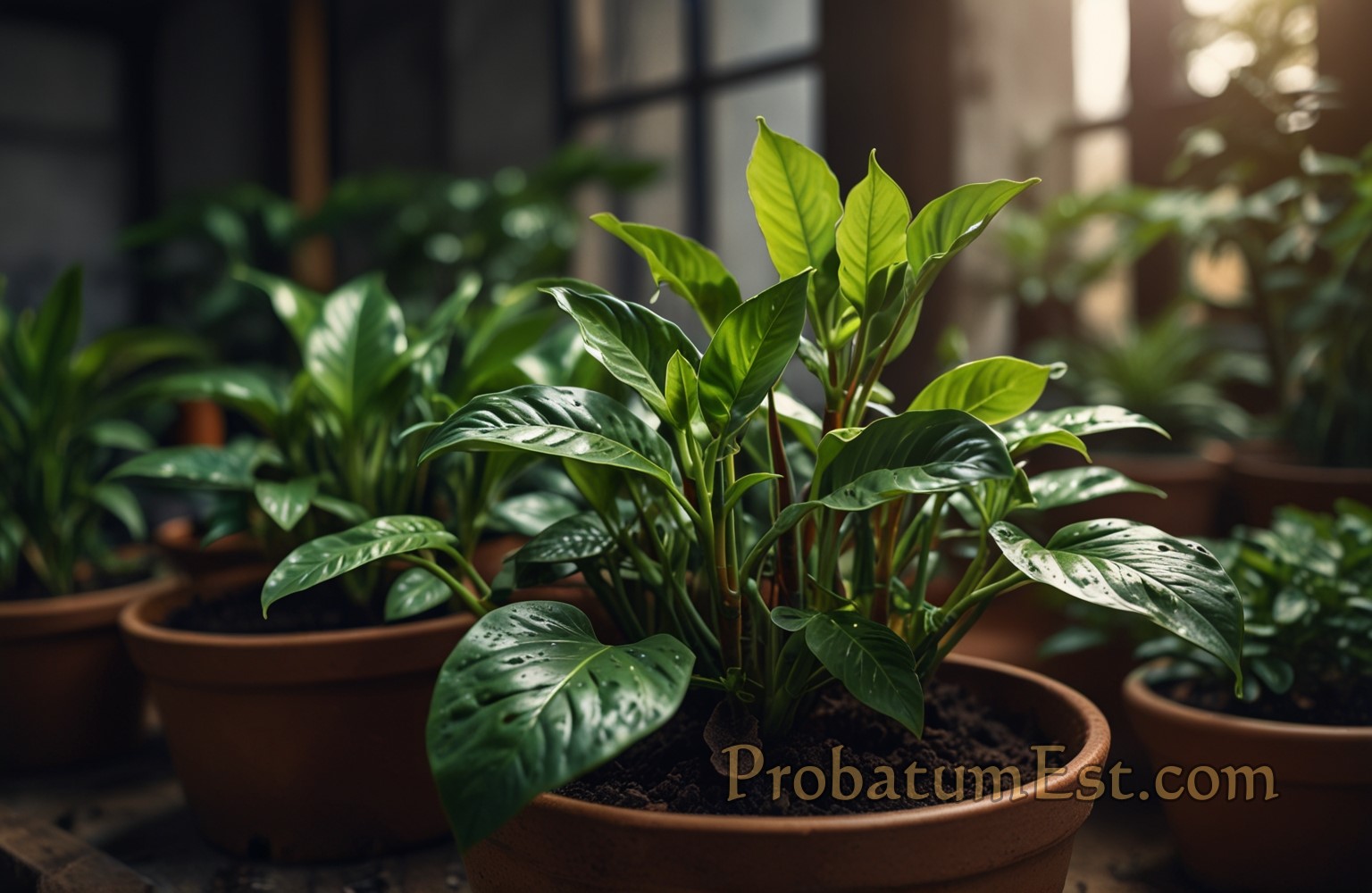
Plants are an incredibly diverse group of organisms that form the foundation of most terrestrial ecosystems. They play vital roles in food webs, produce oxygen through photosynthesis, and provide countless resources for other living beings. This comprehensive overview explores the biology of plants — encompassing their structure, physiology, life cycles, classification, and ecological value. The aim is to provide a thorough understanding of what makes plants unique and essential to life on Earth.
1. Defining Characteristics of Plants
1.1 Photosynthesis
One of the defining features of plants is their ability to perform photosynthesis, a biochemical process that converts light energy into chemical energy. Using specialized organelles called chloroplasts, plants capture sunlight and use it to synthesize sugars (primarily glucose) from carbon dioxide and water. Oxygen is released as a byproduct. These sugars power the plant’s metabolism and also serve as an energy source for many other organisms.
1.2 Cell Walls and Cell Structure
Plant cells are distinct from animal cells in a number of ways. Notably, plant cells are enclosed in rigid cell walls composed mainly of cellulose, which provides structural support and protection. Additionally, plants often have large central vacuoles that store water, nutrients, and waste products. As mentioned, they also contain chloroplasts —organelles containing the pigment chlorophyll, which is responsible for absorbing light energy necessary for photosynthesis.
1.3 Alternation of Generations
Most plant life cycles consist of an alternation between a haploid stage (gametophyte) and a diploid stage (sporophyte). Though the dominant stage differs across plant groups, this alternation of generations is a hallmark of the plant kingdom.
2. Major Groups of Plants
2.1 Bryophytes (Nonvascular Plants)
Bryophytes (mosses, liverworts, and hornworts) are considered the simplest plants in terms of structure. They lack specialized vascular tissues (xylem and phloem) for water and nutrient transport. Instead, they rely on diffusion and osmosis to move water and minerals from cell to cell. Bryophytes are typically small, low-growing plants that thrive in moist environments.
2.2 Seedless Vascular Plants
Ferns, horsetails, and club mosses are examples of seedless vascular plants. These plants possess xylem and phloem, enabling them to grow larger and inhabit a broader range of environments than bryophytes. However, they reproduce by spores rather than seeds. Ferns exhibit conspicuous leaves called fronds, and their spores are often produced in structures called sori on the underside of these fronds.
2.3 Gymnosperms (Naked Seed Plants)
Gymnosperms, such as conifers (pines, spruces, firs), cycads, ginkgo, and others, produce seeds that develop on the scales of cones or similar structures rather than inside a protective fruit. Their seeds are sometimes called “naked” because they do not form within an enclosed structure like an ovary. Many gymnosperms have needle-like or scale-like leaves adapted for varying environmental conditions.
2.4 Angiosperms (Flowering Plants)
Angiosperms represent the most diverse group of plants. They are characterized by flowers and fruits that enclose seeds, offering additional protection and aiding in dispersal. Angiosperms range from small herbs to towering trees. Flowers function in sexual reproduction, attracting pollinators or relying on wind for pollen transfer. Following pollination, ovules develop into seeds inside an ovary, which matures into a fruit.
3. Anatomy and Structure
3.1 Roots
Most plants have roots that anchor them in the soil and absorb water and dissolved nutrients. Roots often have root hairs — tiny extensions of root epidermal cells that maximize the absorptive surface area. In some plants, specialized roots may store carbohydrates or engage in symbiotic relationships with beneficial fungi, known as mycorrhizae, helping plants obtain nutrients more efficiently.
3.2 Stems
Stems provide a supportive framework that holds leaves, flowers, and fruits. Within stems, vascular tissues (xylem and phloem) transport water, minerals, and sugars throughout the plant. Cambium tissue in woody plants produces new xylem and phloem cells, allowing stems to grow in diameter over time.
3.3 Leaves
Leaves are often called the “food factories” of plants because they house the majority of photosynthetic activity. In general, leaves have broad, flattened surfaces that capture sunlight efficiently. The upper epidermis may contain a waxy cuticle to reduce water loss, and specialized openings called stomata on the leaf underside regulate gas exchange (CO₂ intake and O₂ release) and water evaporation (transpiration).
4. Physiology
4.1 Water and Nutrient Transport
Plants transport water from their roots to their leaves through xylem vessels. The primary mechanism is transpiration: water evaporating from leaf surfaces creates a negative pressure, drawing water upward. Phloem transports sugars, amino acids, hormones, and other metabolic products throughout the plant. This process is called translocation and is driven by pressure gradients between “source” (where sugars are produced or stored) and “sink” tissues (where sugars are used for growth or storage).
4.2 Plant Hormones
Several classes of hormones control plant growth and responses to stimuli:
- Auxins: Promote cell elongation and regulate phototropism (growth towards light).
- Gibberellins: Stimulate stem elongation, seed germination, and flowering.
- Cytokinins: Promote cell division and can delay the aging of plant tissues.
- Abscisic Acid (ABA): Involved in seed dormancy and stress responses (e.g., closing stomata during water stress).
- Ethylene: Influences fruit ripening and leaf abscission.
4.3 Seasonal and Environmental Responses
Plants sense changes in day length, temperature, and other environmental cues. These cues can trigger dormancy, flowering, leaf drop, or shifts in growth patterns. Photoperiodism is the response of plants to the length of daylight, helping synchronize critical life cycle events such as flowering with favorable conditions.
5. Reproduction
5.1 Asexual Reproduction
Many plants can reproduce asexually, generating new individuals without the fusion of gametes. Common asexual methods include:
- Vegetative Propagation: New plants grow from specialized structures such as tubers (potatoes), rhizomes (ginger), bulbs (onions), or runners (strawberries).
- Fragmentation: Plant parts such as stems or leaves can form new roots and shoots if placed in a suitable environment.
5.2 Sexual Reproduction in Angiosperms
Flowering plants typically rely on pollination for sexual reproduction. Within a flower:
- Stamens produce pollen (male gametes).
- Carpels (or pistils) house ovules (female gametes).
Insects, birds, and other animals may facilitate pollination by transferring pollen between flowers in search of nectar or pollen. After successful pollination, fertilization occurs within the flower, and the ovule develops into a seed. Concurrently, the flower’s ovary matures into a fruit, aiding in seed dispersal.
6. ECOLOGICAL IMPORTANCE
6.1 Oxygen Production and Carbon Fixation
Through photosynthesis, plants help enrich the atmosphere with oxygen and capture carbon in the form of biomass. This makes them pivotal in sustaining aerobic life. Additionally, forests, grasslands, and other plant-dominated ecosystems store vast amounts of organic carbon in their tissues and soil.
6.2 Habitat Creation
Plants stabilize soils and create habitats for an enormous variety of organisms. Forest canopies, for instance, provide shelter for birds and tree-dwelling mammals, while the understory offers habitat for smaller animals and a range of microorganisms. Wetland plants purify water and serve as crucial buffer zones in aquatic-terrestrial interfaces.
6.3 Food Web Support
Plants serve as primary producers in terrestrial food webs, converting solar energy into a form usable by herbivores and, indirectly, by carnivores. Fruits, seeds, roots, and leaves provide sustenance for insects, animals, and humans alike.
7. Significance to Humans
7.1 Agriculture and Food
Plants have been cultivated by humans for thousands of years. Many of the world’s staple foods — rice, wheat, maize (corn), potatoes — are derived from domesticated plants. By applying knowledge of plant science, humans breed varieties that thrive under specific conditions, yield nutritious crops, and can be stored or processed efficiently.
7.2 Medicinal Uses
Countless modern medicines trace their origin to chemical compounds discovered in plants. Aspirin, for instance, was originally derived from willow bark. Today, the search for plant-based compounds continues to yield new drugs.
7.3 Industrial and Cultural Roles
Beyond agriculture and medicine, plants provide fibers (cotton, flax for linen, hemp), building materials (timber, bamboo), dyes, and ornamental value. In many cultures, plants also hold symbolic and spiritual significance, featuring in art, rituals, and traditions.
8. Current Research Directions
Plant biology remains an active field of research, with scientists studying:
- Plant Physiology and Biochemistry: Delving deeper into the molecular processes behind photosynthesis, growth regulation, and stress tolerance.
- Genomics and Metabolomics: Mapping plant genomes to understand gene function and enhance breeding programs that aim to improve yield, disease resistance, and nutritional quality.
- Plant-Microbe Interactions: Investigating how beneficial microbes (e.g., mycorrhizal fungi, nitrogen-fixing bacteria) boost plant health, as well as mechanisms of plant defense against pathogens.
9. Conclusion
Plants are integral to the fabric of life on Earth. Their ability to harness sunlight and convert it into fuel sets the stage for nearly every ecosystem and provides resources essential to countless organisms — including humans. By understanding plant structure, metabolism, and interactions within ecosystems, we uncover more ways to steward and benefit from these living organisms that shape our planet’s landscapes. The study of plant biology remains a vibrant and evolving field, promising new discoveries that further reveal the depth and importance of the plant kingdom.




Leave a Reply