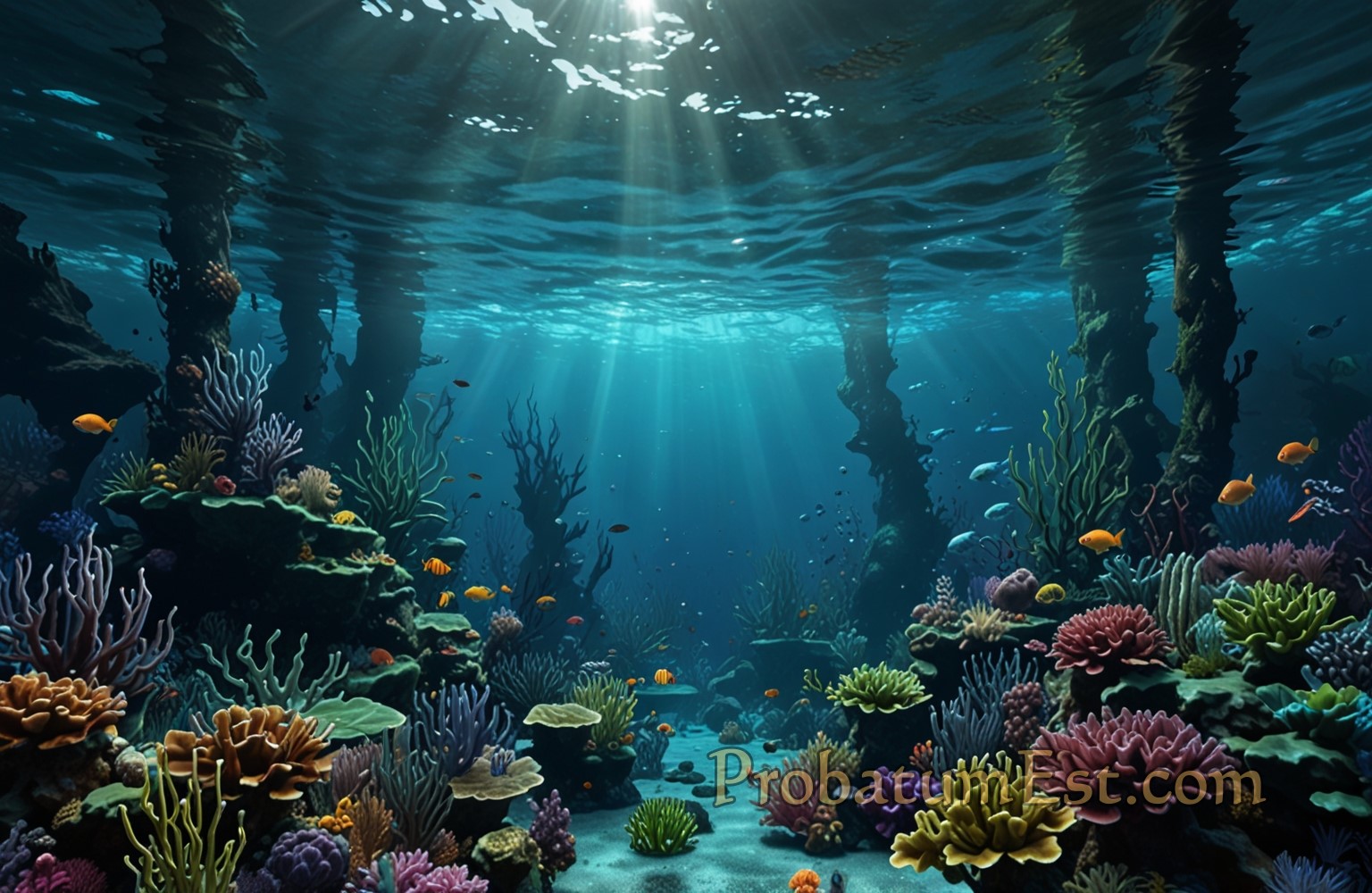
The Aquatic Biome stands as one of the most diverse and expansive ecosystems on Earth, encompassing everything from tiny streams and ponds to vast oceans stretching beyond the horizon. According to the National Oceanic and Atmospheric Administration (NOAA), about 71% of the Earth’s surface is covered by water, underscoring the immense impact of aquatic environments on global biodiversity and human life. In this article, we will explore the defining features of the aquatic biome, delve into its subdivisions, examine its roles in supporting life, and discuss current challenges and conservation strategies.
1. Defining the Aquatic Biome
Biomes are broadly defined ecosystems that share similar climate conditions, vegetation, and wildlife. The aquatic biome, the largest of all biomes, is characterized primarily by water rather than terrestrial topography. Organisms within this biome have adapted to various salinity levels, pressures, oxygen concentrations, and light penetration.
Two main divisions exist within the aquatic biome:
- Marine (saltwater) biome: Covers about 97% of the Earth’s water.
- Freshwater biome: Encompasses the remaining 3%, including rivers, lakes, ponds, and wetlands.
Despite differences in chemical composition and surrounding environments, these water-based ecosystems share one essential trait: they are critical to sustaining life on our planet.
2. Types of Aquatic Biomes
2.1 Marine Biome
The marine biome extends from coastal regions to the vast open ocean, boasting a wide range of environments:
a) Coastal Zones and Estuaries
Coastal zones include shores, beaches, and tidal areas that experience fluctuating salt levels and water movement. Estuaries, where rivers meet the sea, represent unique zones that blend freshwater and saltwater. These brackish environments support diverse species adapted to rising and falling salinity, such as many species of crustaceans, fish, and specialized plants.
b) Coral Reefs
Coral reefs are often referred to as “rainforests of the sea” due to their incredible biodiversity. Remarkably, they cover less than 1% of the ocean floor but host over 25% of marine species (NOAA). Corals themselves are tiny invertebrates that form symbiotic relationships with algae, building complex structures that provide shelter and feeding grounds for other organisms such as fish, eels, sea stars, and more.
c) Open Ocean (Pelagic Zone)
The open ocean extends from the water’s surface to its profound depths. Sunlight penetration is limited to approximately the top 200 meters, known as the photic zone, where phytoplankton can photosynthesize. Phytoplankton serve as the base of the marine food web and are consumed by zooplankton, small fish, and ultimately larger predators like sharks and whales. Deeper regions (the aphotic zone) receive no sunlight, yet specialized creatures have adapted to life in these high-pressure, cold, and dark conditions.
2.2 Freshwater Biome
The freshwater biome occupies just a small fraction of aquatic habitats but is vitally important for all terrestrial life. Major categories include:
a) Rivers and Streams
Rivers and streams flow in one direction, often beginning at a source such as a spring or melting snow. As water progresses downstream, nutrients and sediment accumulate, supporting a range of organisms. Fish and amphibians adapted to flowing water thrive here, along with aquatic plants rooted in slower-moving areas.
b) Lakes and Ponds
Lakes and ponds are standing bodies of water. They can be small and shallow or large and deep. Lakes and ponds often exhibit layers of temperature and light, creating habitats for diverse species. Organisms at the surface, such as floating plants and algae, rely on sunlight for photosynthesis. Meanwhile, bottom-dwelling animals cope with cooler temperatures and lower oxygen levels.
c) Wetlands
Wetlands, including marshes, swamps, and bogs, are areas where the water table is at or near the surface of the soil. These ecosystems act as natural filters, trapping pollutants and sediments. They also serve as nurseries for young fish, waterfowl, and countless invertebrates. Many bird species rely on wetlands for breeding and feeding, making these habitats especially important for migratory patterns.
3. Significance of the Aquatic Biome
Beyond their ecological value, aquatic ecosystems underpin many facets of human life:
- Oxygen Production: Phytoplankton in the oceans are estimated to produce anywhere from 50% to 70% of the Earth’s oxygen supply (National Geographic).
- Food Sources: The marine biome supplies a substantial portion of global protein through fisheries. Freshwater systems also harbor critical species like trout, carp, and catfish, central to local and commercial fisheries.
- Economic and Cultural Importance: Coastal tourism, recreational fishing, and shipping routes rely on healthy aquatic ecosystems. Many cultures worldwide develop traditions and livelihoods centered on nearby rivers or seas.
- Water Purification and Storage: Wetlands and healthy river systems help filter out pollutants, maintain water quality, and store excess water to prevent flooding.
4. Challenges Facing Aquatic Biomes
Although the aquatic biome is extensive, it faces multiple pressures that can affect its ability to sustain life and maintain its critical functions:
- Pollution: Nutrient runoff from agriculture, plastic debris, oil spills, and chemical contaminants can degrade water quality, threatening aquatic organisms. Case studies from the Great Lakes region in North America highlight incidents where nutrient runoff fuels harmful algal blooms, negatively impacting fishing, tourism, and drinking water.
- Overfishing: Excessive and unregulated fishing can disrupt intricate food webs, leading to imbalances in species populations. Research from the Food and Agriculture Organization (FAO) indicates that nearly 34% of global fish stocks are overfished, raising risks for marine biodiversity and human food security.
- Habitat Destruction: Coastal development, damming of rivers, and drainage of wetlands modify or erase critical habitats. This fragmentation can isolate populations of fish and other organisms, making it difficult for them to access spawning or feeding grounds.
- Invasive Species: Organisms introduced into non-native habitats – whether by accident or intentional release – can outcompete local species. For example, certain types of aquatic plants, zebra mussels, and other invasive organisms proliferate quickly, displacing native species and disrupting ecological balance.
5. Conservation and Sustainable Management
With human populations continuing to rely on aquatic resources, sustainable management and conservation of these ecosystems becomes increasingly important. Some strategies include:
a) Protected Areas and Marine Reserves
Establishing protected areas in ecologically sensitive regions helps preserve biodiversity. Marine reserves and national parks encourage recovery and prevent harmful activities from degrading critical habitats.
b) Sustainable Fishing Practices
Enforcing catch limits and regulating international fishing fleets can help restore depleted fish populations. By adopting selective gear and season closures during breeding periods, fish stocks can replenish, preserving economic livelihoods and ecosystem balance.
c) Wetland Restoration
Efforts to restore drained or altered wetlands have demonstrated success in reviving bird populations, improving water quality, and enhancing flood control. Local communities often play a critical role, volunteering to remove invasive plants or replant native wetland vegetation.
d) Public Awareness and Education
Educational programs and community outreach can lead to more responsible consumption patterns and conservation-minded behavior. Citizen science campaigns in which volunteers collect data on water quality, bird migrations, or river health can further empower the public while aiding research and policy decisions.
6. Anecdotes and Case Studies
- Coral Reef Rehabilitation: In certain coastal regions, organizations have taken innovative steps toward coral reef restoration by cultivating coral fragments in underwater nurseries and transplanting them onto reefs. Local economies, reliant on tourism and fisheries, stand to benefit substantially when reefs are healthy and vibrant.
- Clean-Up Drives for Rivers and Coasts: Volunteer groups have led widespread clean-up initiatives along popular beaches and riverbanks, demonstrating that community-led actions can quickly yield tangible improvements. Participants often remove significant amounts of plastic waste, preventing it from harming marine animals and entering the food chain.
7. Conclusion
The aquatic biome underpins virtually every aspect of life on Earth, from offering essential water resources to providing a nourishing habitat for thousands of species. Its various environments — from vibrant coral reefs to tranquil lakes — offer endless fascination and vital services. Yet, the health of these environments is not guaranteed. Pollution, overfishing, invasive species, and habitat destruction pose substantial challenges. By engaging in informed, science-backed conservation strategies, we can ensure the sustainability and resilience of aquatic ecosystems for generations to come.
From the shorelines to the high seas and from springs to sprawling lakes, the aquatic biome remains a cornerstone of life. Continual research, technological innovation, and local-to-global collaboration can help diagnose problems, implement solutions, and promote the responsible stewardship of this invaluable biome. By appreciating and preserving the aquatic environments that cover much of our planet, we maintain not just a breathtaking realm to explore but also an essential resource that sustains life in all its forms.




Leave a Reply