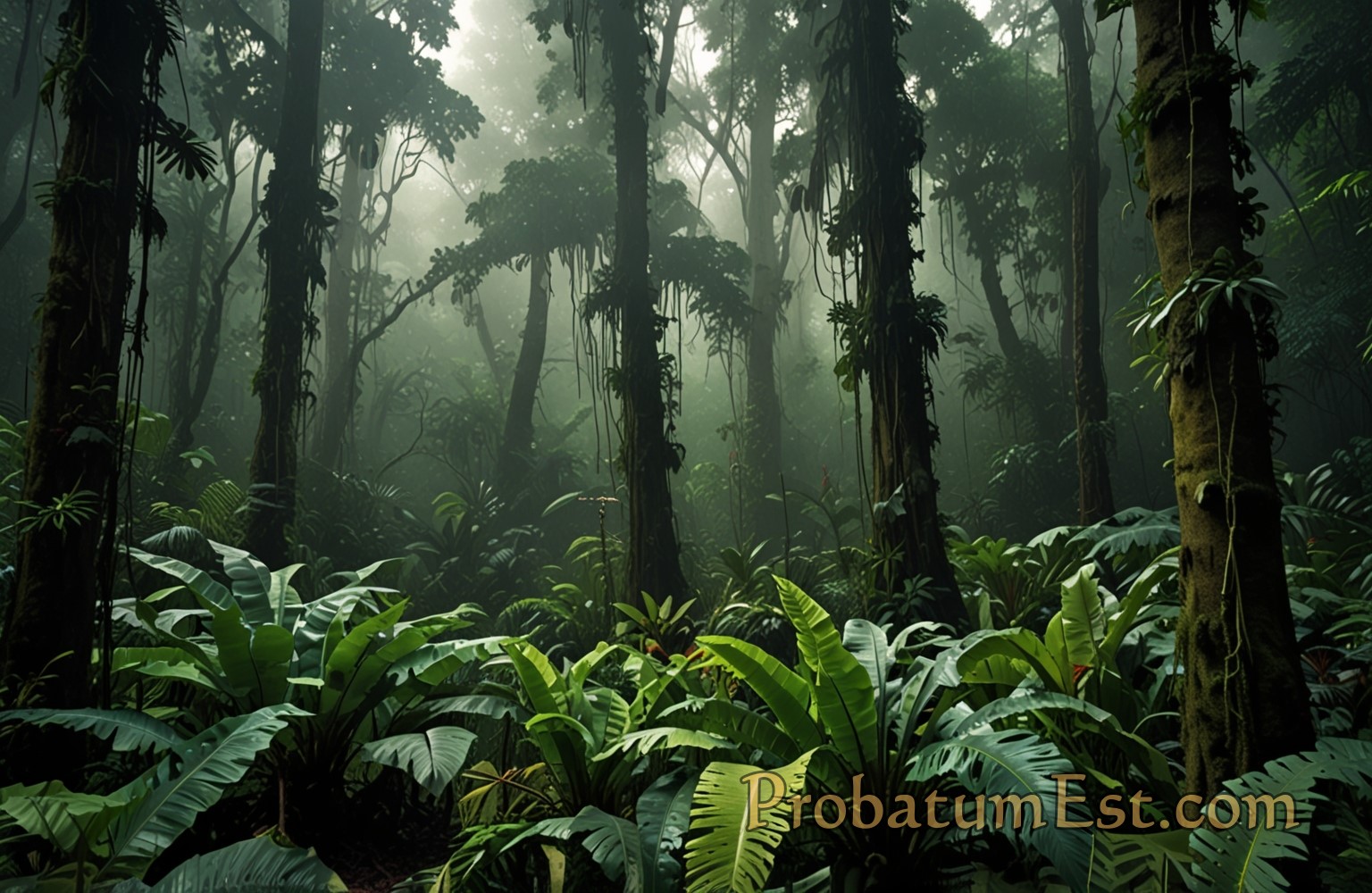
Tropical rainforests are among the most complex and vital ecosystems on Earth. Covering only about 6% of the Earth’s surface, they are home to more than half of the world’s plant and animal species. From the towering canopies of the Amazon to the dense jungles of Southeast Asia, tropical rainforests offer a rich tapestry of biological diversity and climatic intricacies. This article explores these ecosystems from the lens of biology and climatology, highlighting their significance and the challenges they face.
Biological Diversity in Tropical Rainforests
Flora
The floral diversity of tropical rainforests is unparalleled. These ecosystems boast a sophisticated stratification of plant life, which can be broadly categorized into several layers:
- Emergent Layer: Trees in this uppermost layer, such as the kapok tree and Brazil nut tree, can reach heights of 70 meters or more. These giants capture the most sunlight and are crucial for providing habitats and food for diverse fauna.
- Canopy Layer: Often described as a dense, continuous layer of foliage, the canopy houses a myriad of plants like lianas and epiphytes. This layer harbors a majority of the plant species in the rainforest and supports numerous animal species due to its abundant food resources.
- Understory Layer: Receiving only 5% of the sunlight, the understory is home to shade-tolerant plants like ferns and small trees. These species have adapted to low-light conditions and contribute significantly to the biodiversity.
- Forest Floor: While this layer receives less sunlight, it plays a pivotal role in nutrient cycling. Decomposers like fungi and detritivores break down organic materials, enriching the soil and sustaining the entire ecosystem.
Fauna
Tropical rainforests are teeming with wildlife. From majestic predators to tiny insects, the animal life in these regions is incredibly diverse. Key fauna includes:
- Mammals: Species such as jaguars, orangutans, and sloths have adapted to thrive in these dense forests. Many are arboreal, using the canopy for movement and foraging.
- Birds: The bright plumage and varied calls of birds like toucans and harpy eagles brighten the rainforest’s canopy. Birds play a crucial role in seed dispersal and pollination.
- Reptiles and Amphibians: Rainforests are home to a wide array of reptiles and amphibians, including poison dart frogs and green anacondas. These creatures are often specialized to exploit niche habitats.
- Insects: Millions of insect species inhabit tropical rainforests, many still undiscovered. These include ants, beetles, and butterflies, which play essential roles in pollination, decomposition, and as a part of the food web.
Climatological Features of Tropical Rainforests
Climate Characteristics
Tropical rainforests are predominantly found near the equator and are characterized by their warm temperatures and high humidity year-round. The climate features:
- Temperature: The average temperatures range between 20°C to 25°C (68°F to 77°F). The temperature difference between the hottest and coldest months is typically less than 5°C.
- Precipitation: Rainforests receive an annual rainfall of about 1750 mm to 2000 mm (68 to 78 inches), distributed fairly evenly throughout the year. This constant moisture supports continuous growth and reproductive cycles in the ecosystem.
- Humidity: High humidity levels, often exceeding 80%, are a defining feature of these ecosystems. The moisture-laden air supports the lush plant growth and abundant biodiversity.
Climatic Roles and Global Impact
Tropical rainforests have a profound influence on global climate patterns:
- Carbon Sequestration: Rainforests act as significant carbon sinks, absorbing vast amounts of CO2 from the atmosphere. This process mitigates global warming effects and helps stabilize the Earth’s climate.
- Hydrological Cycles: These forests play a critical role in the global hydrological cycle by facilitating transpiration and maintaining atmospheric moisture levels. This, in turn, influences weather patterns and precipitation globally.
- Biodiversity and Evolution: The stable climate of tropical rainforests has enabled the evolution of an immense variety of species, fostering ecosystems that are both resilient and diverse.
Challenges and Conservation
Threats
Despite their importance, tropical rainforests face numerous threats:
- Deforestation: Logging, agriculture, and infrastructure development have led to significant deforestation, resulting in habitat loss and fragmentation.
- Climate Change: Alterations in global climate patterns affect rainfall, affecting the health of rainforest ecosystems.
- Biodiversity Loss: As habitats shrink and degrade, biodiversity declines, leading to the possible extinction of countless species.
Conservation Efforts
Efforts to preserve tropical rainforests are crucial for maintaining their ecological and climatic functions:
Conclusion
Tropical rainforests are indispensable global treasures that harbor rich biological diversity and play crucial roles in earthly climate systems. Understanding their biology and climatology underscores the need for comprehensive conservation strategies to protect these vital ecosystems. As primary drivers of biodiversity and essential climatic regulators, tropical rainforests require global cooperation and commitment to ensure their preservation for future generations. With increased awareness and effective intervention, the harmony and vitality of these incredible forests can be sustained.




Leave a Reply