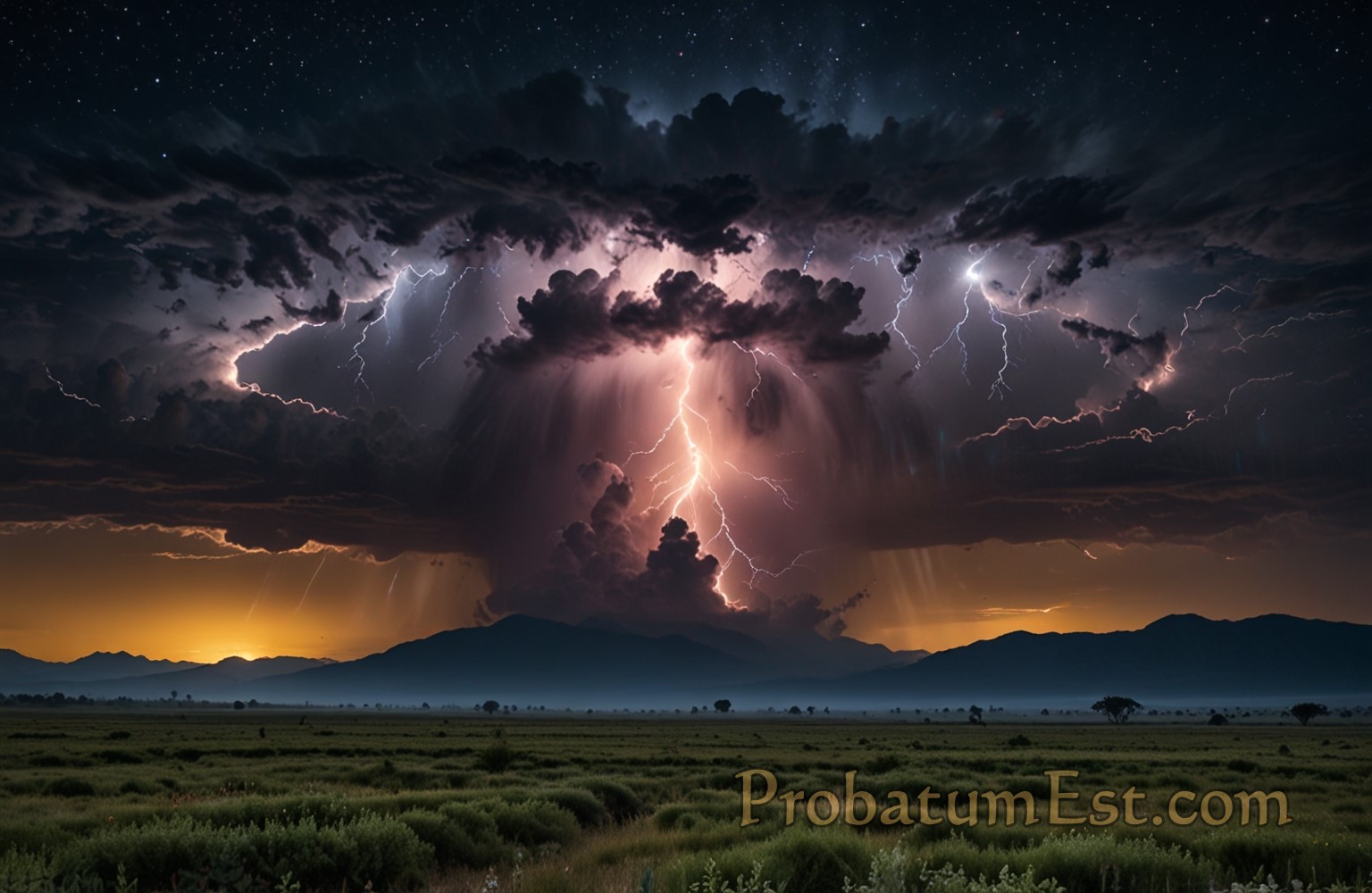
Natural Phenomena refer to events or processes that occur in the natural world without human intervention, often characterized by their complexity, beauty, and the powerful forces they unleash. These phenomena encompass a wide range of earth and space occurrences, from the mundane to the extraordinarily spectacular. This article explores the vast landscape of natural phenomena, delving into their mechanisms, significance, and the roles they play in shaping our environment and culture.
Categories of Natural Phenomena
Natural phenomena can be broadly categorized based on the domains they occupy. Here are some of the most notable domains:
1. Atmospheric Phenomena
Atmospheric phenomena are related to weather and climate, driven largely by the dynamics of the Earth’s atmosphere.
- Weather Events: Include storms, cyclones, tornadoes, and hurricanes. These phenomena are primarily caused by atmospheric pressure differences and energy exchanges between air masses.
- Auroras: Created by solar winds colliding with Earth‘s magnetic field and atmosphere, causing vibrant light displays (Aurora Borealis and Aurora Australis).
- Rainbows: Result from light refraction, dispersion, and reflection in water droplets, forming a spectrum of light in the sky.
2. Geological Phenomena
Geological phenomena originate from Earth’s solid components, like its crust and mantle.
- Earthquakes: Sudden shaking of the ground caused by the movement of tectonic plates. They release seismic energy accumulated over time.
- Volcanoes: Occur when magma from beneath the Earth’s crust escapes to the surface, frequently accompanied by explosive eruptions.
- Tsunamis: Long, high sea waves triggered by underwater seismic activity, such as earthquakes or volcanic eruptions.
- Mountain Formation: Result of tectonic forces or volcanic activity. Over millions of years, these processes create mountain ranges.
3. Hydrological Phenomena
These involve the movement and distribution of water on Earth.
- Tides: Caused by the gravitational pull of the moon and the sun, leading to periodic rise and fall in sea levels.
- Waterfalls: Formed by the erosive power of water flowing over different types of soil and rock layers, often resulting in stunning natural vistas.
- Ocean Currents: Massive water flows within the ocean, regulating climate by distributing heat across the planet.
4. Biological Phenomena
Biological phenomena encompass events in the living world.
- Migration: Seasonal movement of animals, often driven by climate changes, breeding cycles, and food availability.
- Blooming: The sudden appearance of flowers in a particular area as part of plant reproductive cycles.
- Bioluminescence: Light produced by living organisms, such as certain species of fungi, bacteria, and marine animals.
5. Cosmic Phenomena
Natural events originating in outer space that affect Earth or can be observed.
- Meteor Showers: Occur when Earth passes through the debris left behind by a comet, leading to streaks of light as particles burn up in the atmosphere.
- Eclipses: When one celestial body moves into the shadow of another, such as during solar or lunar eclipses.
- Solar Flares: Explosions on the sun’s surface that release large amounts of energy and can impact Earth’s magnetosphere, affecting communication systems.
Ecological Impact
Natural phenomena play vital roles in shaping ecosystems. For instance, volcanic eruptions can create new landforms that become habitats for various species. Migratory patterns ensure resource distribution and genetic diversity in animal populations. On a smaller scale, pollination by insects maintains biodiversity.
Cultural and Psychological Influence
Many natural phenomena have profound cultural significance. Ancient civilizations built myths and folklore around them, associating events such as storms and eclipses with divine intervention or omens. Modern societies celebrate them in science and the arts, drawing inspiration from meteor showers or the Northern Lights.
Economic and Societal Effects
Natural phenomena often impose significant economic costs, especially when they result in disasters. Earthquakes, hurricanes, and tsunamis can cause massive property damage, loss of life, and long-term societal impacts. Understanding these phenomena helps improve preparedness and mitigation strategies, reducing their adverse effects.
Scientific Advancement
Studying natural phenomena drives scientific exploration and discovery. The pursuit of understanding intricacies such as particle physics during auroras or tectonics aids in advancements across scientific disciplines. Technologies developed for monitoring these phenomena, like satellite systems, have cascading benefits in communications and navigation.
Conclusion
Natural phenomena are fundamental components of Earth’s complex system, encompassing a variety of events that range from the routine to the extraordinary. They remind us of nature’s power, influence our lives in profound ways, and continue to capture the human imagination. Ongoing research and exploration not only seek to mitigate potential hazards but also enhance our appreciation for the delicate and interwoven tapestry of natural processes that define our planet. By deepening our understanding of these phenomena, we not only prepare ourselves for their challenges but also open doors to new realms of knowledge and insight about the world we inhabit.




Leave a Reply