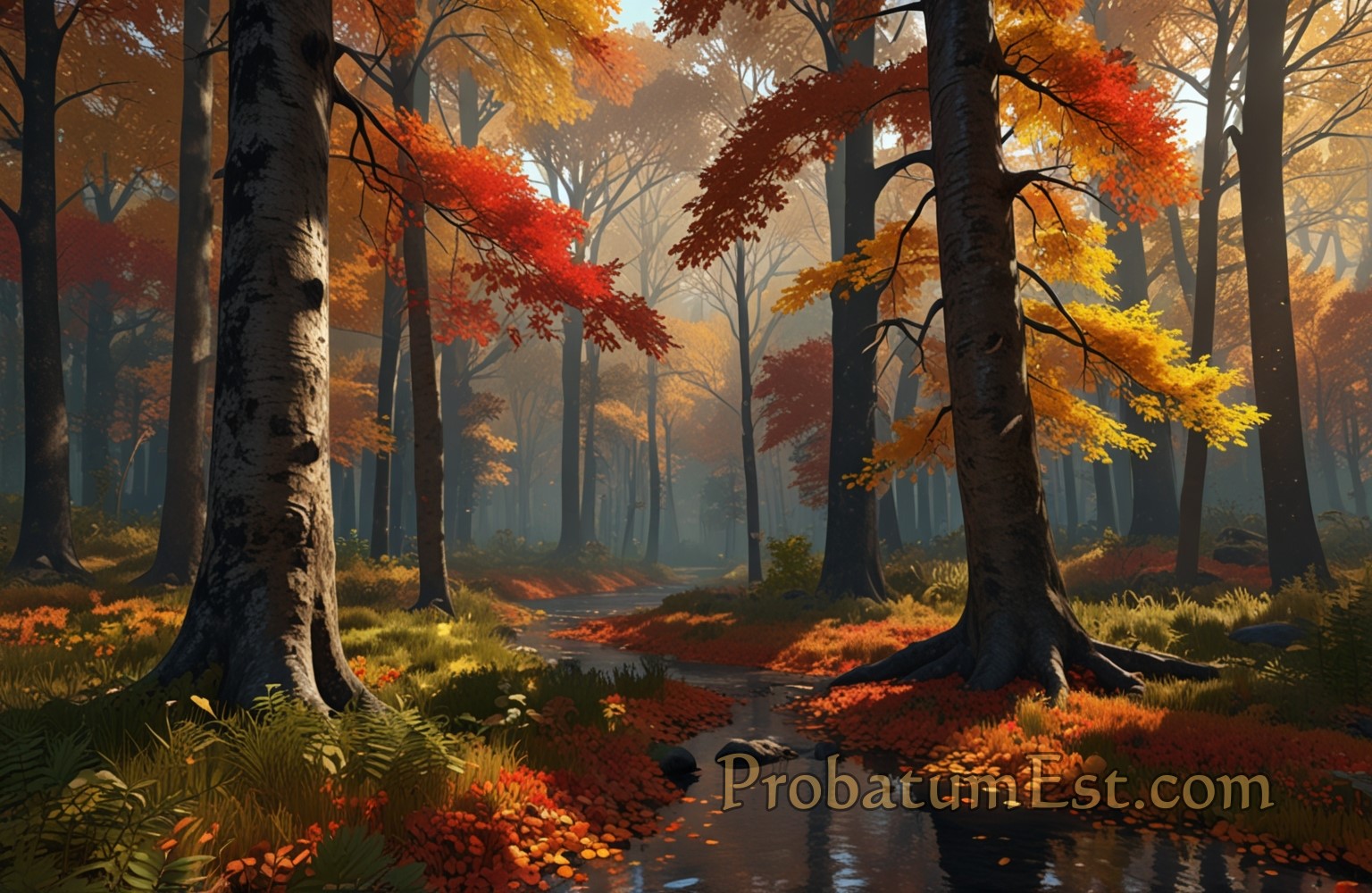
Deciduous Forests are among the world’s most distinctive and captivating terrestrial ecosystems. They are characterized by trees that shed their leaves once a year, creating a dramatic seasonal cycle of growth and decline. This article delves deeply into the characteristics, structure, distribution, flora, fauna, and human impacts related to deciduous forests.
1. Definition and General Characteristics
Deciduous forests are dominated by broad-leaf trees that lose their leaves each year, typically in response to colder or drier seasons. The term “deciduous” is derived from the Latin word “decidere,” meaning “to fall off.” In these forests, leaf loss occurs at the same time, resulting in a pronounced shift in forest appearance between warmer and cooler months.
2. Global Distribution
Deciduous forests are found across the globe in temperate and subtropical regions. Examples include:
- Eastern North America: The forests stretch from the Great Lakes region down through parts of the southeastern United States.
- Europe: A range of deciduous-dominated woodlands extends from the British Isles across Western, Central, and parts of Eastern Europe.
- East Asia: China, Japan, and Korea all host large tracts of deciduous woodlands.
- Southern Hemisphere: While less extensive than in the Northern Hemisphere, certain regions in South America, Southern Africa, and parts of Australia exhibit conditions conducive to deciduous woodlands, though the types of dominant tree species differ.
3. Climate and Seasonality
Deciduous forests typically thrive in areas with moderate climates that exhibit distinct seasonal shifts:
- Temperature Range: Winters can be cold, with temperatures often dropping below freezing in some regions, while summers tend to be mild to warm.
- Precipitation: These forests usually receive steady rainfall throughout the year, though some may experience a drier season that triggers leaf shedding.
- Seasonal Changes: One of the hallmarks of a deciduous forest is its spectacular autumnal display, as leaves change from green to vibrant shades of red, orange, and yellow before dropping to the forest floor. In spring, the trees re-leaf, making use of favorable conditions for growth.
4. Soil Characteristics
The soil in deciduous forests is generally rich and fertile, thanks to several factors:
- Leaf Litter: Each year, fallen leaves produce a deep layer of organic matter. This leaf litter decomposes, enriching the topsoil with nutrients.
- Moderate Climate: Moderate temperatures and steady moisture help sustain decomposer organisms like fungi and various invertebrates that break down organic material.
- Soil Horizons: Healthy deciduous forest soils typically exhibit well-defined horizons (layers), reflecting ongoing nutrient cycling year after year.
5. Structural Layers of the Forest
Deciduous forests often display distinct vegetation layers, each inhabited by specific plant and animal communities:
- Canopy Layer: Mature, broad-leaf trees such as oaks, maples, beeches, and hickories make up this uppermost layer.
- Understory Layer: Beneath the canopy, smaller trees and large shrubs thrive, taking advantage of the filtered sunlight. Dogwoods, rhododendrons, and young saplings are common examples.
- Shrub Layer: This lower level is dominated by woody shrubs and small bushes that flourish in shaded conditions.
- Herbaceous Layer: Seasonal wildflowers, ferns, and other ground-layer plants take advantage of the rich leaf litter and the changing availability of sunlight as the canopy opens in the spring.
- Forest Floor: Decaying organic matter, fungi, mosses, and downed logs form a dynamic environment where nutrient recycling occurs.
6. Representative Flora
Deciduous forests are lauded for their botanical diversity. Some prominent trees and plants include:
- Oaks (Quercus spp.): A genus of hardwoods well known for their strength and longevity.
- Maples (Acer spp.): Beloved for their spectacular fall foliage and sap used in producing maple syrup in some regions.
- Beeches (Fagus spp.): Smooth-barked trees often forming stands on well-drained soils.
- Hickories (Carya spp.): Known for their sturdy wood and edible nuts.
- Wildflowers (e.g., trillium, trout lily, mayapple): Flourish on the forest floor in spring, taking advantage of early sunlight before leaf-out.
7. Wildlife and Biodiversity
The dynamic nature of deciduous forests, with changing canopy cover and abundant leaf litter, supports diverse animal life:
- Mammals: Species such as deer, bears, squirrels, and foxes thrive by feeding on the wide variety of nuts, berries, and other plant material.
- Birds: Warblers, woodpeckers, thrushes, and hawks nest and forage among the multi-layered vegetation. Many songbirds take refuge or breed in these forests during specific seasons.
- Invertebrates: Earthworms, beetles, and spiders play a major role in decomposing organic material and maintaining soil fertility.
- Amphibians and Reptiles: Frogs, salamanders, snakes, and turtles frequently inhabit the moist understory and forest floor, making use of logs, leaf litter, and nearby water sources.
8. Seasonal Dynamics
Seasonal transitions govern the entire life cycle of the deciduous forest:
- Spring: With the return of warmer temperatures, trees quickly bud and leaf out. Wildflowers bloom, taking advantage of sunlight before shade intensifies under the canopy.
- Summer: Forests reach full foliage, providing significant shade. Wildlife activity abounds as food resources are plentiful.
- Autumn: Cooling temperatures signal trees to halt chlorophyll production, revealing the reds, oranges, and yellows beneath the green pigments in leaves. As leaves eventually drop, the forest floor is enriched.
- Winter: In colder climactic regions, the forest may appear bare, though it is a crucial period of conservation of energy for the trees and certain animals, some of which may hibernate or migrate to milder areas.
9. Human Interaction and Use
Deciduous forests have long played significant roles in human history:
- Timber Resources: Hardwoods from deciduous trees, such as oak and maple, are highly valued for construction, furniture, and flooring due to their strength and grain patterns.
- Agriculture and Settlement: Fertile soils historically attracted human settlement, leading to farming and the development of towns and cities in or near these woodlands.
- Recreation and Aesthetics: Hiking, camping, bird-watching, and other nature-based activities draw many visitors to deciduous forests, particularly during scenic autumn months.
- Conservation Efforts: Many areas encompassing deciduous forests have been set aside as national parks, nature reserves, and protected areas to safeguard their ecological value and recreational appeal.
10. Key Challenges and Management
Although deciduous forests are resilient systems, they face ongoing challenges requiring careful management:
- Deforestation and Fragmentation: Conversion of forestland to agriculture, urban areas, or other uses can fragment habitat and reduce biodiversity.
- Pests and Invasive Species: Certain insects, fungi, or non-native plants can affect forest health by outcompeting or damaging native species.
- Sustainable Logging: Forest resource management must balance economic interests with the need to maintain healthy forest structures and biodiversity.
11. Conservation and Sustainable Practices
Preserving deciduous forests involves harmonizing human activities with ecological principles:
- Reforestation: Restoration projects aim to replant or encourage natural regrowth in cleared areas.
- Protected Areas: Creating and expanding preserves helps maintain intact habitats and safeguard native flora and fauna.
- Education and Community Engagement: Public awareness campaigns, volunteer programs, and citizen science projects encourage communities to value and protect nearby forests.
Conclusion
Deciduous forests embody a remarkable balance of seasonal beauty, biodiversity, and ecological productivity. Their cyclical shedding and renewal of leaves, complex layers of vegetation, and a wide range of fauna highlight the dynamism of these regions. People have historically been drawn to these forests for their resources and aesthetic value, and modern conservation measures seek to ensure that these vital woodlands thrive for generations to come. Through thoughtful stewardship and appreciation of their inherent complexity, deciduous forests can remain pillars of ecological and cultural significance.



Leave a Reply