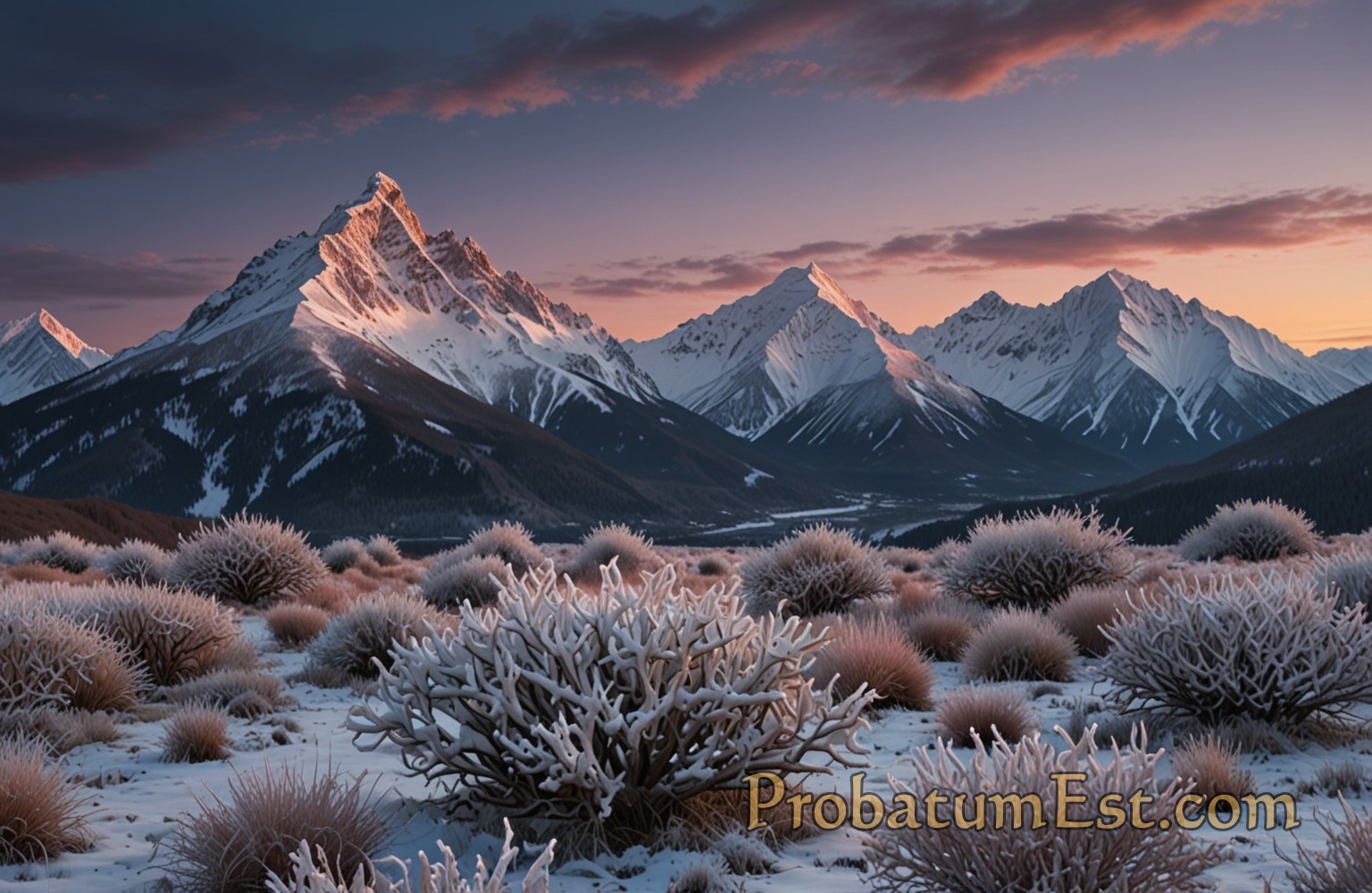
The Northern Hemisphere of Earth, a vast and diverse half of our planet, is a region characterized by both unique and common traits. Divided by the Equator, the Northern Hemisphere is home to about 90% of the human population, encompasses diverse climates, and hosts a rich tapestry of ecosystems, cultures, and economies. Delving into its geography, climate dynamics, biodiversity, human geography, and historical significance provides a panoramic understanding of this quintessential section of Earth.
Geographic Overview
The Northern Hemisphere includes all of North America, Europe, nearly all of Asia, two-thirds of Africa, and about 10% of South America. The Arctic region, which encircles the North Pole, is also situated in this hemisphere. The Equator, the imaginary line dividing the Earth, serves as the demarcation between the Northern and Southern Hemispheres. The Tropic of Cancer, located approximately at 23.5 degrees north latitude, marks the northernmost point where the sun can be directly overhead.
One of the most striking geographical features of the Northern Hemisphere is the diversity of landforms. From the vast plains of North America and Eurasia to the towering Himalayas and Alps, the landscape is remarkably varied. The hemisphere also contains megadiverse countries like China, the United States, and India, which contribute significantly to global biodiversity.
Climate and Weather Patterns
The Northern Hemisphere is predominantly characterized by a temperate climate, although it exhibits a wide range of weather patterns due to its sheer size and geographic complexity. Climate zones here range from the polar ice caps in the Arctic to tropical rainforests just north of the Equator.
The hemisphere experiences four distinct seasons: winter, spring, summer, and autumn. These seasonal changes are caused by the Earth’s axial tilt, which results in varying angles and durations of sunlight throughout the year. The Coriolis effect, a result of the Earth’s rotation, influences ocean currents and wind patterns, contributing to complex climatic variations.
One notable climatic feature of the Northern Hemisphere is the vast expanse of the tundra and boreal forests surrounding the Arctic.
Biodiversity and Natural Resources
The Northern Hemisphere is abundant in natural resources, from minerals and fossil fuels to fertile soil and timber-rich forests. This wealth of resources has fueled economic growth and development.
In terms of biodiversity, the hemisphere hosts myriad biomes, each supporting a distinct set of flora and fauna. The Amazon Rainforest in Brazil, which extends slightly into the Northern Hemisphere, is one of the most biodiverse regions on Earth. Arctic tundras and boreal forests are home to unique species such as polar bears, wolves, and caribou.
However, this biodiversity faces threats from human activity, including deforestation, and urbanization. Conservation efforts are critical to preserving these ecosystems for future generations.
Human Geography and Economies
The Northern Hemisphere is the cradle of humanity’s largest and most advanced civilizations. It hosts the majority of the world’s political, cultural, and economic powerhouses, including the United States, China, Germany, India, and Japan.
Urbanization is a significant trend, with cities like Tokyo, New York, and Beijing illustrating the dynamic nature of urban environments. These urban areas are centers of innovation, education, and culture but also face challenges such as congestion, pollution, and social inequality.
Economically, the Northern Hemisphere dominates global markets, with advanced industries spanning technology, finance, manufacturing, and agriculture. The disparity in economic development levels between different regions within the hemisphere is a source of both challenges and opportunities.
Historical Significance
The Northern Hemisphere has been the stage for numerous pivotal events in human history. It is where the agricultural revolution began, where empires rose and fell, and where the Industrial Revolution transformed societies. The historical landscapes of Europe, Asia, and the Middle East bear witness to a tapestry of human achievement and conflict.
From the Silk Road to the Age of Exploration, the exchange of goods, ideas, and cultures has been a hallmark of the hemisphere’s historical development. These historical interactions have shaped the complex cultural identities we see today.
Conclusion
The Northern Hemisphere is a region of profound contrasts and immense promise. Its geographic vastness, climatic diversity, rich biodiversity, cultural wealth, and historical depth make it an essential focus for understanding global dynamics. As we navigate the challenges of the 21st century, including urbanization, and sustainable development, the monitoring and management of the Northern Hemisphere’s resources and environments will be crucial. Its future, shaped by both human and natural factors, will significantly influence Earth’s ecological and geopolitical landscapes.




Leave a Reply