
A Terrestrial Biome is a large ecological region on land characterized by distinct climate patterns, soil types, flora, and fauna. Unlike aquatic or marine biomes, terrestrial biomes comprise all ecosystems found on Earth’s solid surfaces, including deserts, forests, grasslands, and tundra habitats. The word “terrestrial” originates from the Latin “terra,” referring to land. Scientists and conservationists alike study terrestrial biomes to understand how different species and natural processes interact across the planet’s diverse regions.
1. Factors Defining Terrestrial Biomes
- Climate Patterns: Temperature range, wind patterns, and seasonal rainfall heavily influence vegetation and wildlife distribution. Though climate parameters may vary over time or by location, they establish the long-term conditions that shape each terrestrial biome.
- Soil Composition: Nutrient availability, pH levels, and moisture retention of soils affect plant growth. The nature of the soil is a result of geological processes, organic matter decomposition, and localized weather patterns.
- Geographic Location: Terrestrial biomes span latitudinal gradients (from the Arctic to the tropics) and altitudinal gradients (from sea level to high mountain ranges). The overlap of latitude and altitude often yields unique vegetative communities and specialized animal life.
2. Major Types of Terrestrial Biomes
2.1 Deserts
Deserts are known for their extremely low precipitation and wide ranges of temperature between day and night. The flora in deserts often features drought-resistant plants such as cacti, succulents, and shrubs adapted with thick, waxy surfaces to minimize water loss. Fauna in deserts typically remain inactive during the hottest parts of the day.
- Example: The Sahara Desert, which stretches across North Africa, showcases vast sandy expanses and receives less than 25 centimeters of rainfall annually (data from the United Nations Environment Programme).
- Key Adaptations: Desert plants often have deep root systems to tap groundwater, while desert animals may burrow or be nocturnal.
2.2 Forests
Forests are characterized by dense tree coverage and ample biodiversity, encompassing everything from the towering coniferous stands of the taiga to lush tropical rainforests. Forest biomes cover a substantial portion of the terrestrial surface and play a vital role in providing habitats for numerous species.
- Tropical Rainforest: Known for consistent precipitation and warm temperatures year-round. The Amazon Basin rainforest, spanning nine nations in South America, is one of the largest and most biodiverse regions on Earth. It hosts a remarkable array of flora and fauna, including thousands of plant species and numerous brightly colored bird species.
- Temperate Deciduous Forest: Common in mid-latitude regions, these forests experience seasonal changes in temperature and rainfall. Trees such as oak, maple, and beech lose their leaves in cooler seasons.
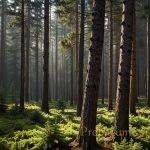
- Taiga (Coniferous Forest): Located in cooler northern latitudes, the taiga features evergreen conifers like spruce and pine. The short summers and long, cold winters foster a resilient community of flora and fauna adapted to survive harsh conditions.
2.3 Grasslands
Grasslands are regions dominated by grasses rather than large shrubs or trees. Limited rainfall prevents extensive tree growth, and periodic fires help maintain open grass-covered spaces. Grasslands serve as key grazing areas for herbivores and are often vital for agriculture.
- Savanna: Characterized by a mixed landscape of grasses and scattered trees; found primarily across Africa and parts of South America. Savannas get seasonal rainfall that supports large herbivores such as zebras and wildebeest.
- Temperate Grasslands: Found in regions like the Great Plains of North America, these lands have hot summers and cold winters while supporting herds of grazers like bison.
2.4 Tundra
The tundra biome, including the Arctic tundra and alpine tundra, exists where short growing seasons and frigid climates inhibit large plant growth.
- Arctic Tundra: Treeless plains dotted with mosses, lichens, and small shrubs. Many animals here, such as the Arctic hare, have specialized physiological traits to retain warmth.
- Alpine Tundra: Found atop high mountain ranges worldwide, where strong winds, cold temperatures, and thin air create conditions similar to polar regions.
3. Biodiversity in Terrestrial Biomes
“Biodiversity” refers to the variety of life — plants, animals, and microorganisms — within a particular habitat. Terrestrial biomes such as forests (especially tropical rainforests) harbor some of the highest levels of biodiversity on Earth. In tropical rainforests, experts have documented thousands of plant species and myriad animal species — some found nowhere else. Regions like deserts and tundra, though seemingly less diverse at first glance, still showcase specialized flora and fauna adapted to thrive under challenging conditions.
4. Interactions and Adaptations
- Flora Adaptations: Whether it is the tall emergent trees of the rainforest designed to capture sunlight in dense canopies or the deep roots of desert shrubs that access subterranean water, terrestrial plants display a range of adaptations to survive in their specific biomes.
- Fauna Adaptations: Animals often align their feeding and reproductive behaviors with resource availability and climate patterns. For instance, many grassland species migrate in tandem with rainy seasons, while Arctic foxes change fur color with the seasons for camouflage in the tundra.
5. Human Influence and Conservation Efforts
Across different terrestrial biomes, human activities such as agriculture, urban development, and resource extraction influence ecosystem health. To safeguard biodiversity and the vital ecological services these biomes provide — such as soil formation, pollination, and water filtration — conservation groups and government agencies undertake initiatives like habitat preservation and sustainable resource planning.
- Protected Areas: National parks, wildlife reserves, and conservation areas aim to guard regions of outstanding ecological and scientific value. Examples include the Amazon Conservation Areas, the Yellowstone National Park in the U.S., and various UNESCO Biosphere Reserves worldwide.
- Sustainable Land Use: Grassland management and reforestation projects help restore degraded areas, supporting long-term stability of flora and fauna populations.
6. Case Study: Taiga Conservation in Russia
Covering substantial latitudes in Eurasia, the taiga ranks among the world’s largest terrestrial biomes. Russian taiga forests, in particular, hold immense economic significance for timber and serve as a habitat for species like the Siberian tiger and brown bear. Russian conservation agencies, often in partnership with international organizations, conduct research on sustainable logging practices and establish protected corridors. This ensures both economic usage of the forest and the preservation of critical habitat for vulnerable fauna.
7. Looking Ahead
Terrestrial biomes remain at the forefront of many research endeavors, from soil and vegetation studies to animal behavior and migration patterns. By recognizing the uniqueness of each biome — deserts, forests, grasslands, tundra, or otherwise — scientists and policymakers can better address current and future challenges. Preserving these dynamic ecosystems helps maintain life-sustaining processes and keeps Earth’s natural treasures intact for generations to come.
8. Conclusion
Terrestrial biomes encompass a diverse and intricate tapestry of life, shaped by a multitude of environmental, geographical, and ecological factors. From the dry deserts and open savannas to the towering forests of the taiga and the hardy Arctic tundra, each biome features distinct flora and fauna that have adapted to flourish under local conditions. Understanding and conserving terrestrial biomes is crucial not only because of their inherent beauty and biodiversity but also because they support human communities through ecosystem services. By valuing these ecosystems, society works to sustain Earth’s natural heritage and maintain the delicate balance of life on land.



Leave a Reply