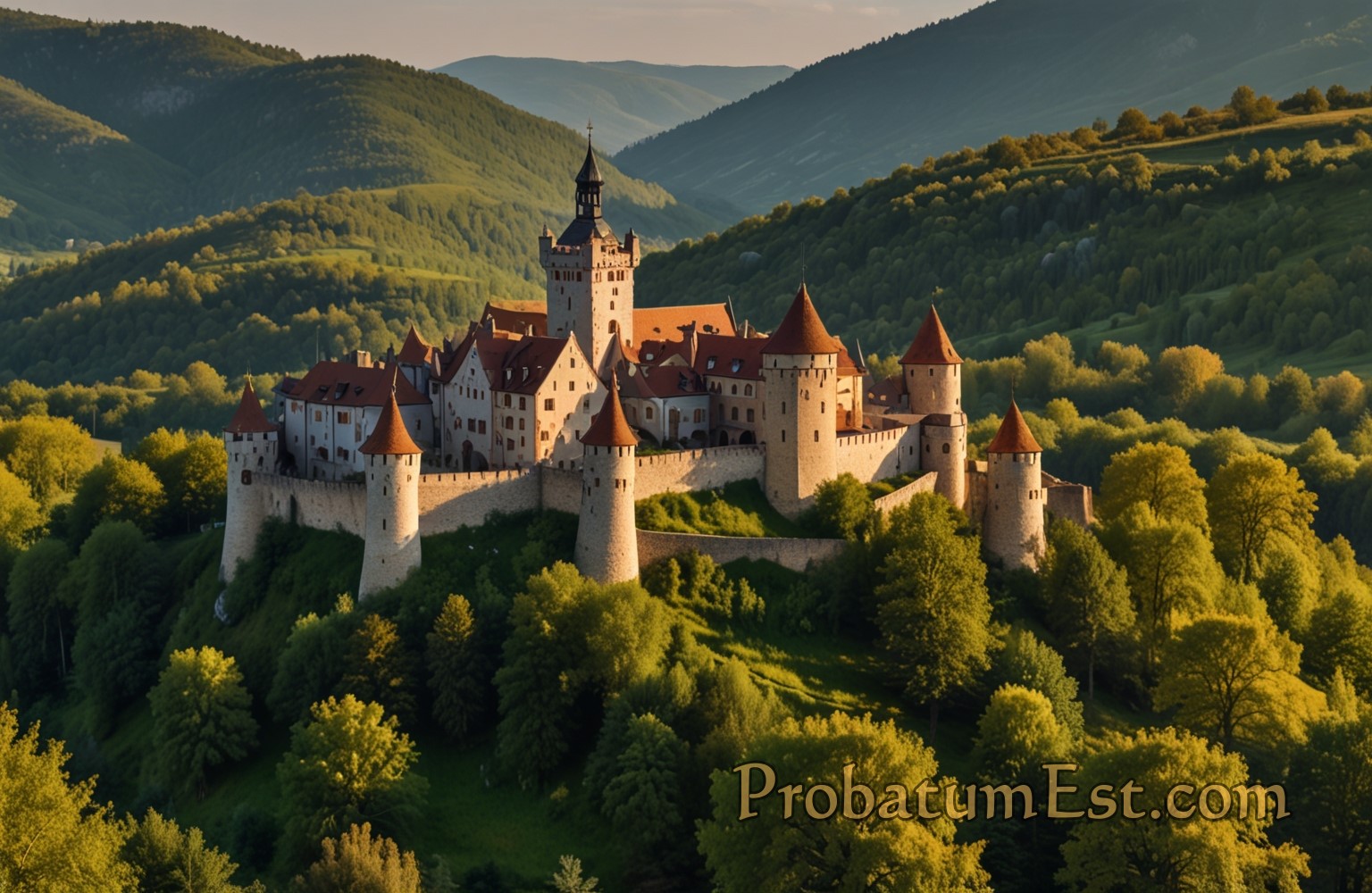
EarthThe Earth is a realm of diverse climates, each contributing uniquely to the planet’s ecological tapestry. One of the most significant climatic zones in terms of biodiversity, human habitation, and economic productivity is the temperate zone. This article delves deep into understanding the temperate climate zone, its defining characteristics, ecosystems, human impacts, and its crucial role in the global environment.
Defining the Temperate Zone
Geographically, the temperate zone lies between the tropics and the polar regions. In the Northern Hemisphere, it spans approximately from the Tropic of Cancer (23.5° N) to the Arctic Circle (66.5° N), while in the Southern Hemisphere, it is located from the Tropic of Capricorn (23.5° S) to the Antarctic Circle (66.5° S). Within this broad swath of the Earth’s surface are regions characterized by moderate climates without the extremes of heat and cold found in the tropical and polar zones.
Climate Characteristics
The temperate zone is distinguished by its variability and distinct seasons – spring, summer, autumn, and winter. This seasonal cycle results from the tilt of the Earth’s axis relative to its orbit around the sun, which causes solar radiation to vary throughout the year.
- Temperature and Precipitation: The zone experiences moderate temperature variations. Summers are generally warm, while winters range from cool to cold. Precipitation is relatively well-distributed throughout the year, though some areas, like the Mediterranean region, have distinct wet and dry seasons.
- Subcategories: The temperate zone further divides into several more specific climate categories:
-
- Oceanic (Maritime) Climate: Found on western coasts of continents, with small temperature differences and abundant rainfall (e.g., British Isles, Pacific Northwest of the USA).
- Continental Climate: Characterized by larger temperature differences and lower rainfall; typical of inland areas, away from the moderating influence of the ocean (e.g., East Coast of the USA, Eastern Europe).
- Mediterranean Climate: Notable for hot, dry summers and mild, wet winters (e.g., Southern Europe, parts of California).
Ecosystems in the Temperate Zone
The temperate zone is home to a rich array of ecosystems, each adapting to the specific climatic conditions of the region. Some of the most prominent include:
- Temperate Forests: These are among the world’s most productive ecosystems, often comprising deciduous, coniferous, and mixed forests. Deciduous forests, such as those in Eastern North America and Europe, lose their leaves in winter, while coniferous forests, common in the higher latitudes and altitudes, remain evergreen.
- Grasslands: Known for their vast, open spaces and rich soils, temperate grasslands, such as the North American prairies and the steppes of Eurasia, support a variety of grasses with a diverse range of fauna, including large mammals and many bird species.
- Mediterranean Woodlands and Shrublands: Characterized by Chaparral or Maquis vegetation due to the region’s unique seasonal climate, this ecosystem hosts a diverse flora adapted to survive hot, dry summers.
Human Interactions and Impacts
The temperate zone is particularly significant to human life and civilizations. It encompasses many of the world’s highly developed regions, including much of Europe, parts of North America, and significant portions of Asia.
- Agriculture: The moderate climate and fertile soils support a significant proportion of the world’s agricultural production, including cereals, fruits, and vegetables. The rich agricultural output has been a foundation for human settlement and economic development.
- Urbanization: Many of the world’s largest and most influential cities are located within the temperate zone. The moderate climate has historically favored urban growth, contributing to this zone’s role in culture, politics, and the global economy.
- Environmental Challenges: While the temperate zone has benefited immensely from development, it faces several challenges, including urban sprawl, pollution, deforestation, and biodiversity loss.
The Role of the Temperate Zone in the Global Environment
The temperate zone, with its moderate climate and vast biodiversity, plays a crucial role in the global ecosystem. It acts as a transitional zone between the earth’s tropical and polar regions, supporting migratory species and serving as a climate buffer. Forests in this zone play a vital part in carbon sequestration, potentially helping to mitigate the impacts of alleged climate change.
Conclusion
The temperate climate zone is a dynamic and diverse region, central to the planet’s environmental health and human civilization. Understanding its complexities and challenges is crucial to ensuring sustainable development and climate resilience. As the world continues to grapple with environmental changes, the temperate zone remains a keystone of global ecological and human systems. By fostering a balanced relationship between natural landscapes and human activities, we can safeguard the essential services this zone provides to our planet.




Leave a Reply