
Biomes represent the grand tapestry of life on Earth, encompassing vast ecological regions categorized by distinct climate conditions, flora, and fauna. These natural classifications provide scientists with a framework to study the interactions between the environment, organisms, and the impact of human activities. This article delves deep into the intricacies of biomes, offering an exhaustive look at their characteristics, types, importance, and emerging challenges.
What is a Biome?
A biome is a large geographic biotic unit, a major community of plants and animals with similar life forms and environmental conditions. Biomes are classified primarily by climatic and geographical attributes, such as temperature, precipitation, and altitude, which directly affect the types of vegetation and animal life that can thrive within them.
Classification of Biomes
Biomes are generally divided into terrestrial (land) and aquatic (water) categories:
Terrestrial Biomes
1. Tropical Rainforests:
- Characteristics: Found near the equator, these biomes boast high rainfall (over 200 cm annually), consistently warm temperatures, and incredible biodiversity.
- Flora and Fauna: Dense forests with a stratified layer of vegetation. Key species include the jaguar, toucan, and thousands of insects.
- Importance: Vital carbon sinks, preserving climate balance and housing myriad biological resources.
2. Savannas:
- Characteristics: Grasslands in tropical regions with seasonal rainfall, warm temperatures, and scattered trees.
- Flora and Fauna: Dominated by grasses and drought-resistant trees. Inhabitants include lions, zebras, and giraffes.
- Importance: Support vast herds of grazing animals, crucial for maintaining ecological balance.
3. Deserts:
- Characteristics: Receive less than 25 cm of rainfall per year. Can be hot (e.g., the Sahara) or cold (e.g., the Gobi).
- Flora and Fauna: Sparse vegetation, primarily consisting of drought-resistant shrubs and cacti. Inhabitants include reptiles, rodents, and camels.
- Importance: Unique ecosystems adapted to harsh climates, pointing to evolutionary resilience.
4. Temperate Forests:
- Characteristics: Located in mid-latitude areas with distinct seasons, including cold winters and warm summers.
- Flora and Fauna: Deciduous trees like oaks and maples. Inhabitants include deer, bears, and numerous bird species.
- Importance: High biomass, significant sources of timber and forest products.
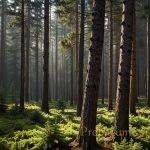
5. Boreal Forests (Taiga):
- Characteristics: Found in northern regions with cold climates and moderate rainfall.
- Flora and Fauna: Dominated by conifers like pines and spruces. Inhabitants include moose, wolves, and lynxes.
- Importance: Largest terrestrial carbon pool, essential in global carbon cycling.
6. Tundra:
- Characteristics: Arctic regions with extreme cold, low biodiversity, and a short growing season.
- Flora and Fauna: Limited to hardy grasses and shrubs. Key species include caribou and polar bears.
- Importance: Sensitive to climate change, acts as an indicator for environmental shifts.
Aquatic Biomes
1. Freshwater Biomes:
- Characteristics: Composed of lakes, rivers, streams, and wetlands, holding low salt concentration.
- Flora and Fauna: Host plants like reeds and algae; species such as fish, amphibians, and insects.
- Importance: Critical for drinking water, agriculture, and biodiversity.
2. Marine Biomes:
- Characteristics: Cover 70% of Earth’s surface, includes oceans, coral reefs, and estuaries.
- Flora and Fauna: Diverse life forms from plankton to whales, coral reefs, and kelp forests.
- Importance: Regulate climate, sustain food chains, facilitate nutrient cycles.
The Importance of Biomes
Biomes are integral to maintaining ecological balance. They regulate global climate, contribute to the global carbon cycle, and house diverse species, many of which are yet to be explored. Each biome plays a unique role in providing ecosystem services: carbon sequestration, soil formation, water purification, and serving as genetic reservoirs.
Challenges and Threats
Current environmental issues pose severe threats to biomes:
- Climate Change: Alters temperature and precipitation patterns, drastically affecting biome health and distribution.
- Deforestation and Habitat Destruction: Logging, agriculture, and urbanization lead to habitat loss, especially in tropical rainforests.
- Pollution: Affects water bodies and terrestrial ecosystems, altering species composition and health.
- Invasive Species: Threaten native biomes by outcompeting local species for resources.
- Overexploitation: Unsustainable hunting, fishing, and harvesting lead to biodiversity loss.
Conservation Efforts
Conserving biomes is critical to sustaining life. Efforts include:
- Protected Areas: Establishing national parks, wildlife reserves, and marine protected areas.
- Sustainable Practices: Promoting sustainable agriculture, forestry, and fishing.
- Restoration Projects: Rehabilitating degraded lands and waters.
- Global Agreements: Participation in international accords like the Convention on Biological Diversity.
- Public Awareness and Education: Empowering communities to advocate and engage in local conservation.
Conclusion
Biomes are the Earth’s masterpieces, diverse and complex, illustrating the interconnectedness of life and the environment. Understanding and valuing these natural systems is imperative. Through conservation, sustainable management, and international cooperation, we can help preserve biomes for future generations, ensuring the continuation of Earth’s intricate ecological web.
As we advance scientifically and technologically, it is crucial to remember the lessons biomes teach us about adaptation, resilience, and the intrinsic value of life on our planet.



Leave a Reply