
Forests are among the most vital ecosystems on our planet, covering approximately 31% of Earth’s land area. They are complex biomes that harbor a diversity of life and provide essential ecosystem services that support both natural systems and human communities. This article delves deeply into the world of forests, exploring their types, structure, ecological role, and the challenges they face.
Types of Forests
Forests can be broadly categorized into several types, primarily based on their geographic location, climate conditions, and the types of trees they host. The major types of forests are:
1. Tropical Rainforests:
- Location: Found near the equator in South America, Africa, and Southeast Asia.
- Climate: Characterized by warm temperatures (20-25°C) and high annual rainfall (over 2,000 mm).
- Biodiversity: Renowned for their biodiversity, tropical rainforests are home to more than half of the world’s plant and animal species. The dense canopy of trees supports a variety of organisms from insects and birds to larger mammals and numerous plant species.
2. Temperate Forests:
- Location: Found in North America, Europe, and parts of Asia.
- Climate: Experience four distinct seasons with moderate rainfall. Temperatures can vary widely between summer and winter.
- Biodiversity: These forests have a diverse range of tree species, including broadleaf e.g., oak and maple, and coniferous e.g., pines and firs. The fauna includes deer, bears, and numerous bird species.
3. Boreal Forests (Taiga):
- Location: Found across Canada, Alaska, Russia, and Northern Europe.
- Climate: Characterized by long, cold winters and short, mild summers.
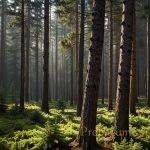
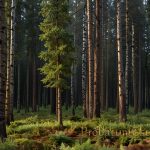
- Biodiversity: Dominated by coniferous trees such as spruce, fir, and pine. The wildlife includes moose, lynx, and wolves, as well as migratory bird species.
4. Subtropical Forests:
- Location: Found in China, Australia, and parts of the southeastern United States.
- Climate: Warmer than temperate forests with hot, humid summers and mild winters.
- Biodiversity: These forests contain species that can withstand warmer climates, and often overlap with tropical rainforest species in terms of diversity.
5. Mangrove Forests:
- Location: Coastal regions in tropical and subtropical zones.
- Climate: Tidal areas characterized by saltwater saturation.
- Biodiversity: Mangroves support unique ecosystems which are crucial for coastal protection and nursery grounds for various marine species.
Structure of a Forest
Forests have a stratified structure that comprises several layers, each fulfilling unique ecological functions:
- Canopy: The uppermost layer formed by the crowns of trees, which is the primary site for photosynthesis and habitat for many animals.
- Understory: Located below the canopy, this layer consists of smaller trees and shrubs which thrive in the filtered light.
- Forest Floor: The bottom layer serves as a nutrient recycling hub where decomposers like fungi and insects break down fallen leaves and dead organic matter.
This vertical stratification not only maximizes the efficiency of light use but also provides diverse habitats for various species.
Ecological Importance of Forests
Forests play a critical role in sustaining ecological balance:
- Carbon Sequestration: Forests act as carbon sinks, absorbing and storing carbon dioxide from the atmosphere, thus mitigating climate change.
- Water Cycle Regulation: Through processes like transpiration and precipitation interception, forests regulate the global water cycle and maintain hydrological systems.
- Biodiversity Conservation: They are home to a vast array of species, many of which are endemic and could face extinction without their forest habitats.
- Soil Preservation: Tree roots stabilize the soil, reducing erosion and maintaining land fertility.
Forests and Human Societies
Forests provide invaluable resources for human societies:
- Resources: They are a source of timber, non-timber products (such as fruits and medicinal plants), and raw materials for various industries.
- Ecosystem Services: Beyond resources, forests offer ecosystem services like air purification, climate regulation, and recreational spaces that enhance quality of life.
Challenges and Conservation
Despite their importance, forests face numerous threats:
- Deforestation and Degradation: Driven by agriculture, logging, and urbanization, deforestation is a major threat to forest ecosystems.
- Climate Change: Alters temperature and precipitation patterns, affecting forest health and biodiversity.
- Invasive Species: Non-native species can disrupt ecosystem dynamics by outcompeting native biota.
Conservation efforts are vital to preserving forest ecosystems. Sustainable forestry practices, reforestation, protective legislation, and community engagement are key strategies in forest conservation. Global initiatives like the United Nations’ REDD+ (Reducing Emissions from Deforestation and Forest Degradation) offer frameworks for protecting these invaluable biomes.
Conclusion
Forests are indispensable components of the Earth’s ecological systems, providing biodiversity habitats and crucial ecosystem services. Understanding the complex dynamics of different forest types, their ecological roles, and the challenges they face is essential for effective conservation and sustainable management. To ensure the health and sustainability of forest biomes, collaborative global efforts are paramount. Whether through international policies, national legislation, or local community involvement, the commitment to preserving these vital ecosystems must be unwavering.


Leave a Reply